09/02/25
Cineworld, Edinburgh
Written, co-produced and directed by Mohammad Rasoulof, The Seed of the Sacred Fig is a monumental achievement, filmed in secret to avoid censorship by Iran’s Ministry of Culture and Islamic Guidance, which restricts depictions of social issues, criticism of the regime – and female hair. When this movie was selected for the 2024 Cannes Film Festival, Rasoulof was sentenced to eight years in jail, as well as a flogging and a fine. He fled to Germany, a perilous escape. And he’s not the only one: almost all of the actors have had to leave their homeland too. Only Soheila Golestani remains in Iran, where she has faced numerous interrogations and is currently banned from either working or leaving the country.
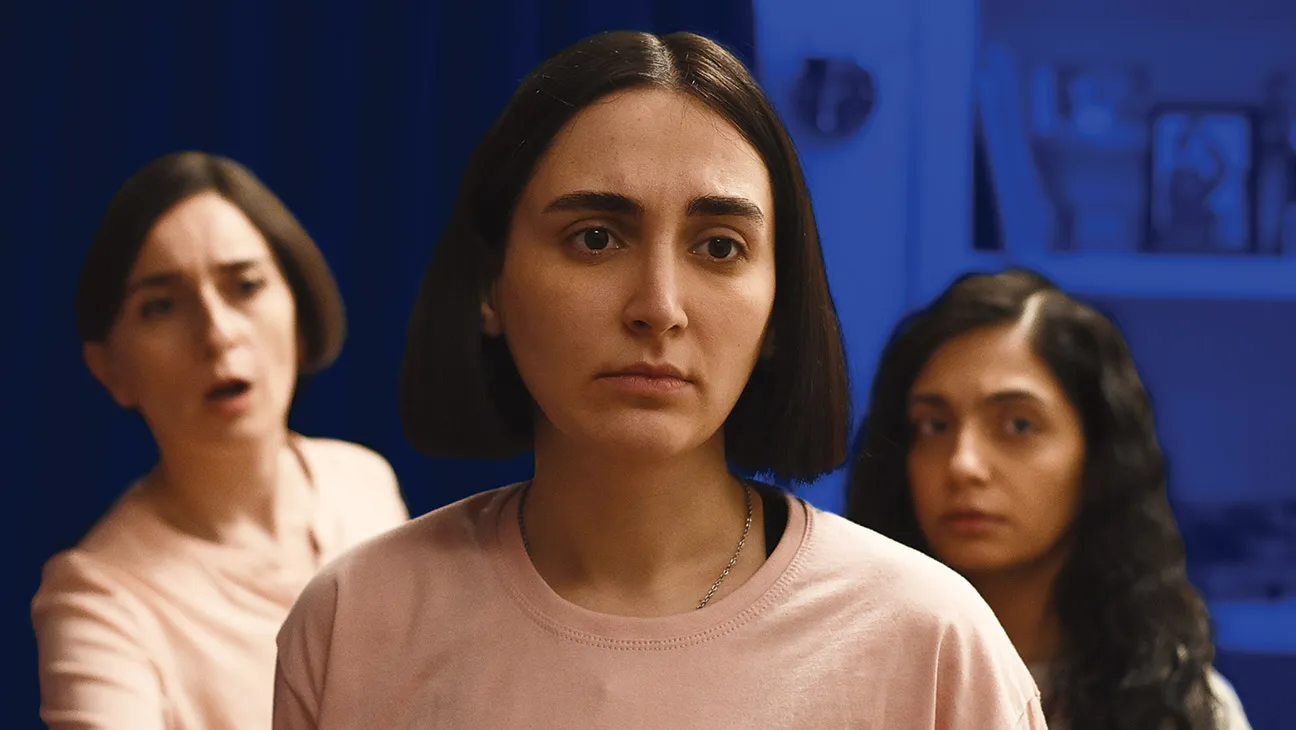
Golestani plays Najmeh, mother to college student Rezvan (Mahsa Rostami) and teenage schoolgirl Sana (Setareh Maleki). The story opens with the news that her husband, Iman (Missagh Zareh), has been promoted to the prestigious role of ‘investigator’ for the revolutionary courts. The family’s celebrations are tinged with foreboding, as Iman warns his daughters that they need to be careful. They can’t tell anyone about his work, they can’t post pictures of themselves on social media, and their behaviour must be beyond reproach. ‘Investigators’, we learn, are tasked with deciding which criminals should face the death penalty – and there’s an inherent danger from those seeking revenge. Alone in their bedroom, Iman shows Najmeh the gun his boss has given him. “For protection,” he says. She’s terrified.
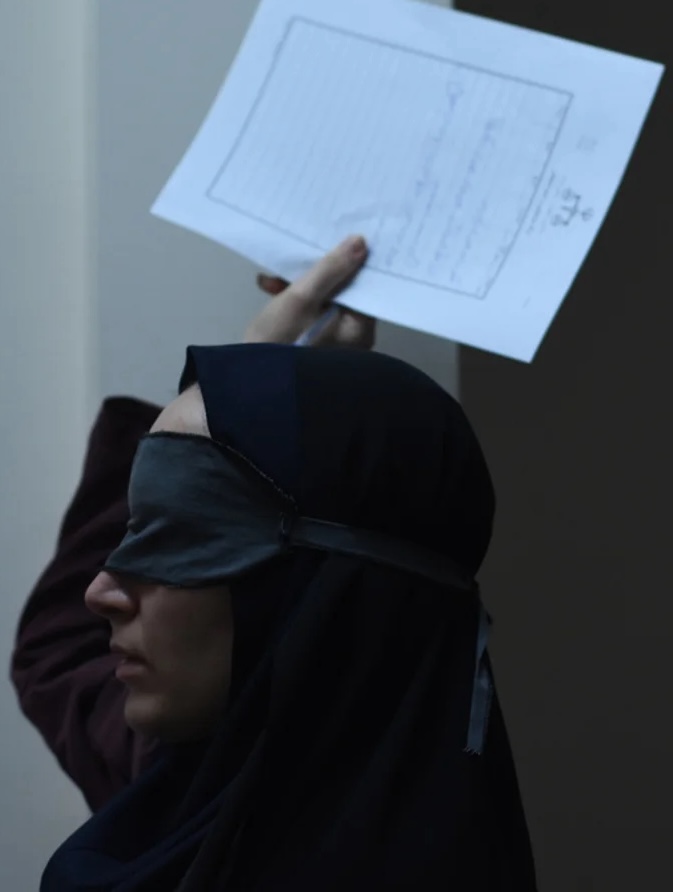
The timing could hardly be worse. The fictional Iman’s promotion coincides with the real-life Mahsa Amini’s death in police custody, after being arrested for contravening morality laws (i.e. refusing to wear a hijab). As angry young protestors flood the streets, demanding change, the government responds in force. Suddenly, Iman is coerced into signing hundreds of death warrants every day. It takes its toll, especially as he soon finds himself at odds with his outspoken daughters.
The family functions as a microcosm for Iranian society. Iman represents the government, whose strictures Najmeh accepts and therefore perpetuates. Rezvan agrees with the protestors, but she’s passive and obedient, and doesn’t dare to act. Sana, on the other hand, has no such compunctions: she wants her freedom and she’s ready to do whatever it takes.
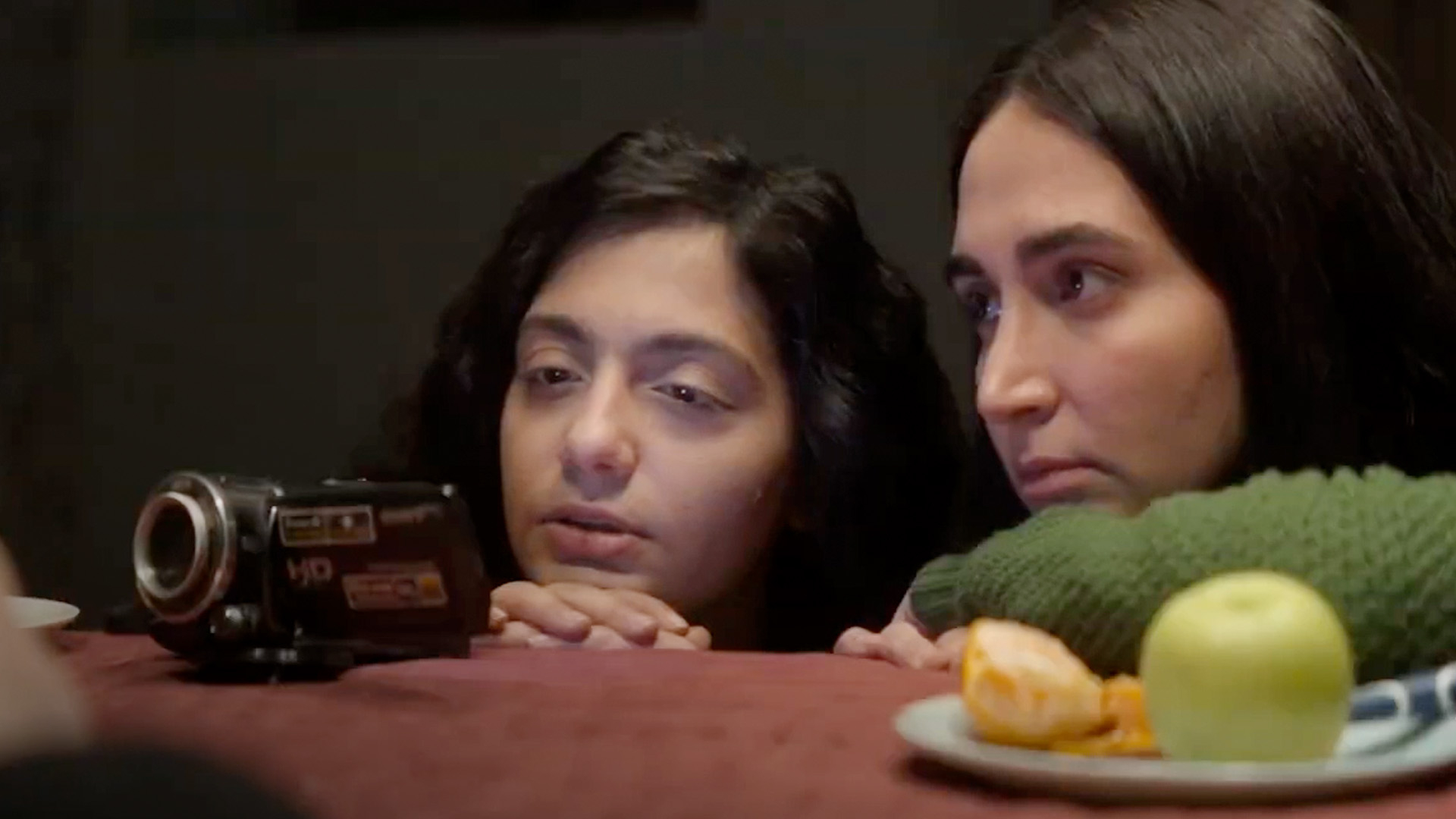
And then Iman’s gun goes missing. He knows that only three people have had the opportunity to take it, and so he subjects his family to a terrifying interrogation, illuminating the allegorical nature of the title. Just as the sacred fig is a parasitic plant, which grows around and eventually strangles its host, so the regime corrupts Iman. By the end, its tendrils have destroyed him, and the honourable, loving man he used to be is completely gone.
This isn’t a perfect movie, but it’s a mightily impressive one: the mind boggles at the thought of the bravery it must take to participate in something so important and with such high stakes. The almost three-hour running time gallops by, and I am completely invested in the family’s drama, while also learning more about Iranian politics. The four main actors are all utterly compelling, their characters entirely credible, even in the final act, where the plot is more figurative than literal, and everything spirals out of control.
The Seed of the Sacred Fig has been nominated for the best international feature Oscar (albeit representing Germany and not Iran) and I sincerely hope it wins. According to Rasoulof, the Iranian authorities won’t announce verdicts on those members of his cast and crew who stand accused of “spreading immorality and propaganda” until the result is announced. They don’t want the adverse publicity.
As art, as protest, as an act of courage, this is a film you don’t want to miss.
4.8 stars
Susan Singfield
 Bouquets & Brickbats