23/03/25
Cineworld, Edinburgh
We managed to catch nearly all of this year’s Oscar nominated films at the cinema before (or shortly after) the event, but news that the widely-admired The Wild Robot hadn’t taken the gong for ‘best animation’ came as something of a surprise. Only a few minutes into Flow, which is finally on general release, that surprise is quickly annihilated. I often think that the word ‘masterpiece’ is overused but this groundbreaking animation by Latvian director Glints Zilbalodis is so accomplished, it’s all-too easy to see why it was handed the top award. The fact that it was made for a budget of three-million dollars – utilising free software package, Blender – only adds to the accomplishment.
Zilbalodis – who co-wrote the story with Matiss Kaza and Ron Dyens – eschews any of the long-established tropes we’ve come to expect from this genre. There are no talking animals voiced by well-known actors, the creatures that make up the cast can only miaow, bark, screech and grunt at each other and yet, somehow, that all adds to the wonder of the thing. The influences on the verdant look of this strange new world are more Miyazaki than Disney. Much of what I see on the big screen is quite simply breath-taking.
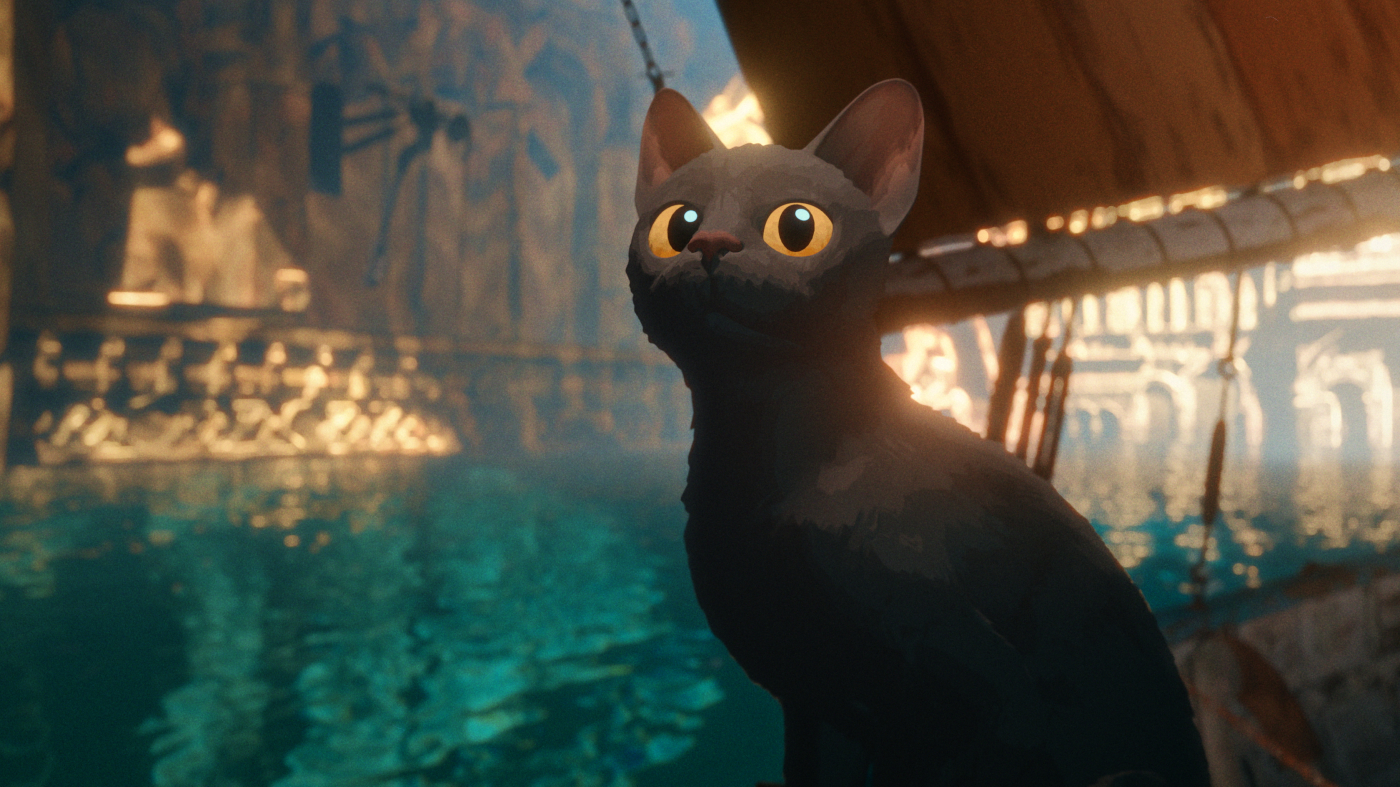
We’re somewhere in the near future and, while initially the world looks intact, there’s no sign of any humans, other than their empty houses and the everyday things they’ve left behind. Our hero is a black cat, who wanders across the countyside engaged in a never-ending search for food. He has a run-in with a pack of dogs, one of them an affable-looking golden retriever, but the confrontation is rudely interrupted by the arrival of a herd of fleeing deer. This is followed by a sudden and unexplained tsunami, a biblical flood that sets water levels rising at a terrifying speed.
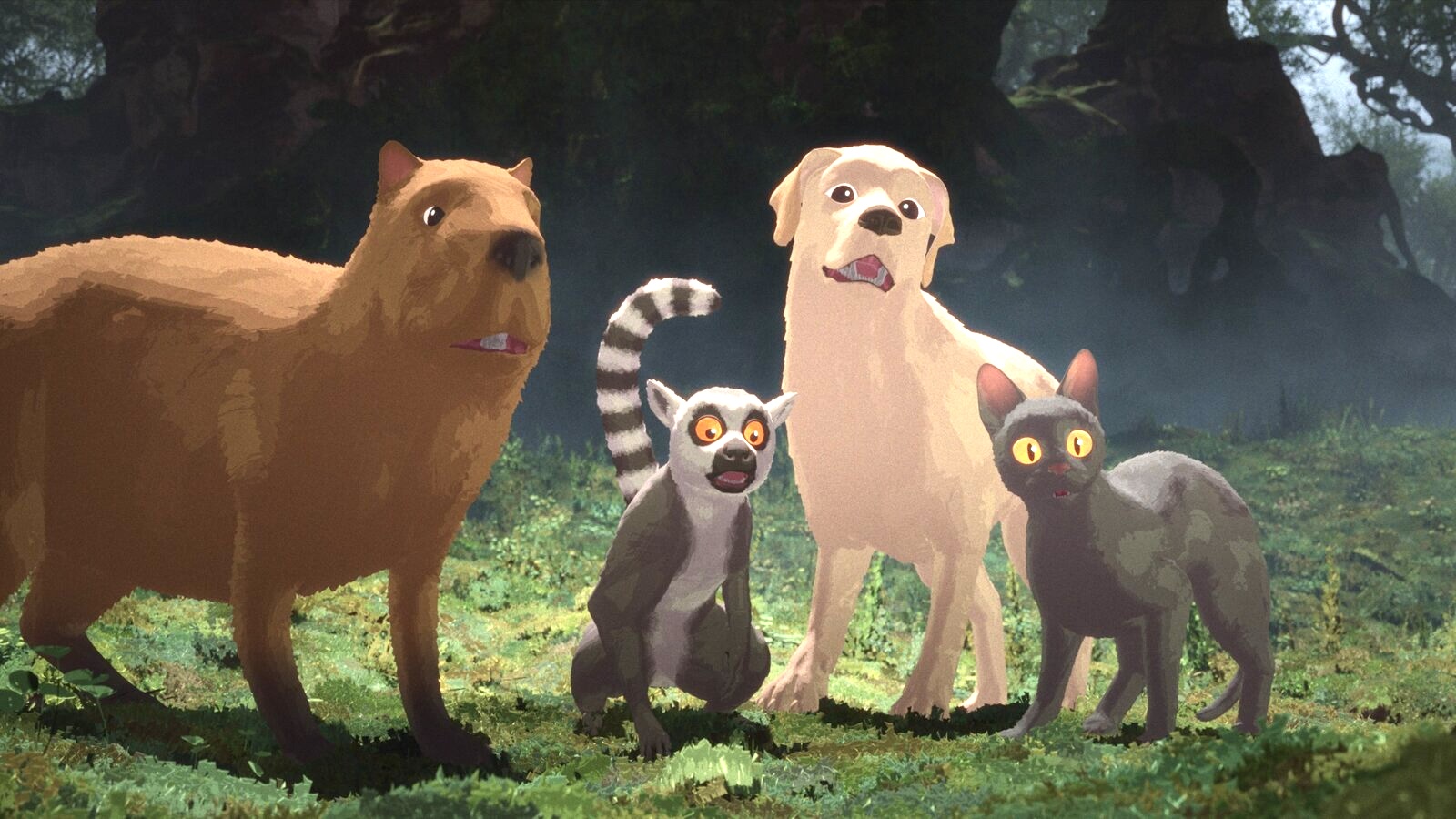
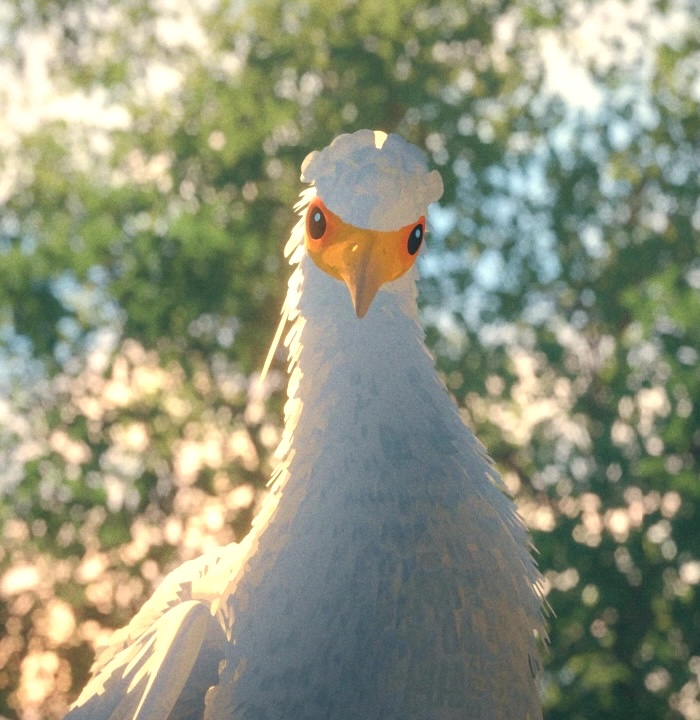
The cat is lucky enough to encounter a sailboat drifting on the torrent but, once aboard, he finds it is already occupied by a capybara; though the two creatures have nothing in common, they quickly learn to co-exist. It’s not long before they are joined by the aforementioned retriever, an acquisitive lemur and a lanky secretary bird, who – it turns out – is pretty good at steering boats. Together they sail onwards, heading now towards a mysterious range of peaks on the far horizon. But what’s waiting for them there?
Flow is a great big allegory wrapped up in an enigma, one that fairly bristles with references. Climate crisis? Right there. Biblical references? Yup, you’ve got them – and not just Noah’s Ark. Allusions to death and what happens when creatures confront it? Oh, yes. It’s probably worth mentioning that there’s a lot of peril in this U certificate story and that some of its strands may not be suitable for younger viewers. While there’s no real violence to speak of, there is evidence of nature red in tooth and claw, so parents should think carefully before taking their smaller offspring along.
For older children and grown-ups, there’s a wonderful feast of viewing to be had, backed by soaring electronic music – composed by Zilbalodis (is there no end to this man’s talents?) with Rihards Zaļupe. Afterwards, there are great discussions to be had about all the different themes touched on by this ambitious, inspired, and sometimes downright challenging story.
It took five years to create Flow – and I’m already looking forward to exploring wherever Zilbalodis takes me next.
5 stars
Philip Caveney
 Bouquets & Brickbats