Nia DaCosta

28 Years Later: The Bone Temple

15/01/2026

Cineworld, Edinburgh

The ’28 Years’ trilogy moves confidently into its second act, with Danny Boyle handing the directorial reins to Nia DaCosta. She rises to the challenge with her customary zeal and delivers a film that, for my money, comes close to equalling its predecessor. This time out there’s less emphasis on the blood and mayhem and more on the interplay between characters. Gore-hounds may complain they’ve been short-changed but, ironically, there’s still enough spine-ripping and brain-munching to ensure that this episode earns itself an 18 certificate. Young actor Alfie Williams is, once again, unable to officially attend the film’s premiere. (He was thirteen for the last one’s 15 classification.)

Did he get a private viewing? I hope so.

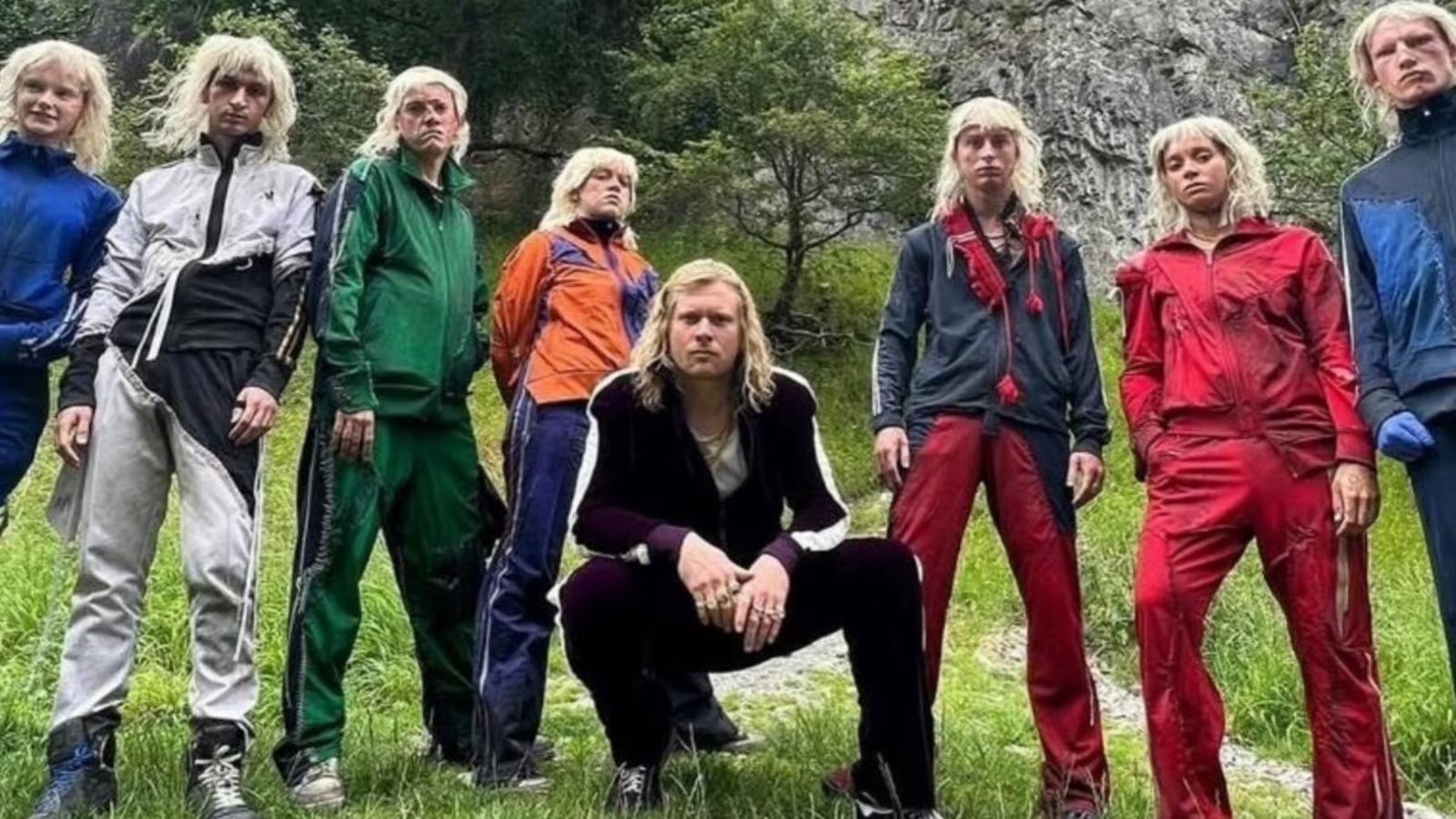
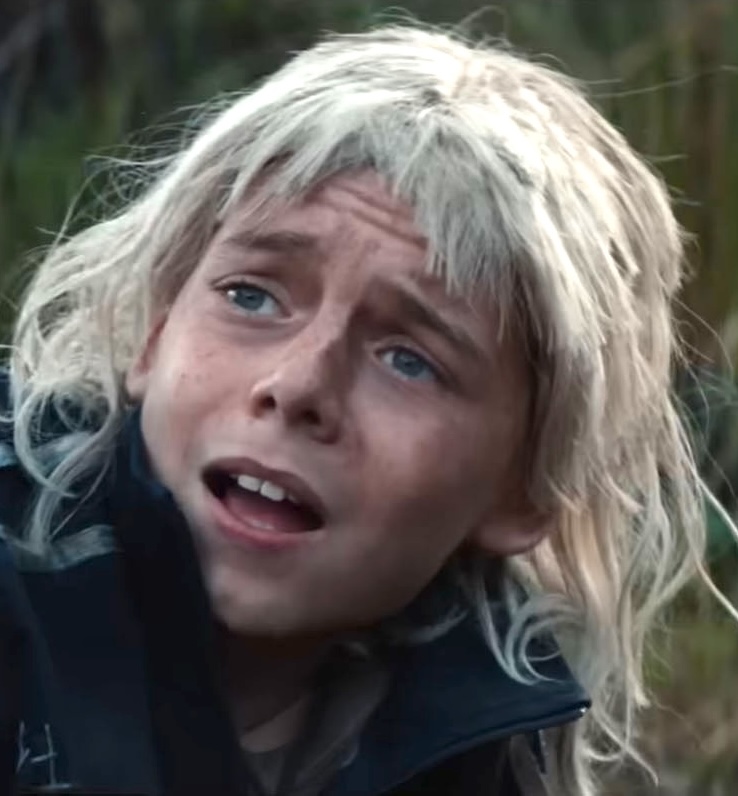
We pick up pretty much where we left off with Alfie (Williams) now a captive of ‘The Jimmys,’ the track-suited, blonde-bewigged followers of Sir Lord Jimmy Crystal (a malevolent Jack O’Connell, sporting a pretty convincing Scottish accent). Alfie soon learns that, if he wishes to remain alive, he’s going to have to fight for his place in the gang and, once a member, somehow embrace the heinous cruelty that Crystal likes to inflict on anyone he encounters – including, if the mood takes him, his own followers. Luckily, one of the gang, Jimmy Ink (Erin Kellyman), seems to have taken a sisterly shine to Alfie.

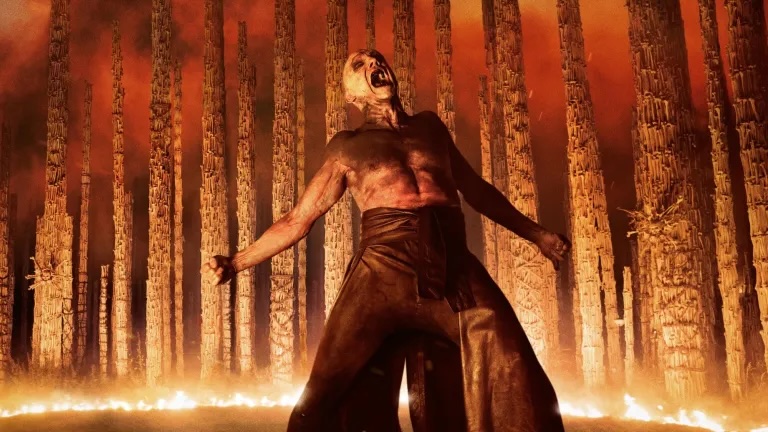
Meanwhile, Dr Ian Kelson (Ralph Fiennes) continues his gruesome work in the titular temple, with particular emphasis on trying to develop his growing ‘friendship’ with Samson (Chi Lewis-Parry), an infected Alpha. Kelson is attempting to tame the angry giant with regular doses of morphine, applied via a strategically-aimed blowpipe. Could it be that these experiments are leading Kelson tantalisingly closer to finding a cure for the deadly infection that has overtaken the world? More bafflingly, why is he listening to so much Duran Duran?

If the two main story strands are frankly bonkers, they nonetheless make for riveting viewing. DaCosta’s strong visual style combines with Alex Garland’s storytelling and the powerful music of Hildur Guǒnadóttir, to exert an almost hypnotic spell. There are kinetic action sequences, some astutely-handled flashbacks (Samson’s recollections of a childhood experience on a crowded train is particularly powerful), and Fiennes’ outrageous climactic dance routine, backed by Iron Maiden’s The Number of the Beast, is something I never expected to see – a slice of pure theatre writ large on a cinema screen. I also respond strongly to the film’s obsession with religion and the way that Kelson cleverly uses it to his own advantage.

And then, just when you think it’s all over, we’re treated to a short coda which neatly flips the whole concept back to its origins and reintroduces a character I had pretty much given up hope of ever seeing again – all of which ensures that I leave the cinema already looking forward to part three.

Job done. Bring it on.

4.6 stars

Philip Caveney
Candyman

05/09/21

Cineworld

Horror remakes can be decidedly tricky customers. Like those endless Halloween sequels, for instance, they can turn out to be pale retreads of a brilliant original. I have good memories of Bernard Rose’s 1992 Candyman, which was so much more than just another creepy slasher movie. That said, I’m also uncomfortably aware it had its own slew of inferior sequels, so I’m not exactly filled with anticipation at the prospect of Candyman 2021. But, with Jordan Peele attached as producer, I’m hopeful that this new offering from director Nia DaCosta might have something different to offer.

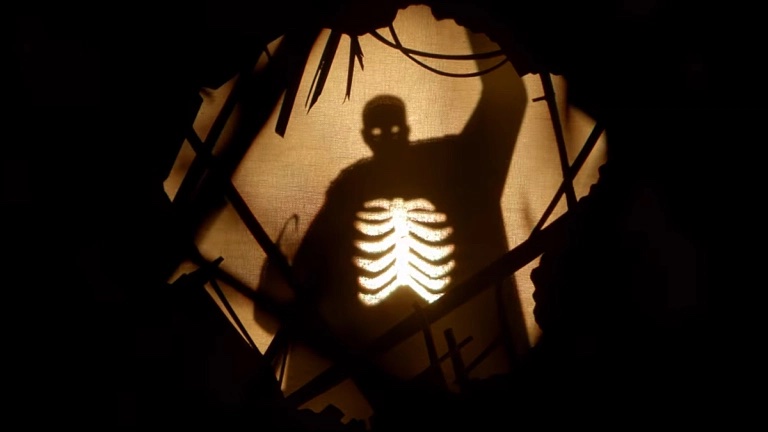
It’s clear from the get-go that this is intended to be more than just a straightforward reboot. For one thing, the opening credits (even the Universal logo) are reversed left to right, as though reflected in a mirror – a delightful reference to the film’s central premise – and then the startlingly stylistic cinematography takes a grip on my senses, aided and abetted by delightful shadow-puppet sequences, depicting the history of the film’s infamous urban legend. There’s also a powerful ‘black lives matter’ subtext running through this version. Some critics have derided it, claiming that it is hammered home a little too forcefully, but I disagree. The message is an important one and it’s clearly stated. It adds to, rather than reduces, the power of the story. And that has to be a good thing, right?

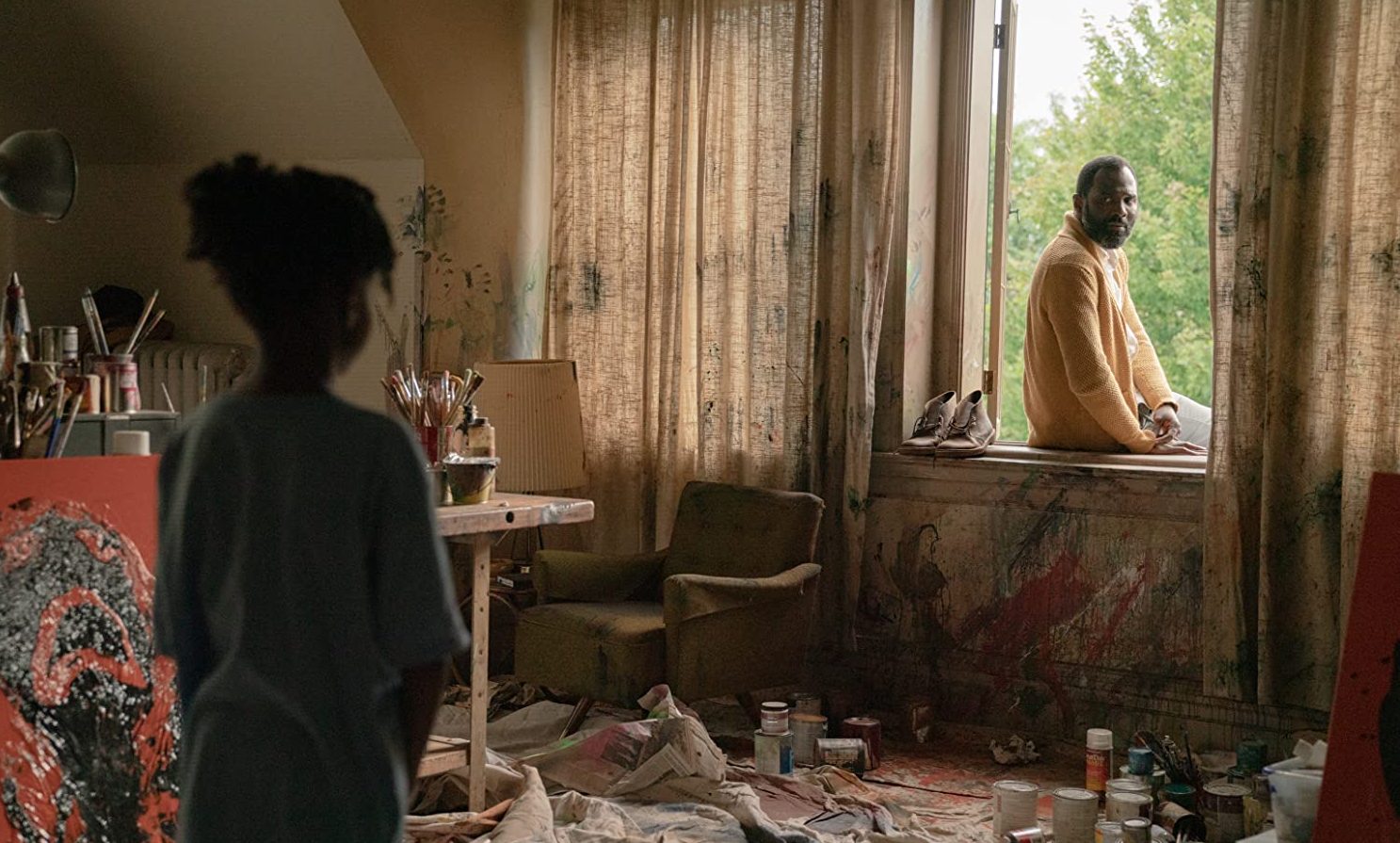
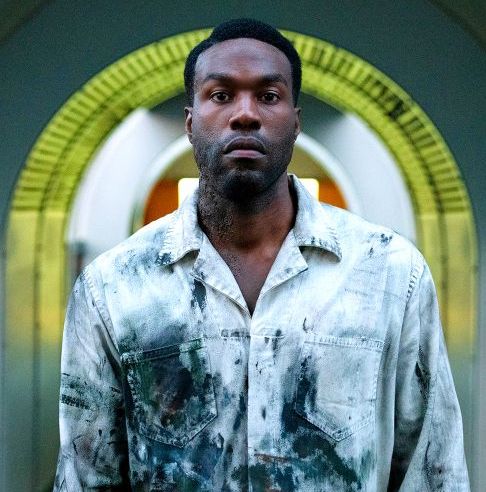
Twenty-seven years after the events of the first film, visual artist Anthony McCoy (Yahya Abdul-Mateen II) is living in a swish high-rise apartment in the area of Chicago that borders the old Cabrini Green housing project where the original Candyman strutted his grisly stuff. This part of the city has been gentrified over the years and now, Anthony and his art-dealer partner, Brianna (Teyonah Parris), spend their time sipping expensive wine and attending flashy art exhibitions. But Anthony has lost his painting mojo. It’s been some time since he came up with anything new.

When Brianna’s younger brother, Troy (Nathan Stewart-Jarrett), tells him about an old urban legend, Anthony is interested enough to wander into Cabrini Green with a camera, looking for inspiration. It’s there that he meets William Burke (Colman Domingo), who tells him more about the story of the Candyman. And it’s there too that Anthony is stung by a bee and begins to experience some startling reactions to the venom…

Cinematographer John Guleserian creates a world where everything seems inverted. The sinister glass towers of Anthony’s home are depicted upside down as though plunging into sinister depths, rather than reaching for the sky. Much of the ensuing action is glimpsed via reflections in mirrored surfaces – and one sequence where an art critic is murdered in her high rise apartment, filmed in a distanced silent long shot actually makes me gasp. I have been made to feel like a helpless observer. The film doesn’t shy away from its slasher roots either. There are some genuinely wince-inducing murders and a couple of instances of extreme body horror that almost have me looking away from the screen. But the violence, though savage, never feels salacious – and DaCosta has the canny knack of knowing exactly when to cut away from the action.

Ultimately, this feels like a palpable win, a film that treats the original with reverence but also manages to develop the story in coherent and inventive ways. The stylish art direction adds a dazzling sheen to the whole enterprise. There’s also a wonderful joke in here that provides, once and for all, the definitive answer to an age old question: ‘Why do people in horror movies go wandering down staircases into dark and gloomy cellars?’ I won’t reveal what happens but, in the midst of all the dread, it actually makes me laugh out loud.

There will always be reboots of popular horror movies and many of them won’t be worth the price of admission. But this one, I feel, is a cut above.

4.6 stars

Philip Caveney