03/03/26
Filmhouse, Edinburgh
Watching The Testament of Ann Lee I find myself, once again, in the uncanny valley of the true story that seems so mind-bogglingly unlikely, I start to ask myself if the ‘facts’ might have been tampered with for entertainment value. But no, it only takes a swift Google after the viewing to establish that Ann Lee really did do all the things that are depicted here. She was the founder of The Shakers – and, if your knowledge of this mysterious religion extends only to the rather fancy furnishings they left in their wake, join the club.
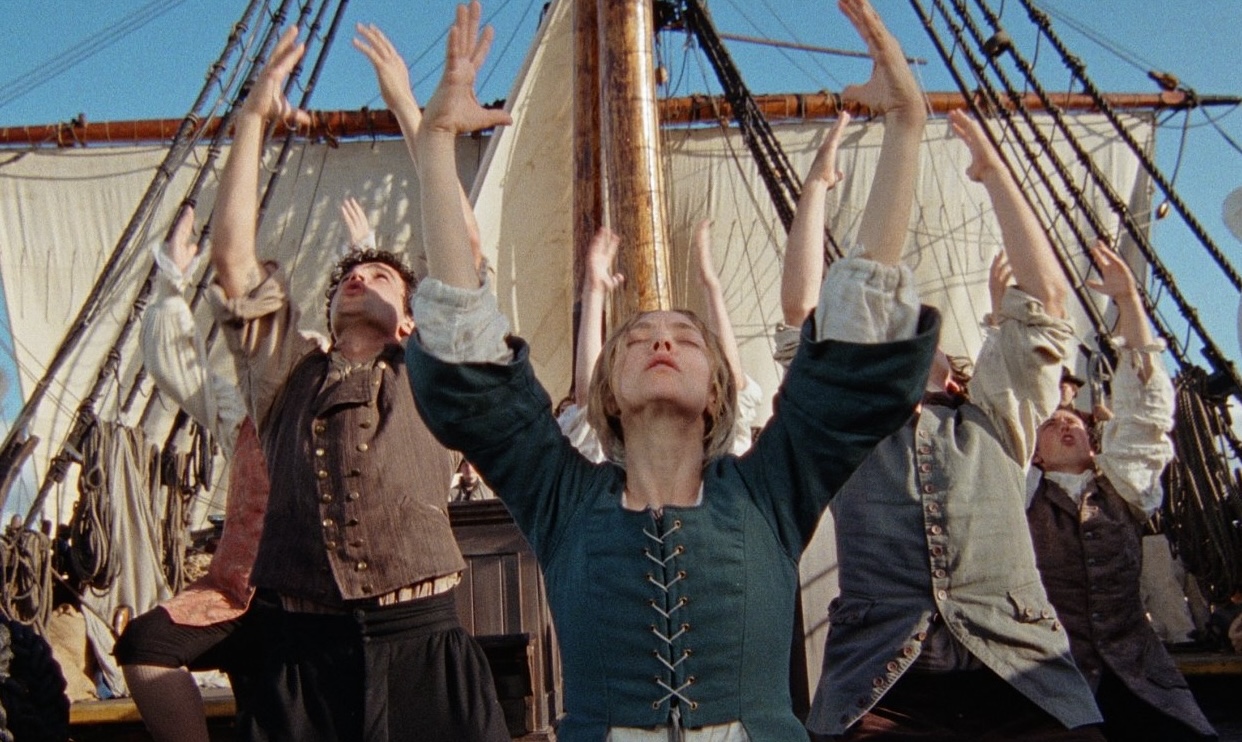
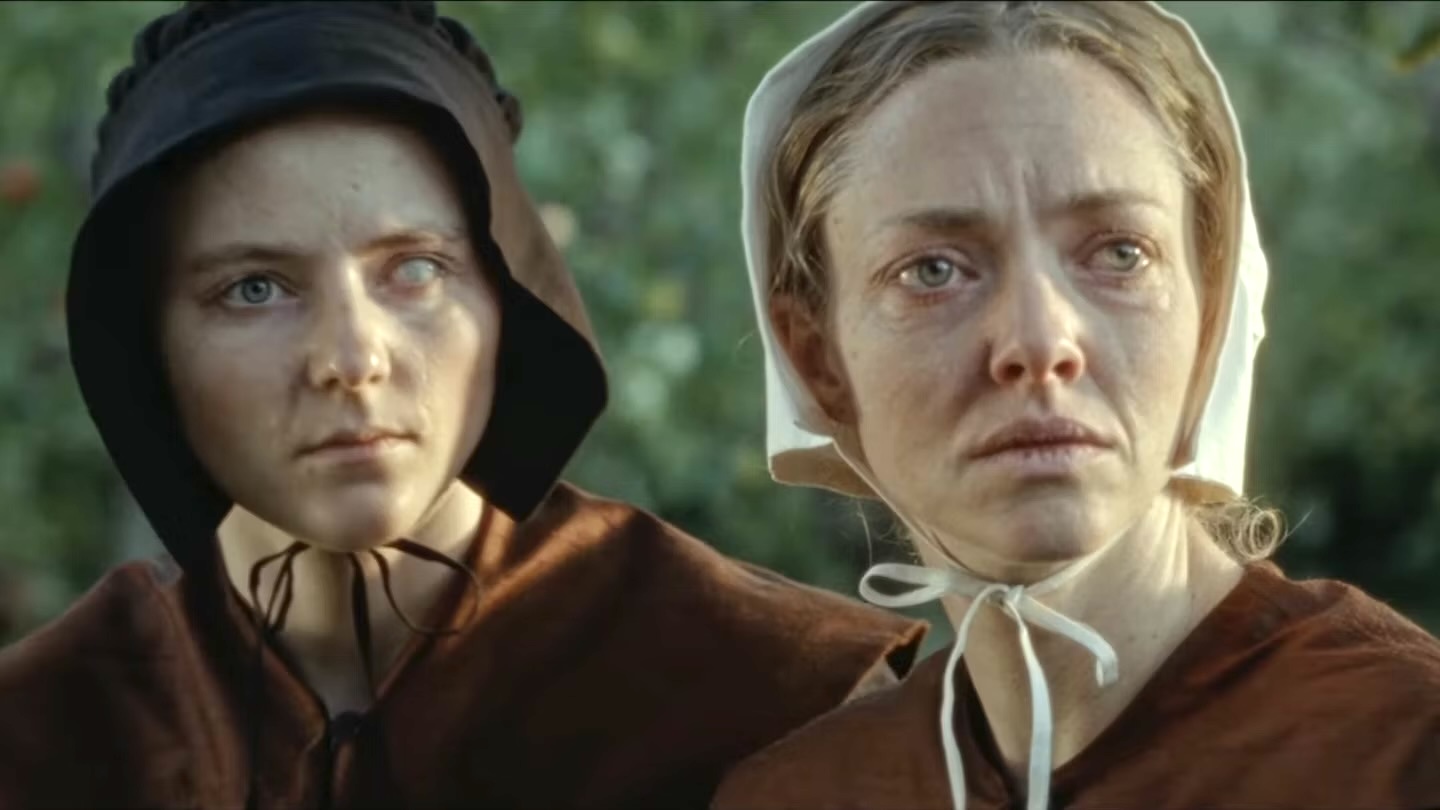
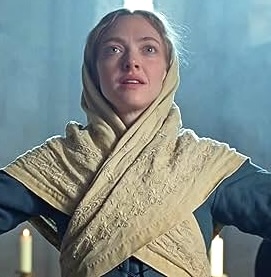
Directed by Mona Fastvold and co-written with Brady Corbet (director of The Brutalist), TTOAL is a great big sprawling narrative about the titular Ann (Amanda Seyfried), narrated by her sister, Mary (Thomasin McKenzie). It follows Ann from her humble childhood in Manchester, through her ill-fated marriage to Abraham (Christopher Abbott), and on to her ambitious pilgrimage to America where, accompanied by her tireless brother, William (Lewis Pullman), she establishes a religion on the premise that she is the reincarnation of God in female form. As you do.
It’s clear, when viewed through a modern lens, that Ann’s beliefs are founded upon a mixture of depression after losing four children in their infancy and her subsequent conviction that sex is inherently evil, something only to be indulged in with the express aim of creating babies. Blaming herself for their premature deaths, she stopped eating and subsequently suffered from visions and began exhibiting the strange, twitchy movements that ultimately gave her religion its name. (For a while there it was going to be the Shaker-Quakers, but they settled for something snappier.)
Oh, and did I mention that this is also a musical? Composer Daniel Blumberg has created a whole series of songs based around original Shaker hymns, to which Seyfried and the rest of the cast dance and leap like demented trancers at an all-night rave. It shouldn’t work and yet it does, big time. TTOAL is an ambitious and exhilarating epic that provides the ever-watchable Seyfried with what just might be the role of her career. She even manages a pretty convincing Mancunian accent, though she does very occasionally lapse into Liverpudlian. It’s important to add that this is not just a star vehicle for Seyfried, but the very embodiment of an ensemble piece, with every member of the cast working hard to make this incredible story credible.
There’s no denying this is the kind of film that’s destined to divide audiences (aside from anything else, I suspect the many song and dance numbers will alienate a lot of people) but, to my mind it’s an ambitious enterprise that achieves all its goals. Brought in on the same kind of ‘modest’ budget that gave us The Brutalist, this screening in 70mm employs old-fashioned matte painting techniques to achieve its stunning vistas and it looks absolutely ravishing. However manic it gets, it manages to keep me hooked throughout its two hours and seventeen minutes run time.
Do I come to understand the rabid sensibilities that fuelled the Shaker movement?
Not for a moment, but I have a wild ride trying to get to grips with it.
4.6 stars
Philip Caveney
 Bouquets & Brickbats