19/11/23
Amazon Prime
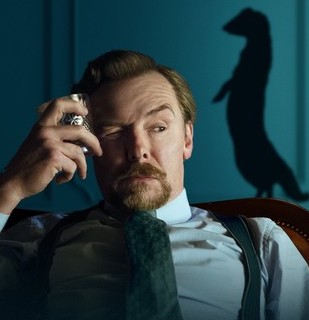
There are are some so-called ‘true’ stories that, if presented as fiction, would simply be dismissed as sheer nonsense. And then there’s ‘Gef,’ the talking mongoose, alleged to have haunted the Irving family on the Isle of Man in the 1930s, a situation deemed credible enough to prompt esteemed investigators into travelling to the Irvings’ remote farmhouse in order to establish whether or not Gef is actually real. Even the BBC produced a film about him and, for a while his fame was widespread. My main reaction to the story is one of bewilderment: why did anyone take this blatant baloney seriously?
I’ve heard about the story previously, thanks to an episode of the podcast, No Such Thing as a Fish, so my interest is sparked when I hear about writer/director Adam Sigal’s feature film. However, the fact that it hasn’t troubled the cinemas but has been unceremoniously dumped onto Amazon Prime suggests that there can’t be much here to shout about and, sadly, this proves to be the case.
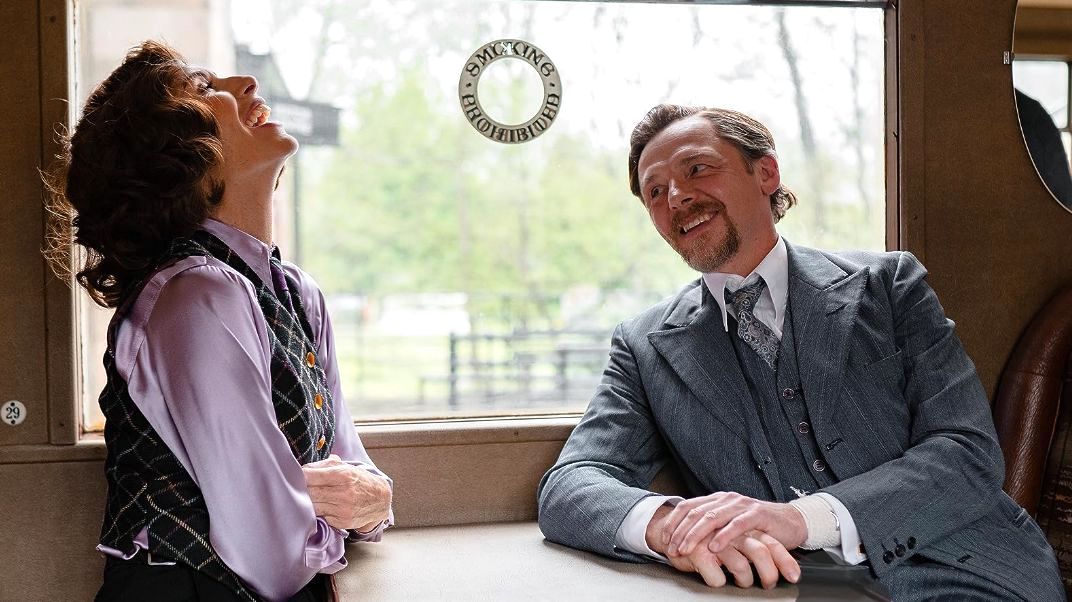
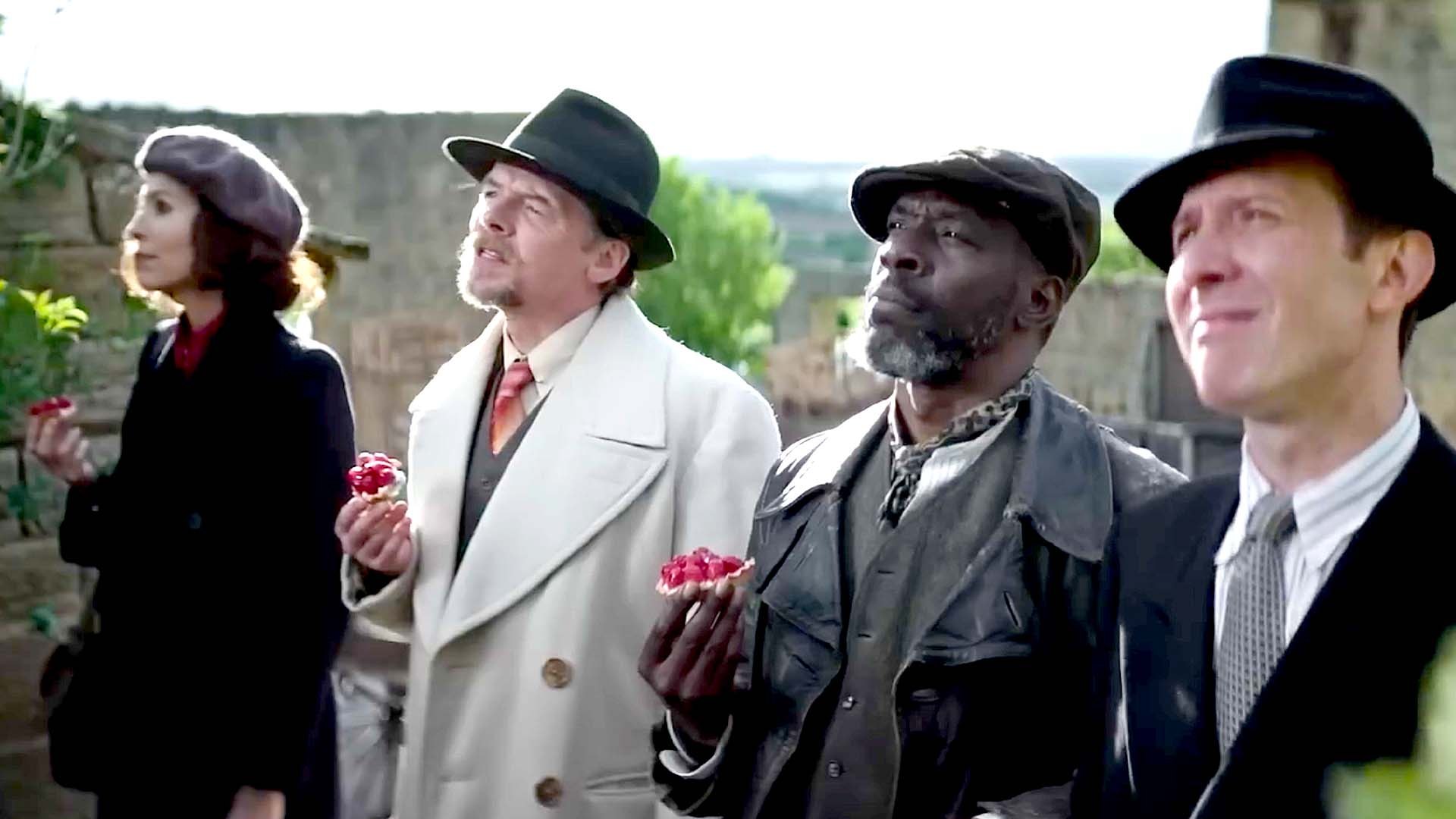
Respected psychological researcher, Doctor Nandor Fodor (Simon Pegg), receives a letter from the Irving family telling him all about their resident mongoose and, after consulting esteemed colleague, Harry Price (Chistopher Lloyd), who has also investigated the case without reaching a satisfying conclusion, Fodor is intrigued enough to travel to the Isle of Man, accompanied by his assistant, Anne (Minnie Driver), to whom he may or may not be attracted. (It speaks volumes about the storytelling when I have to report that I’m still not sure sure about that element.)
Once there, they meet the affable Mr Irving (Tim Downie) and the other members of his household, including his teenage daughter, Voirrey (Jessica Balmer), who makes no secret of the fact that she is an accomplished ventriloquist. (I know: suspicious, right?)
But Fodor’s subsequent attempts to get to the truth of the matter are met with a whole series of bewildering obfuscations. Is Gef real? (No.) Or is he a cunningly contrived hoax, designed to bring people to the Irvings’ remote farm for reasons that can only be guessed at? Normally in cases of deception, the idea is to generate money, but that certainly isn’t what’s happening here. While the Irvings are far from being destitute, they live a frugal existence.
Sigal’s film is certainly enigmatic and it’s also handsomely filmed, the era convincingly evoked thanks to Sara Deane’s assured cinematography – but the screenplay spends far too much time telling us about events that have happened off screen, whilst offering us only the barest glimpses of Gef (voiced by Neil Gaiman). Both Pegg and Driver do their best with their respective characters, despite being given so little to work with. In the end though, the biggest mystery of all is how this unremarkable little project managed to pull in such a strong cast.
By the time we reach the underwhelming conclusion, I’ve pretty much given up on the film, and that’s a shame. There’s something so off-the-wall captivating about its central premise, that I’m left with the powerful conviction that there’s surely a great film to be made about Gef and his escapades.
Sadly, this isn’t it.
2.8 stars
Philip Caveney


 Bouquets & Brickbats