
Medea

The Bacchae

09/03/26

The Studio at Festival Theatre, Edinburgh

“Bloody Greek tragedies are like bloody buses,
You wait for several years,
And as soon as one approaches your local theatre,
Another one appears.”
(With apologies to Wendy Cope)

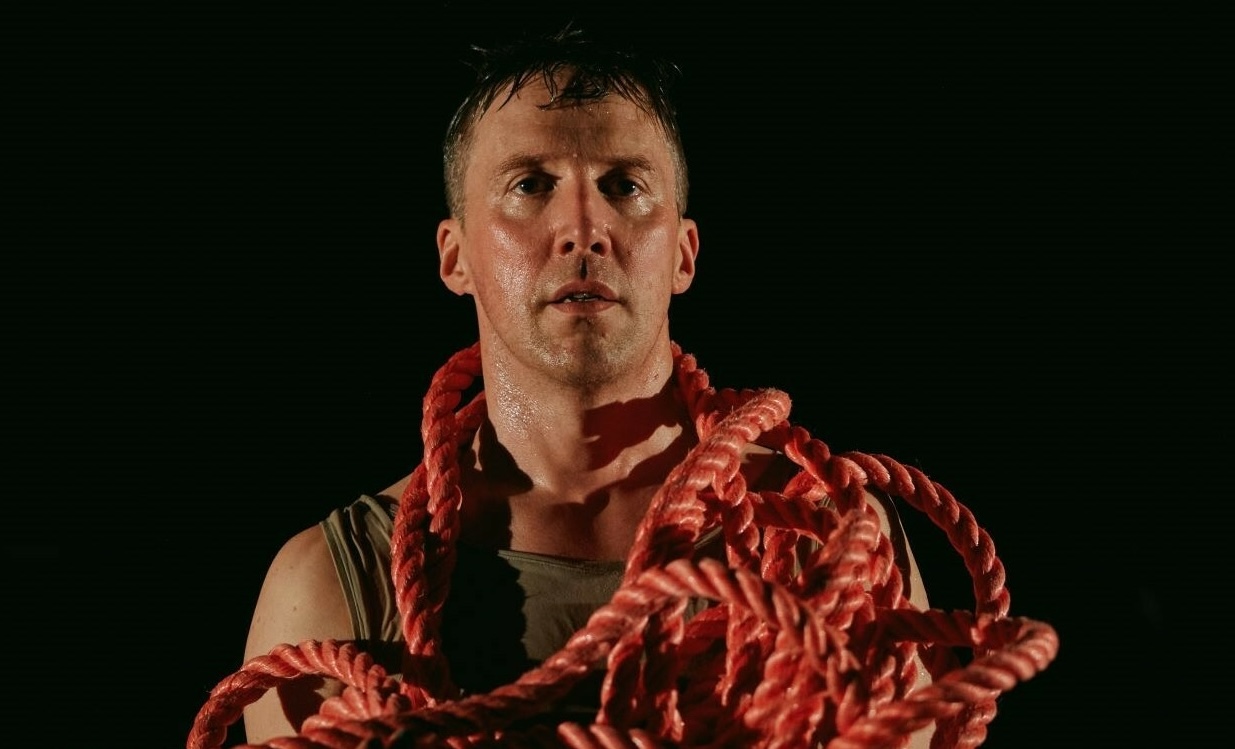
Hot on the heels of Medea at the Traverse comes The Bacchae at the Festival Theatre’s Studio, a striking solo version of Euripides’ compelling – and many-peopled – play. Written and performed by Company of Wolves’ artistic director Ewan Downie, this is intelligently-condensed from the sprawling original.

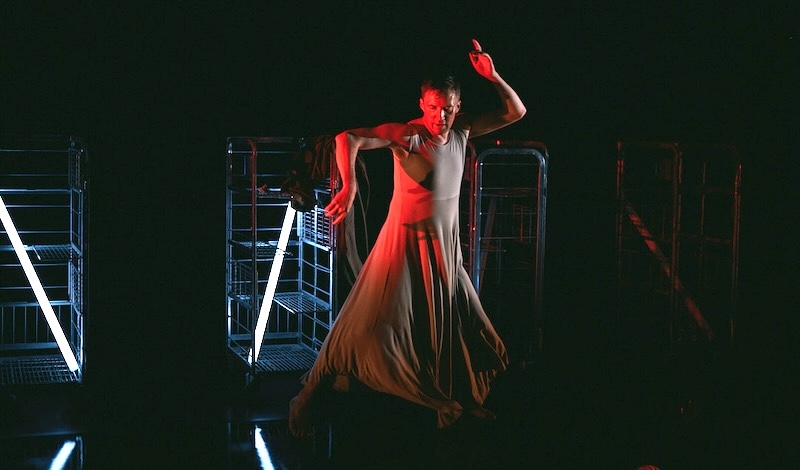
Downie is Dionysus, the god of change – a conceit that lends itself well to the multi-rolling necessary here. The son of Zeus and a mortal woman, Semele, Dionysus both narrates his own story and transforms into a raft of other characters, all perfectly distinct thanks to Downie’s precise physicalisation.

Employing Ancient Greek specialist, Dr Michael Carroll, as a creative consultant is a masterstroke, lending this radical interpretation a sense of authenticity. The narrative is typically convoluted. When the pregnant Semele dies at the sight of her lover, Zeus, in his divine form, the god seizes the embryonic Dionysus and gestates him in his thigh. Raising a baby isn’t on Zeus’s agenda though, so he tasks Semele’s sister, Agave, with parenting the boy. She obliges, but her own son, Pentheus, is understandably jealous of his half-god cousin. This resentment follows the men into adulthood, leading Pentheus, now King of Thebes, to forbid his people from worshipping the increasingly popular Dionysus, who preaches liberation from social restraints, encouraging his followers to indulge in frenzied, wine-fuelled rituals. Where else can their enmity lead but to murder?

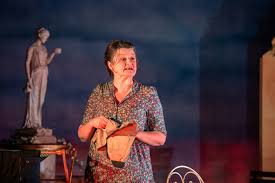
This is as much a piece of performance art as it is theatre: a visual spectacle set to poetry and song. Downie’s commitment is absolute, and it’s his sincerity and conviction that holds our attention. The contemporary set design (by Alisa Kalyanova) clashes with the millennia-old narrative, but I like this discordancy: it reflects the dissolution of boundaries highlighted by the queer subtext. The only off-note for me is the use of a plastic bottle of water. I’m sure there’s some reason behind the decision, but it looks pragmatic rather than intentional, unlike anything else on the stage.

Originally directed by the late Ian Spink and with Heather Knudsten now holding the reins, CoW’s The Bacchae is a fascinating, labyrinthine drama, anchored by an extraordinary central performance.

4 stars

Susan Singfield
Medea

06/03/26

Traverse Theatre, Edinburgh

“I am not a part of the story you tried to write
I am the story
And it ends when I say so”

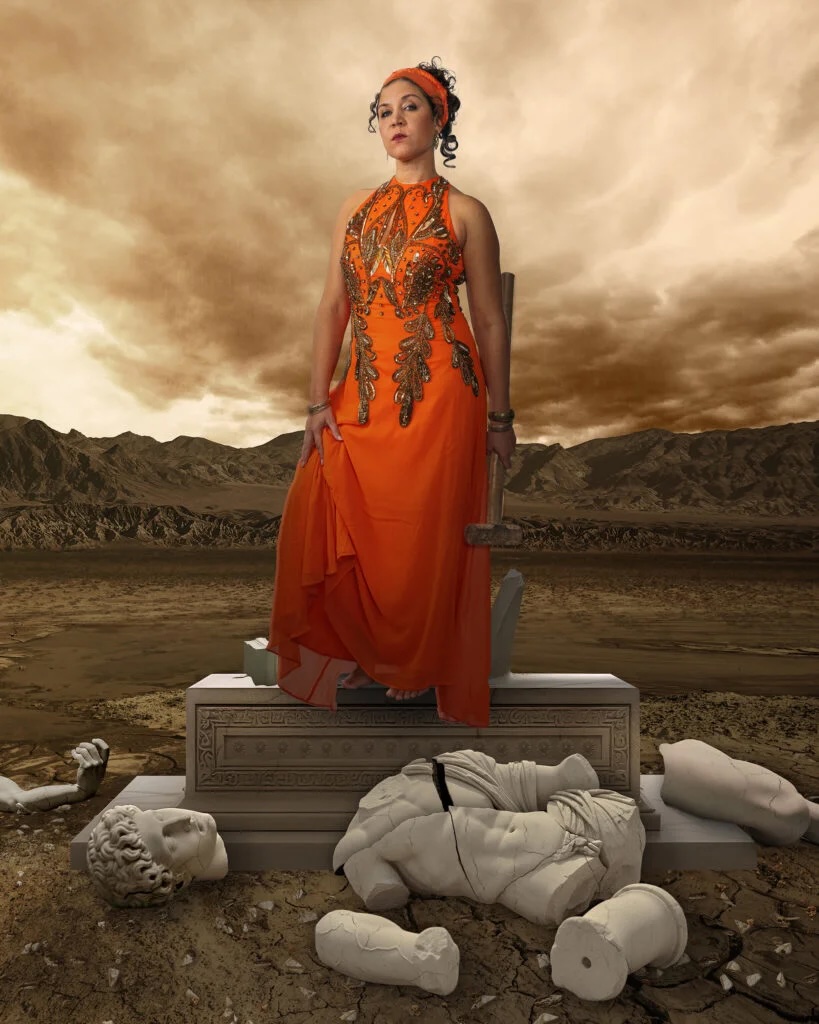
Filicide – the murder of one’s children – is mercifully rare but, in the context of parental separation, it’s predominantly fathers who perpetrate it as revenge. Euripides’ 2500-year-old story of Medea stands out because she is a woman, and there’s nothing we perceive as more monstrous than a non-maternal mom.

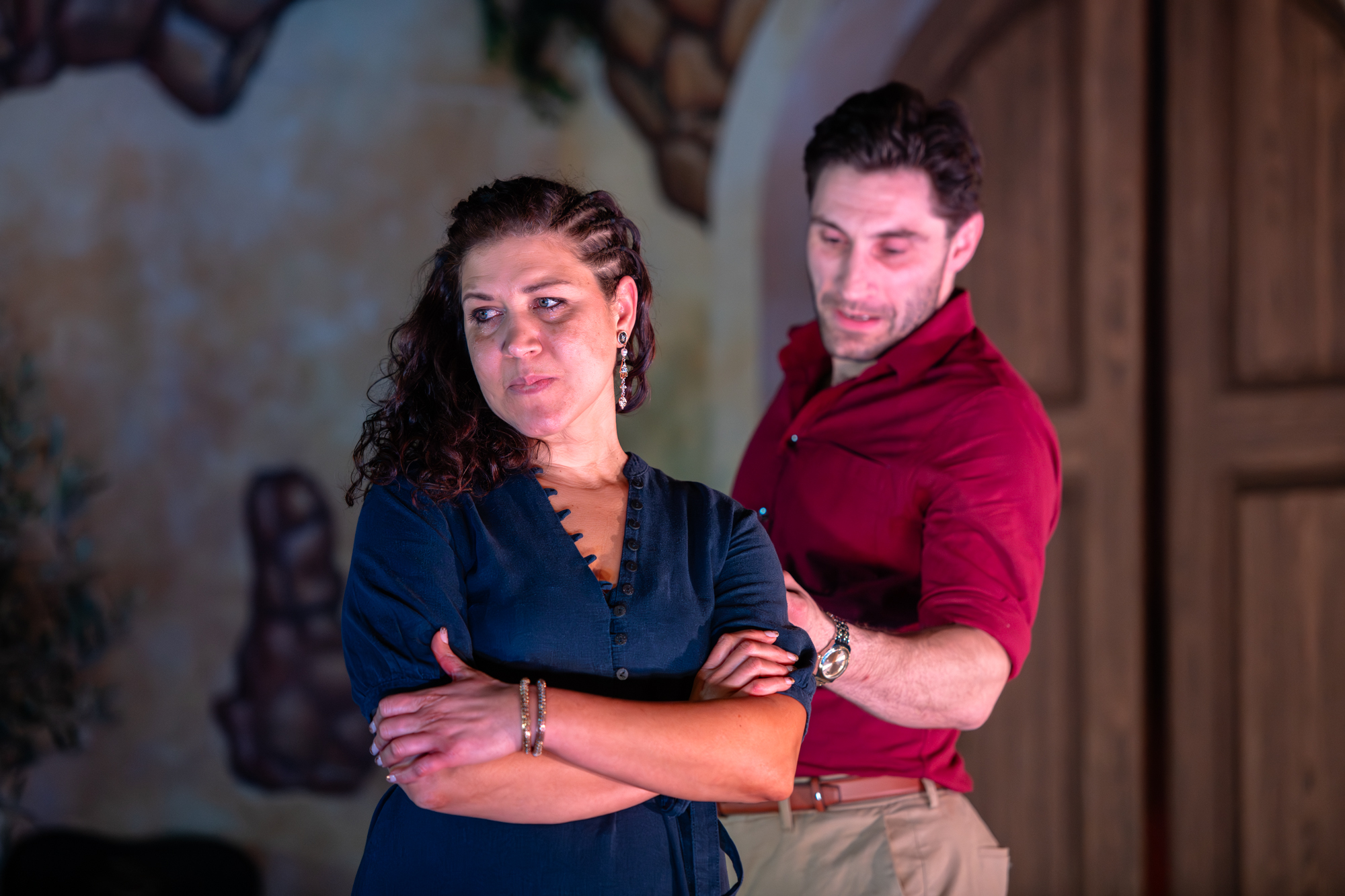
Bard in the Botanics’ contemporary retelling, written by Kathy McKean and directed by Gordon Barr, is essentially an exploration of Medea (Nicole Cooper)’s motives, helping us to understand what leads her to this dreadful act. Although her children are never seen, their centrality is immediately established, as the play opens with their Nurse (Isabelle Joss) and their Tutor (Alan Steele) discussing Medea’s emotional reaction to her husband’s abandonment. We can infer the boys’ youth and innocence from the clothes the Nurse hangs on the washing line – a small dinosaur hoody, some bright blue shorts – and the toys that lie where they’ve landed, under the table or by the wall.

McKean’s Jason (Johnny Panchaud) is a swaggering cad, still revelling in the glory of his golden fleece adventure. Over the years, he’s managed to erase Medea’s contribution from his story, claiming all the credit for himself. Their love – for which she sacrificed everything she’d ever known or cared about – is no longer enough for him; he thinks he’s worthy of more. Why shouldn’t he pursue Glauce, an actual princess? After all, it’s not as if he and Medea were ever actually wed, is it? Besides, Medea’s being pretty selfish denying him this new relationship, because he’s only really marrying Glauce to ennoble their sons, and does she really want to deny them the chance to better themselves?

It’s no surprise that Medea grows to hate him, and Cooper’s depiction of her furious heartbreak is utterly compelling. We see her simultaneously as a broken woman, hurt beyond reason, and a towering force, refusing to give in. Cooper is magnetic in the role, desperately pleading with individual members of the audience to help her (we’re stand-ins for the chorus), and convincing us that Medea’s vengeance is justified. In all honesty, we’re kind of on board with the murders of Glauce and King Creon (Steele), so it comes as a shock when she finally performs the act she’s most famous for, and it’s every bit as nightmarish as it should be. Under Barr’s direction, the filicide itself is quiet, symbolised by Medea’s intertwining of two small sweaters on the floor, as she lays her children down for their final sleep, the silence eventually shattered by Jason’s loud, appalled reaction.

Medea’s is a difficult tale, and McKean’s writing never shies away from the complexity of her character. Instead, we are shown the personal and societal forces that foster her dark urges, allowed to understand – but not excuse – her horrible revenge.

Little wonder this story has endured, with its irresistible mix of mayhem and melodrama, its excavation of human depravity and the lengths we’ll go to when we’re hurt. Although there’s only one more night at the Traverse here in Edinburgh, the tour of Scotland continues until 11th April, so there are plenty of opportunities to catch it if you can.

4.6 stars

Susan Singfield

Saint Omer

06/02/23

Cameo Cinema, Edinburgh

To describe Saint Omer as a courtroom drama would be doing it an immense disservice. Yes, the action does take place in a courtroom in the titular French town – and yes, the story is inspired by real-life events, namely the trial of Fabienne Kabou, accused of the infanticide of her young daughter in 2016. But Alice Diop’s slow-burn feature is about so much more than what meets the eye.

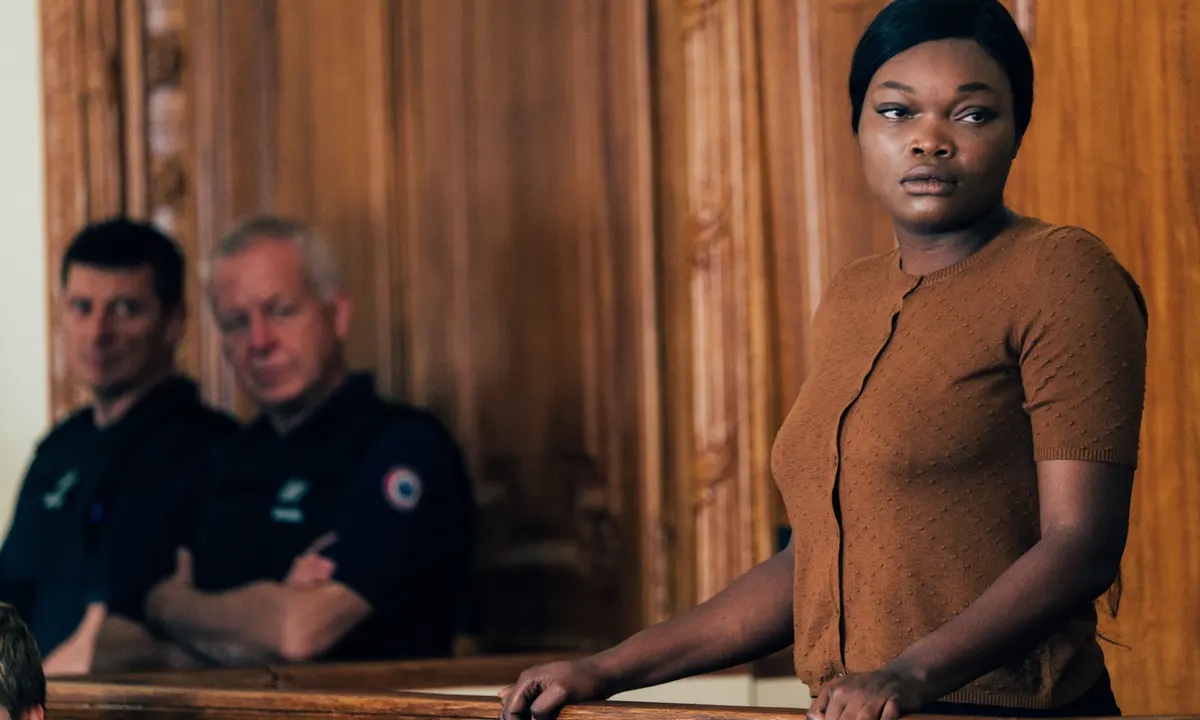
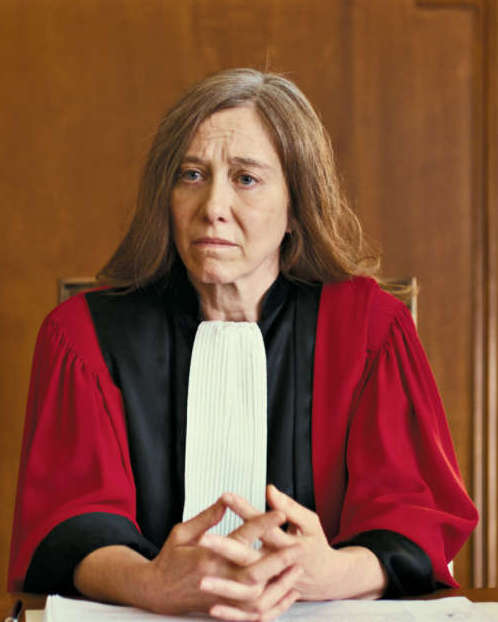
In this version of the tale, the accused is Senegalese Laurence Coly (Guslagie Malanda), whose only defence for leaving her daughter on a beach to die is that witchcraft impelled her to do it.’ The court’s Président (Valérie Petit) is understandably mystified and exasperated by the woman’s apparent conviction that, having admitted to the murder, she is perfectly justified in submitting a plea of not guilty.

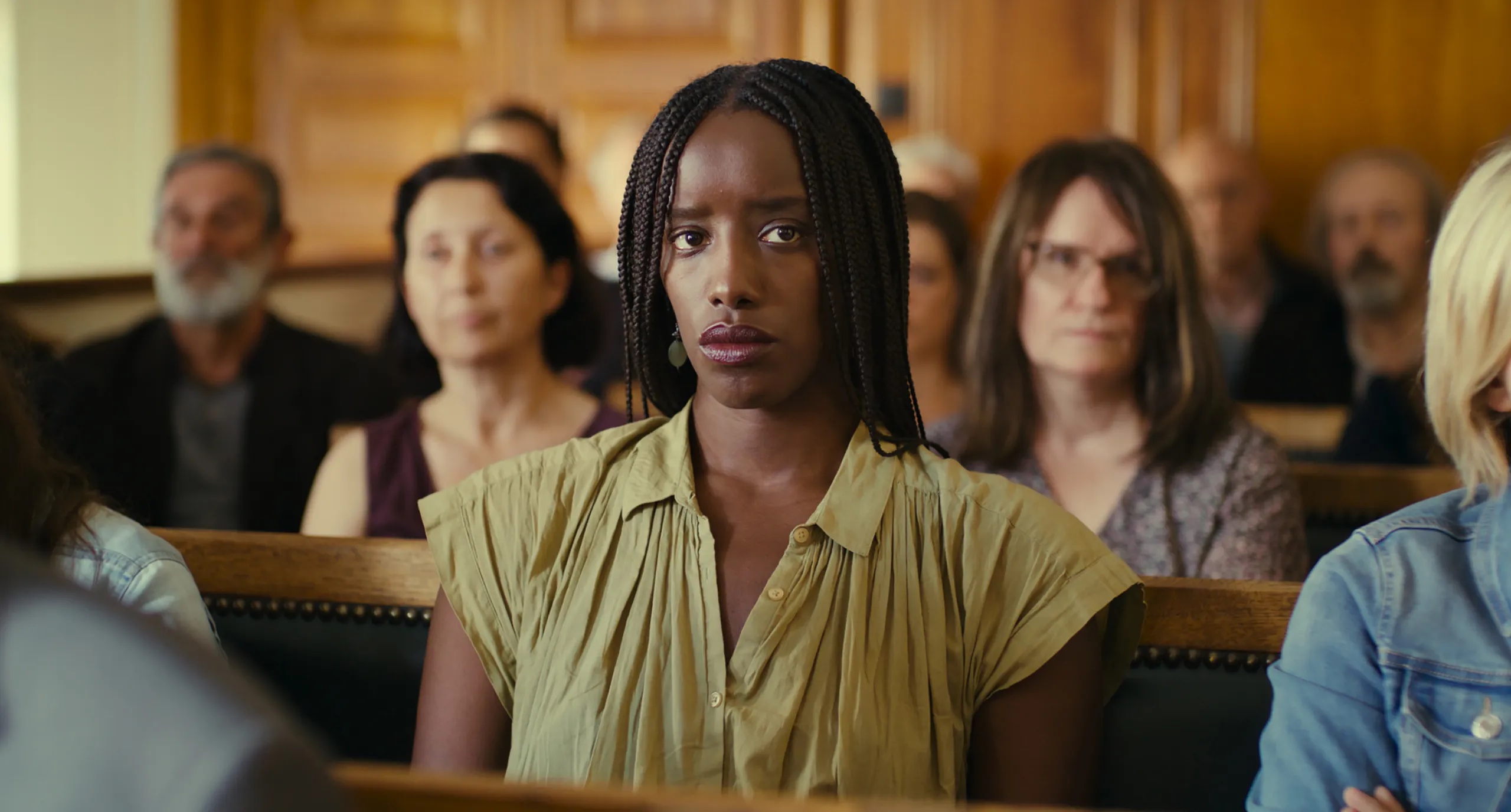
Successful author, Rama (Kayije Kagame), also Senegalese, feels impelled to attend the trial. She’s pregnant herself and is in the process of writing a new book based around the myth of Medea, and believes that elements of the story are echoed in Coly’s situation. Rama also meets up with Coly’s manipulative mother, Odile (Salimata Kamate), who exerts a quiet sense of control, while utterly refusing to discuss her daughter’s claims of sorcery. As the trial progresses, Rama feels herself increasingly drawn to Coly’s plight.

Slow-paced and deeply compelling, Saint Omer feels like a meditation on the unfair demands of womanhood – that, purely because of their biology, women are forever cast as unremittingly evil whenever they are unable to fulfil the demands that motherhood places upon them. Everything builds to an impassioned address from defence lawyer, Maître Vaudenay (Ayrélia Petit), her remarks addressed direct to camera, so there can be no doubt of their intention.

It’s interesting to note how little cinematic artifice is on display here – hardly any of the cuts, dissolves and pans we associate with a movie are utilised, while characters remain curiously inert throughout proceedings. Coly is even dressed in clothes that virtually blend with the wood panelled background of the courtroom. She is, it seems, already virtually invisible. An extract from Pier Paolo Passolini’s film Medea (1969) seems to have been included merely to accentuate the gulf between Rama’s original notion and the stark reality of Coly’s situation.

And, unlike any other courtroom drama I’ve seen, there’s no interest in recording the outcome of the trial, and this seems entirely appropriate. Saint Omer is much more interested in what is left unsaid. It’s an undeniably powerful and illuminating film, expertly told.

4.4 stars

Philip Caveney