
18/03/25
Traverse Theatre, Edinburgh
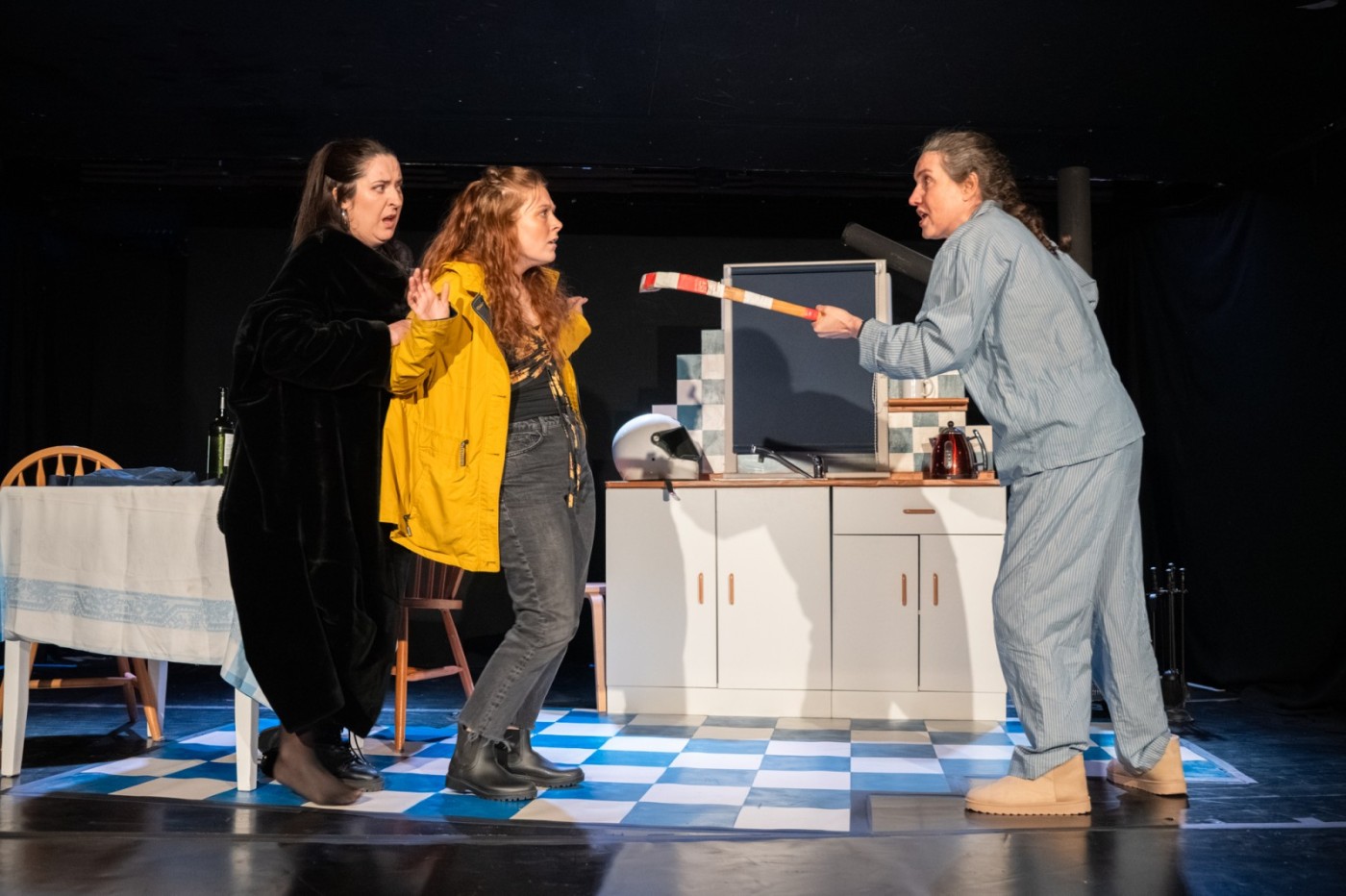
This three-hander, written and directed by Lana Pheutan, explores the rural housing crisis through the lens of drunken cousins, Eilidh (MJ Deans) and Eilidh Bheag (Chelsea Grace). The two women are in their late twenties, ready to embrace their adult lives but thwarted by the prevalence of AirBNBs on their native island, Skye. “I’m a teacher!” wails Eilidh. “I deserve my dream home…” While her sense of entitlement is quite comical – she’s been working for just a few years and her unemployed boyfriend isn’t even looking for a job – she’s not wrong in her assessment of a broken housing market, where flats are snapped up by remote investors before locals can even get a look in. But living back at her mum’s is starting to wear her down…
Her solution? To persuade Eilidh Bheag to break into a holiday let with her and then… um… Well. She hasn’t really worked out what should happen next. It just seemed like a good idea half an hour ago, when the pub landlord refused them a lock-in.
MJ Deans imbues Eilidh with lots of sass and self-righteousness, while Chelsea Grace’s Eilidh Bheag provides a calmer foil, tempering the former’s outrage with a few gentle home truths. After all, Eilidh Bheag is the one who’s stayed on Skye, while her cousin’s been living the high life in Glasgow for the past eight years. How dare she come back to the island and accuse her of pandering to tourists, being “part of the problem”? “You only care when it directly affects you,” snaps Eilidh Bheag at last, tired of being hectored.
The altercation is disrupted by the unexpected arrival of Miss Nicille Mhicheil (Annie Grace), an elderly local resident. The dynamic changes, and an inter-generational element is added to the polemic, injecting more nuance.
Pheutan’s direction is sprightly and the pace never drops, although the dialogue occasionally sounds a little too much like rhetoric, the issues taking precedence over the characters and their immediate situation. On the plus side, the occasional use of Gaelic serves as a reminder of the culture the community stands to lose, and also sounds very authentic (I’m from North Wales, so the pattern is a familiar one: it feels very natural to me to speak English with a smattering of Welsh phrases).
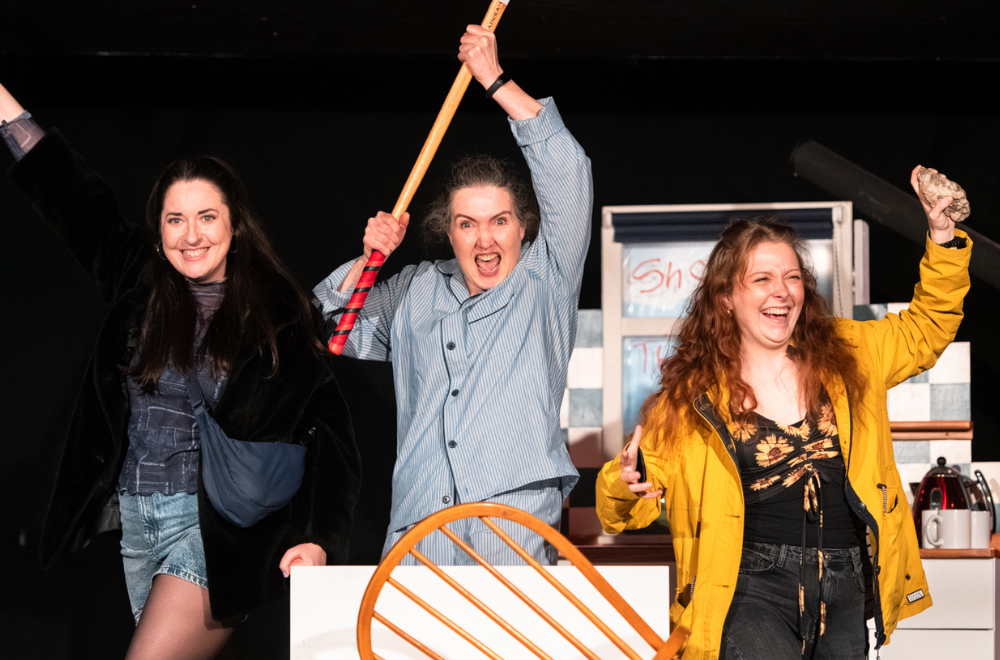
Eilidh, Eilidh, Eilidh succeeds in raising awareness of an important problem – and even moots an answer, albeit a little simplistic. All in all, this is a heartfelt and ultimately heartwarming piece of drama.
4 stars
Susan Singfield
 Bouquets & Brickbats