Julia Ford

Unforgivable

27/07/25

BBC iPlayer

Here’s that rarest of things: a full length, original film (as opposed to a TV series) from the BBC. A film, moreover, scripted by veteran playwright, Jimmy McGovern, who has been creating his his own brand of Liverpool-based drama since the early 1980s. Unforgivable, as the name suggests, makes for harrowing viewing. Indeed, it’s so unremittingly bleak that I find myself wondering if any of the central characters are going to catch a break somewhere down the line, but happily the story’s conclusion does at least offer a hint of redemption for its protagonist.

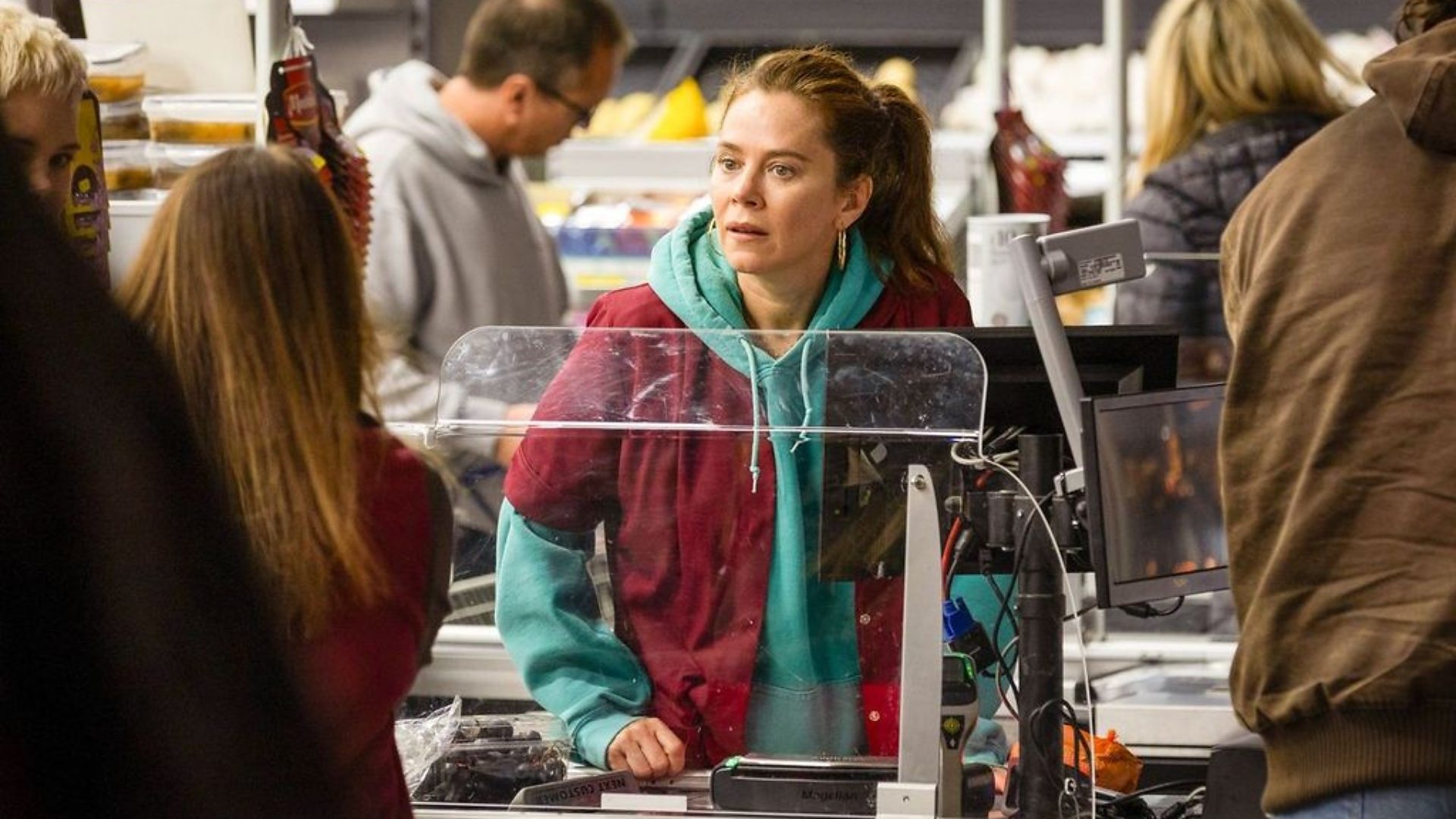
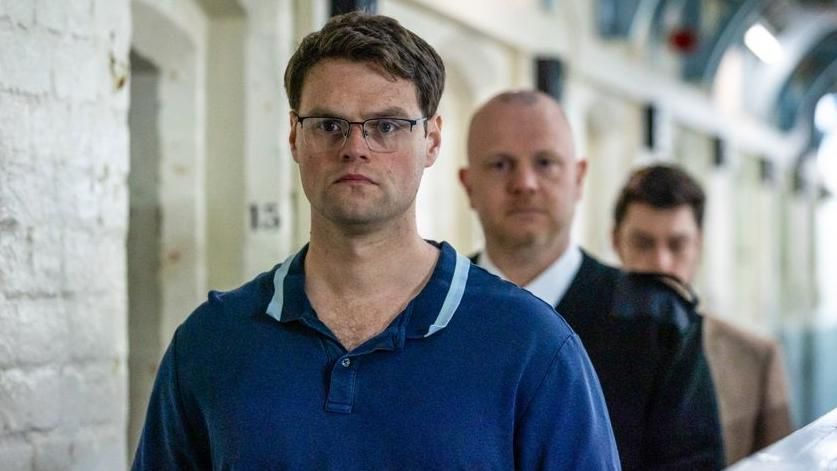
He is Joe (Bobby Schofield), a young man currently serving out a prison sentence for sexually abusing his teenage nephew, Tom (Austin Haynes). Since the incident, Tom has become electively mute, saying no more than ‘yes’ or ‘no.’ Joe is hated by just about everybody he encounters and that includes his sister, Anna (Anna Friel), who is struggling to cope with her traumatised son and his older brother, while desperately attempting to hang on to her job at a local supermarket. But then Joe and Anna’s mum dies, just as Joe’s parole comes up. He is summarily informed that he cannot return to the area where the abuse took place, not even to attend his own mother’s funeral.

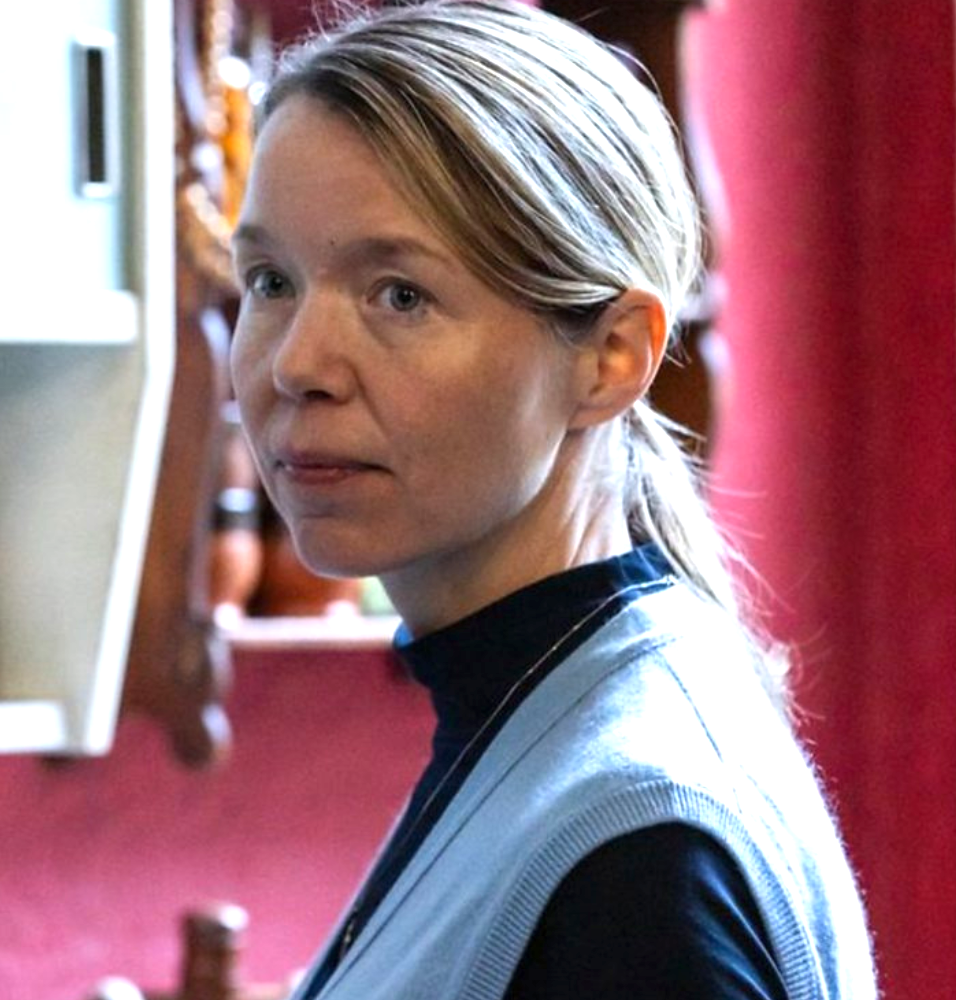
Former nun, Katherine (Anna Maxwell Martin), takes pity on Joe and accepts him into her halfway house. She also invites him to talk about his issues and, in returning to the subject of Tom’s abuse, Joe realises that in many ways he is as much a victim as a perpetrator…

All the time-honoured elements of a McGovern script are in place: a thorny central premise with no easy solution, a raft of superb performances – Haynes is particularly impressive, managing to convey utter misery despite having barely any dialogue – and Schofield too evokes our sympathy. Here is a man who has come to despise himself so much that, when pursued by a angry mob of vengeful thugs, he chooses to turn and accept his punishment. Friel utterly convinces as a woman pushed to the edge of reason and David Threlfall does his usual wonderful job as her father, Brian: quiet, brooding and terribly conflicted by something in his own recent past.

This compelling drama, sensitively directed by Julia Ford, has a central question at the heart of it. Do men who are abused as children and then go on to abuse others deserve any sympathy? McGovern never really provides a cogent answer, nor do I think he ever intended to. But there’s no denying that this powerful drama raises the issue with enough conviction to make us ponder if we really have the right to deny forgiveness.

4.6 stars

Philip Caveney

Husbands and Sons

Unknown-1

23/02/16

Royal Exchange, Manchester

Welcome to the world of DH Lawrence – a world of coal and sweat, where every husband is a drunken, boorish tyrant, where every wife is a much put-upon angel, and where every mother secretly harbours an unhealthy regard for her own son.

Husbands and Sons is a curious concoction, a mingling of three early plays by Lawrence – The Daughter-In-Law, A Collier’s Night Out and The Widowing of Mrs Holroyd – all of which take place in the same village, which has allowed adapter Ben Power to overlay them, so that one piece of action appears to comment on the next. The protagonists are onstage most of the time, while the script cuts nimbly back and forth between the three households involved – the Lamberts, the Gascoignes and the Holroyds. At first, this technique is disorienting; it takes a while to settle into the rhythm, but eventually you do and things pick up.

The Exchange is famous for its sets and this one is remarkable in its ingenuity. The three households are delineated by ranks of cast iron cooking ranges, sculleries and dining tables, all balanced precariously on top of the colliery, represented by heaps of coal and a grilled floor, lit from below. It looks fantastic.

But there seems to be a lack of consistency in the style. Why, for instance, go to the trouble of creating plumbed-in taps that spout real water and cooking ranges that belch real flame, and then oblige the actors to perform a mime every time they enter a house: opening and closing invisible doors, removing and hanging up imaginary coats and hats? It just looks odd amidst all the naturalistic clutter. Another puzzling detail – two bread tins, complete with knives, are used to prise out… fresh air. In her programme notes, director Marianne Elliott claims that she wanted the audience to ‘concentrate on the people and not get bogged down in the detail of the bread or the stew or sweeping the floor,’ but the absence of these things made no sense when so many other fripperies were included. If we’re meant to concentrate on the actors, why surround them with so much paraphernalia? Or, if this level of detail is required, why not see it through consistently?

There’s no doubting the quality of the performances here. Anne Marie Duff, making her debut at the Exchange, has little to do in the first half, but really comes into her own in the second as the tragic Lizzie Holdroyd, obliged to deal with the sudden death of her boorish husband, Charles (Martin Marquez), killed in a colliery accident. Meanwhile, Lydia Lambert (Julia Ford) is trying not to feel jealous of her son’s new flame and over at the Gascoigne house, Luther (Joe Armstong) has been unfaithful to his wife, Minnie (Louise Brealy), and has got one of the neighbours in the family way. Reparation must be made, it seems but what does Minnie have to say about it?

What you feel about this production will probably depend upon how you regard the writing of D H Lawrence. There are many who think of him as a genius, a man before his time. Others simply see him as a sex-obsessed neurotic with a large chip on his shoulder. Husbands and Sons is an interesting piece that takes time to build in intensity, but we feel it is somewhat compromised by unnecessary complications, that have nothing to do with the performances or, indeed, the script.

3.5 stars

Philip Caveney & Susan Singfield