Jimmy McGovern

Unforgivable

27/07/25

BBC iPlayer

Here’s that rarest of things: a full length, original film (as opposed to a TV series) from the BBC. A film, moreover, scripted by veteran playwright, Jimmy McGovern, who has been creating his his own brand of Liverpool-based drama since the early 1980s. Unforgivable, as the name suggests, makes for harrowing viewing. Indeed, it’s so unremittingly bleak that I find myself wondering if any of the central characters are going to catch a break somewhere down the line, but happily the story’s conclusion does at least offer a hint of redemption for its protagonist.

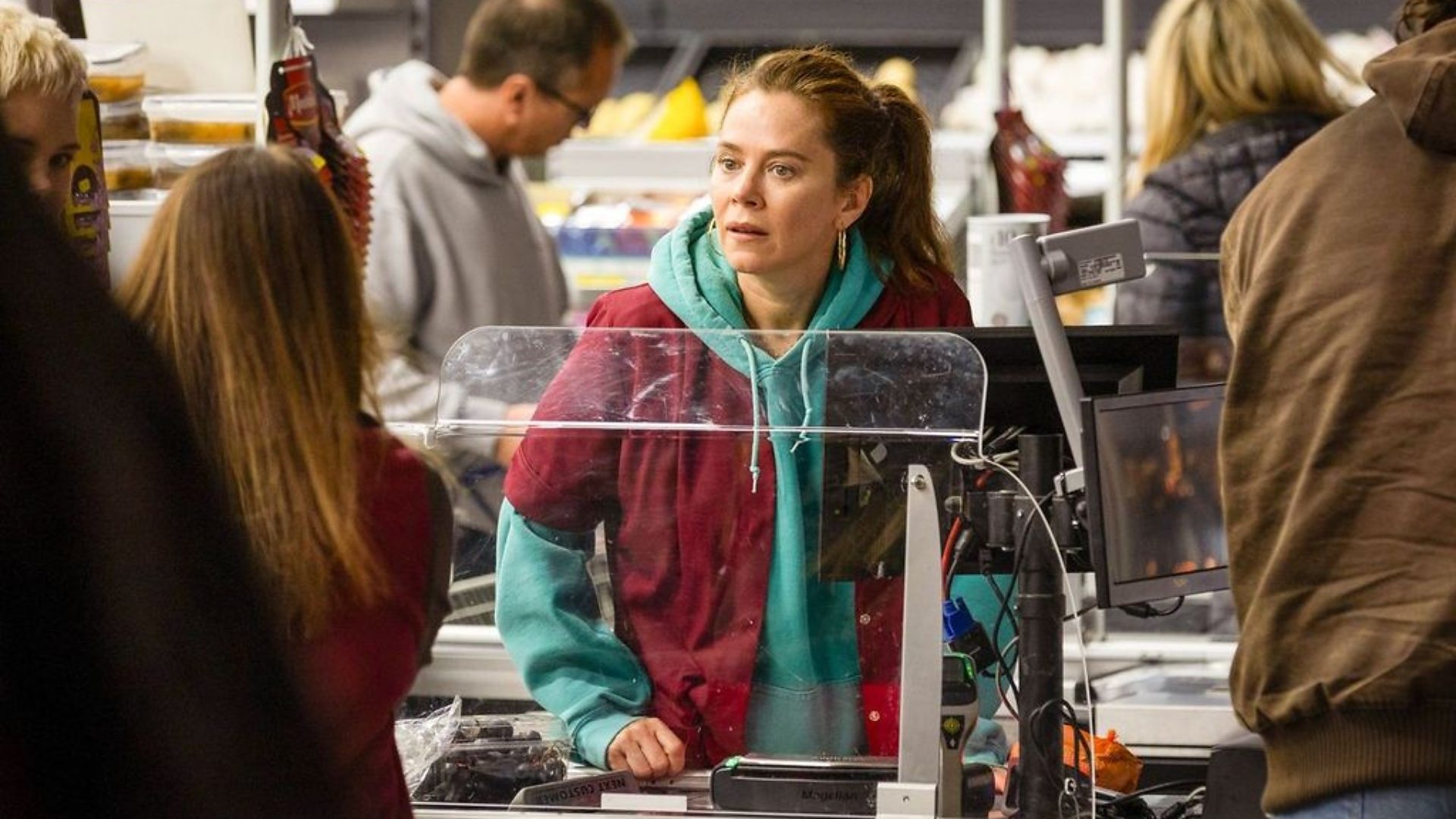
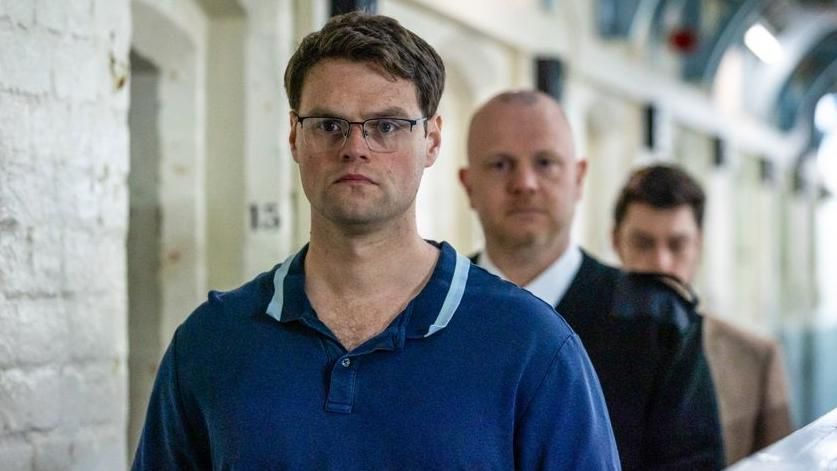
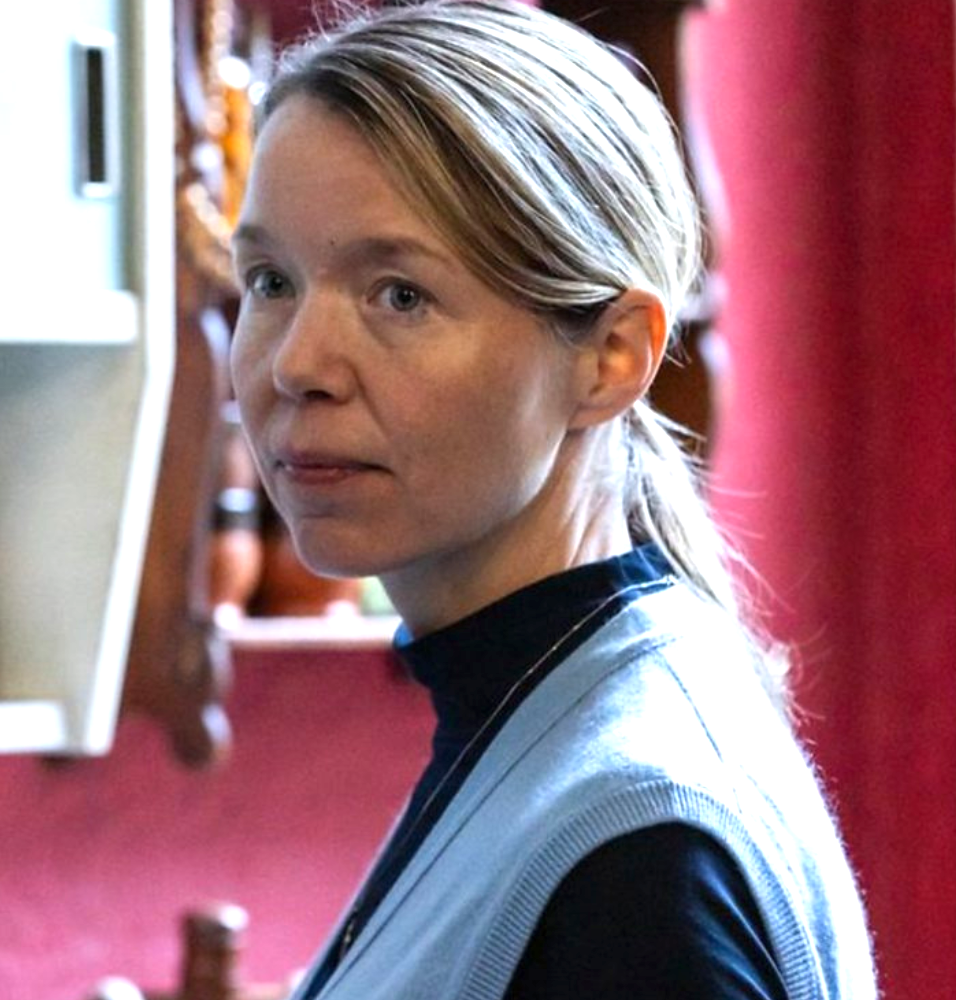
He is Joe (Bobby Schofield), a young man currently serving out a prison sentence for sexually abusing his teenage nephew, Tom (Austin Haynes). Since the incident, Tom has become electively mute, saying no more than ‘yes’ or ‘no.’ Joe is hated by just about everybody he encounters and that includes his sister, Anna (Anna Friel), who is struggling to cope with her traumatised son and his older brother, while desperately attempting to hang on to her job at a local supermarket. But then Joe and Anna’s mum dies, just as Joe’s parole comes up. He is summarily informed that he cannot return to the area where the abuse took place, not even to attend his own mother’s funeral.

Former nun, Katherine (Anna Maxwell Martin), takes pity on Joe and accepts him into her halfway house. She also invites him to talk about his issues and, in returning to the subject of Tom’s abuse, Joe realises that in many ways he is as much a victim as a perpetrator…

All the time-honoured elements of a McGovern script are in place: a thorny central premise with no easy solution, a raft of superb performances – Haynes is particularly impressive, managing to convey utter misery despite having barely any dialogue – and Schofield too evokes our sympathy. Here is a man who has come to despise himself so much that, when pursued by a angry mob of vengeful thugs, he chooses to turn and accept his punishment. Friel utterly convinces as a woman pushed to the edge of reason and David Threlfall does his usual wonderful job as her father, Brian: quiet, brooding and terribly conflicted by something in his own recent past.

This compelling drama, sensitively directed by Julia Ford, has a central question at the heart of it. Do men who are abused as children and then go on to abuse others deserve any sympathy? McGovern never really provides a cogent answer, nor do I think he ever intended to. But there’s no denying that this powerful drama raises the issue with enough conviction to make us ponder if we really have the right to deny forgiveness.

4.6 stars

Philip Caveney
Lollipop

17/06/25

The Cameo, Edinburgh

Lollipop is writer-director Daisy-May Hudson’s debut feature film – and what a promising start this is. Sure, she’s treading in the footsteps of working-class champions such as Ken Loach and Mike Leigh, but – if this fiercely female and decidedly 2020s tale is anything to go by – Hudson is also forging her own path.

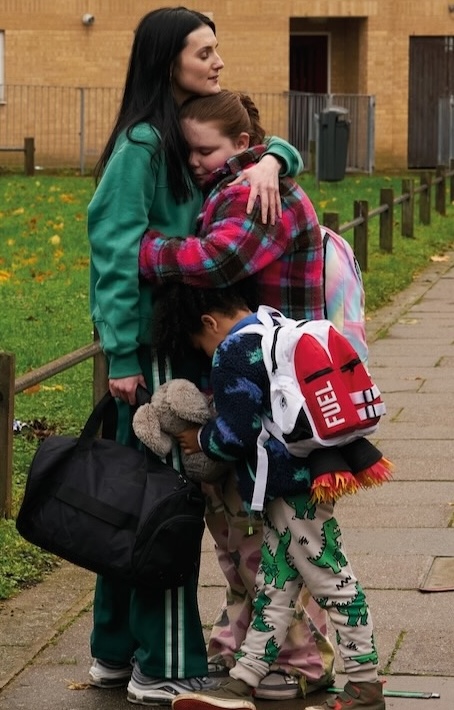
‘Lollipop’ is Molly (Posy Sterling)’s childhood nickname, but she’s come a long way since those innocent days. She’s just spent four months in prison – for an unspecified crime – and is looking forward to getting out and being reunited with her kids, Ava (Tegan-Mia Stanley Rhoads) and Leo (Luke Howitt). But things have gone awry while she’s been away: not only has she had to give up her flat, but her flaky mum, Sylvie (TerriAnn Cousins), who was supposed to be looking after the children, has handed them over to social services instead. “Don’t start,” she says, when Molly confronts her, aghast. “I can’t cope with you starting.”

Of course, once they’re in the system, the children can’t just be handed back. There are teams of people tasked with ensuring their welfare. How can they return Ava and Leo to Molly’s care when she’s homeless, pitching her tent illicitly in the park, washing in a public loo? But it’s Catch 22: Molly isn’t a priority for housing because she hasn’t got her kids with her. She’s going round in circles, and that’s not helping her already fragile mental health. However caring the individual professionals are – and they are decent, compassionate women, on the whole – the process seems designed to deny her any possibility of making good.

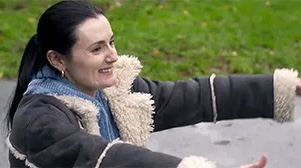
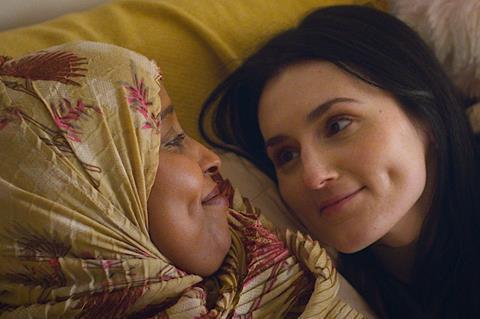
A chance encounter with an old school friend, Amina (Idil Ahmed), offers a glimmer of hope. Amina has her own problems: she’s separated from her husband, and living in a hostel with her daughter, Mya (Aliyah Abdi). But Amina is a natural optimist with an abundance of energy, spreading joy in the simplest of ways. She hosts a daily ‘party’, where she and Mya dance to their favourite tunes, while a disco ball transforms their dismal walls with colour and light. When Molly reaches breaking point, afraid she’s going to lose her kids forever, it’s Amina who breaks her fall…

It’s impossible not to draw comparisons with the second series of Jimmy McGovern’s acclaimed TV series, Time, which saw Jodie Whittaker’s Orla facing a similar situation, fighting against a failing and underfunded system that not only hurts people but also encourages recidivism. This doesn’t detract from Lollipop‘s power; sadly, it only serves to highlight the ordinariness of this extraordinary horror.

Sterling imbues the central role with so much heart that I defy anyone not to cry when they see Molly lose the plot at a resource centre, not to hold their breath while they wait for the court’s verdict. Newcomer Ahmed is also perfectly cast, lighting up the screen with her ebullience, although Amina also experiences great pain. Cousins infuriates as the selfish Sylvie, letting Molly down at every turn, but somehow still evoking our pity, and young Rhoads is heartbreakingly convincing as a little girl negotiating adult trauma before she’s even hit puberty.

Lollipop is a devastating but beautifully-realised film, as vital and engaging as Sean Baker’s The Florida Project (with which it shares some DNA). It’s the sort of potent story that ought to be the catalyst for change. Let’s hope.

4.5 stars

Susan Singfield