Erasure

American Fiction

03/02/24

Cineworld, Edinburgh

If these first few weeks are anything to go by, 2024 is going to be a good year for film. Cord Jefferson’s debut feature is a long way from your typical bums-on-seats blockbuster, but the cinema is hearteningly busy tonight. We’re in for a treat.

American Fiction is a clever, cerebral film, exploring the reductive nature of the Black stories that are promoted by white-controlled media. Thelonious ‘Monk’ Ellison (Jeffrey Wright) is a Black writer and professor, earning more from teaching than he does from his highbrow books. But in a brilliantly satirical scene, we see his white students complaining that he is making them uncomfortable by explicitly referring to the racist language deployed by the period authors they’re studying. When his white bosses back them up, Monk bristles: he isn’t the sort to back down easily. Before long, he’s been practically ordered to ‘take a break’, and so he heads reluctantly to Boston for a long overdue visit to his family, his employment status decidedly shaky. Is this what happens to Black people when they don’t comply with liberal white people’s notions of how to address racism? Wow.

To add to Monk’s woes, his agent (John Ortiz), calls to say that his latest manuscript hasn’t found a buyer. “It’s not Black enough,” Arthur tells him. “What does that mean?” asks Monk, although he knows exactly what it means. It means that his literary novels don’t conform to the blaxploitation model that white people like to indulge in; it isn’t anything like Sintara Golden’s runaway bestseller, We’s Lives in da Ghetto. As a fawning TV interviewer heaps praise on Golden (Issa Rae), Wright imbues Monk with an understated and entirely credible fury. In Bialystock-Blum mode, he pseudonymously dashes off a ridiculous pastiche of a Black novel and then watches incredulously as it become a huge success. He’d like to take the opportunity to go public and make his point – but his mom (Leslie Uggams) is sick, and someone has to pay for her care…

This well-written and often laugh-out-loud funny script, based on the novel Erasure by Percival Everett, deftly punctures the self-aggrandising nature of allyship, as white people vie to show off their woke credentials, often at the expense of the actual Black people sitting next to them. It’s also a beautifully-observed depiction of complex family dynamics, as Monk and his doctor siblings (Tracee Ellis Ross and Sterling K Brown) struggle to deal with their fractured relationships and their mother’s decline. It’s bold, intelligent – and also very accessible. The fourth-wall-breaking final ten minutes are especially audacious, but the entire two-hour run is a joy to behold.

Both thoughtful and thought-provoking, American Fiction is an impressive piece of work, deftly straddling the highbrow/lowbrow chasm that so infuriates its protagonist.

5 stars

Susan Singfield
All of Us Strangers

27/01/24

Cineworld, Edinburgh

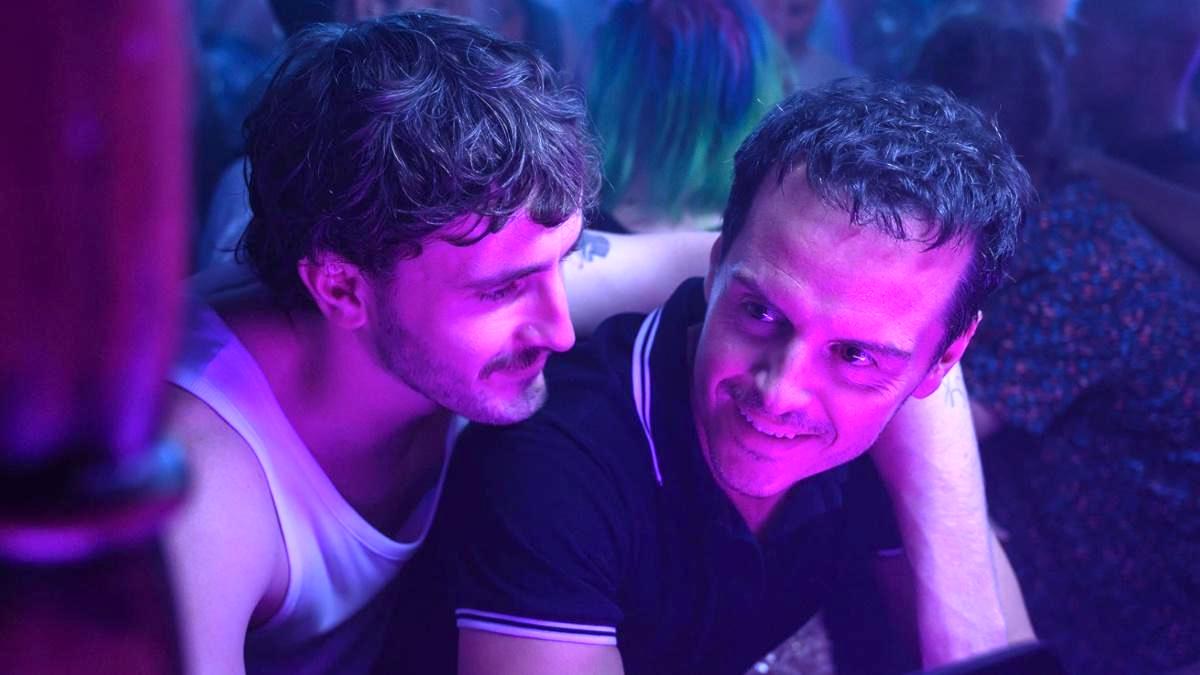
All of Us Strangers is a curious creature. Not exactly a tale of the supernatural, not really a love story, it borrows elements from both genres and weaves them seamlessly together to create something that’s impossible to classify. More than anything else, this feels like a lament for lost opportunities – a meditation on longing and regret.

Written and directed by Andrew Haigh and based on a novel by Taichi Yamada, it tells the story of Adam (Andrew Scott), a lonely screenwriter, currently plying his trade in a near-empty high-rise somewhere in London. He’s currently attempting to write a screenplay based on a true incident from his childhood: the death of his parents in a car crash back in 1978, when he was eleven years old.

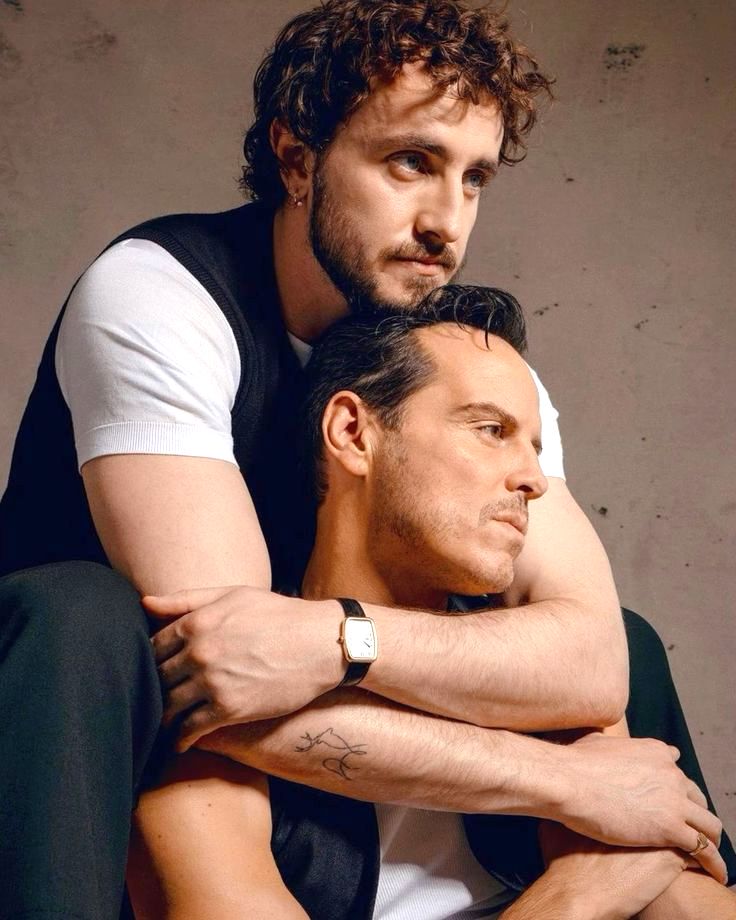
Adam’s musings are interrupted by the arrival of the man who appears to be the block’s only other resident. He’s Harry (Paul Mescal), currently halfway through a bottle of whisky and clearly looking for company. But Adam is nervous and politely refuses Harry’s advances.

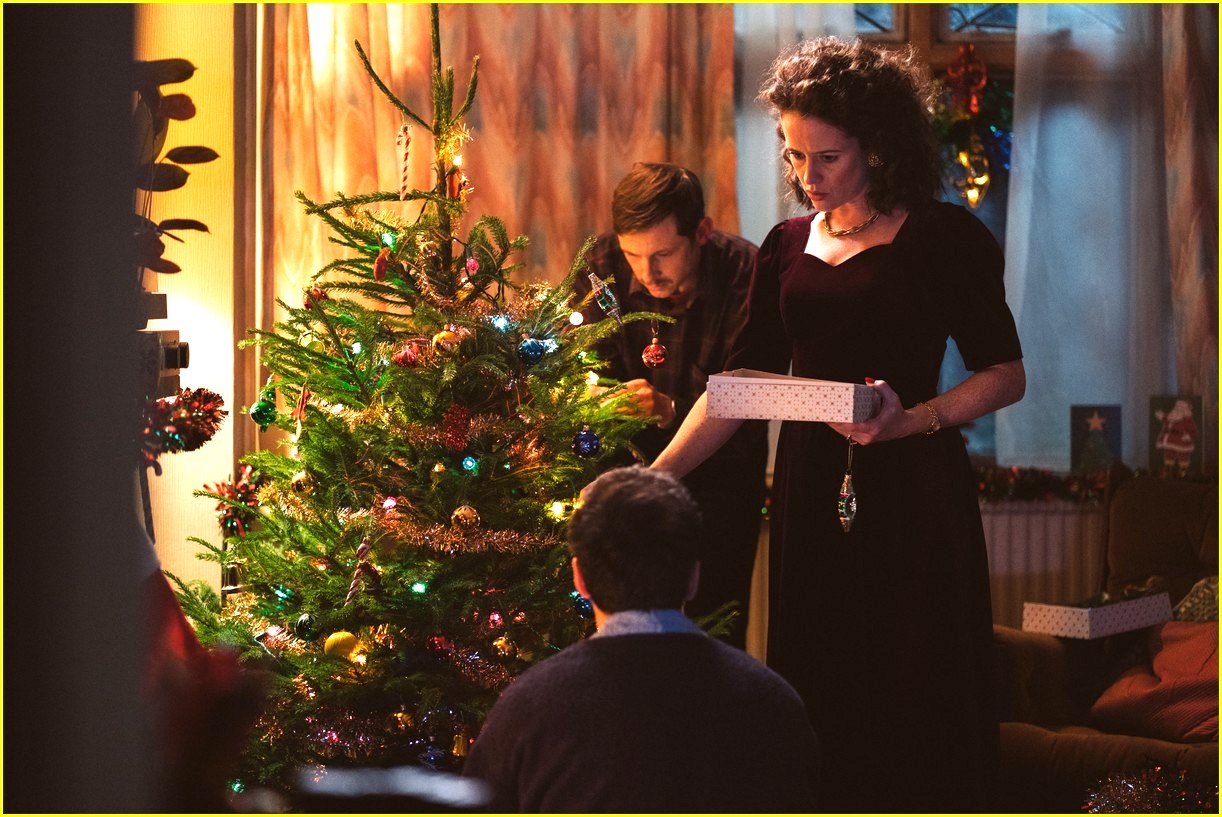
Seeking inspiration, Adam makes the train journey to his parents’ old house in the suburbs of Dorking and is astonished to discover that both Dad (Jamie Bell) and Mum (Claire Foy) are still alive, looking exactly as he remembers them. The 70s aesthetic of their lives is convincingly evoked, right down to the soundtrack of Erasure and Frankie Goes to Hollywood, and his folks are eager to find out how their boy has fared since they last saw him.

And then, Adam reconnects with Harry and an intense sexual relationship develops, their first encounter sensitively captured, their wild hedonistic nights in London’s gay clubs accompanied by a succession of pounding nightclub bangers. But where are they – and the story – heading?

Essentially a four-hander – we never meet any other characters – this sweetly-sad narrative is anchored by impressive performances from the four stars. Scott, in particular, creates a beautifully-judged picture of loneliness and regret, a man struggling to come to terms with a world where he struggles to function. In the scenes where he’s enjoying some time with his parents, he effortlessly slips into a state of childlike wonder.

Many viewers have said that watching this moved them to tears, though I stay resolutely dry-eyed throughout. Perhaps this says more about me than it does about Haigh’s film, but what All of Us Strangers captures particularly well for me is the curious way a writer’s mind works; how half-remembered incidents from childhood can be developed into something tangible, the stuff of alternative reality, and how such discoveries can sometimes become almost overwhelming.

If not the five-star masterpiece I’ve been led to expect, this is nevertheless an exciting and provocative slice of contemporary cinema.

4.2 stars

Philip Caveney

The Sparks Brothers

02/08/21

Cameo Cinema

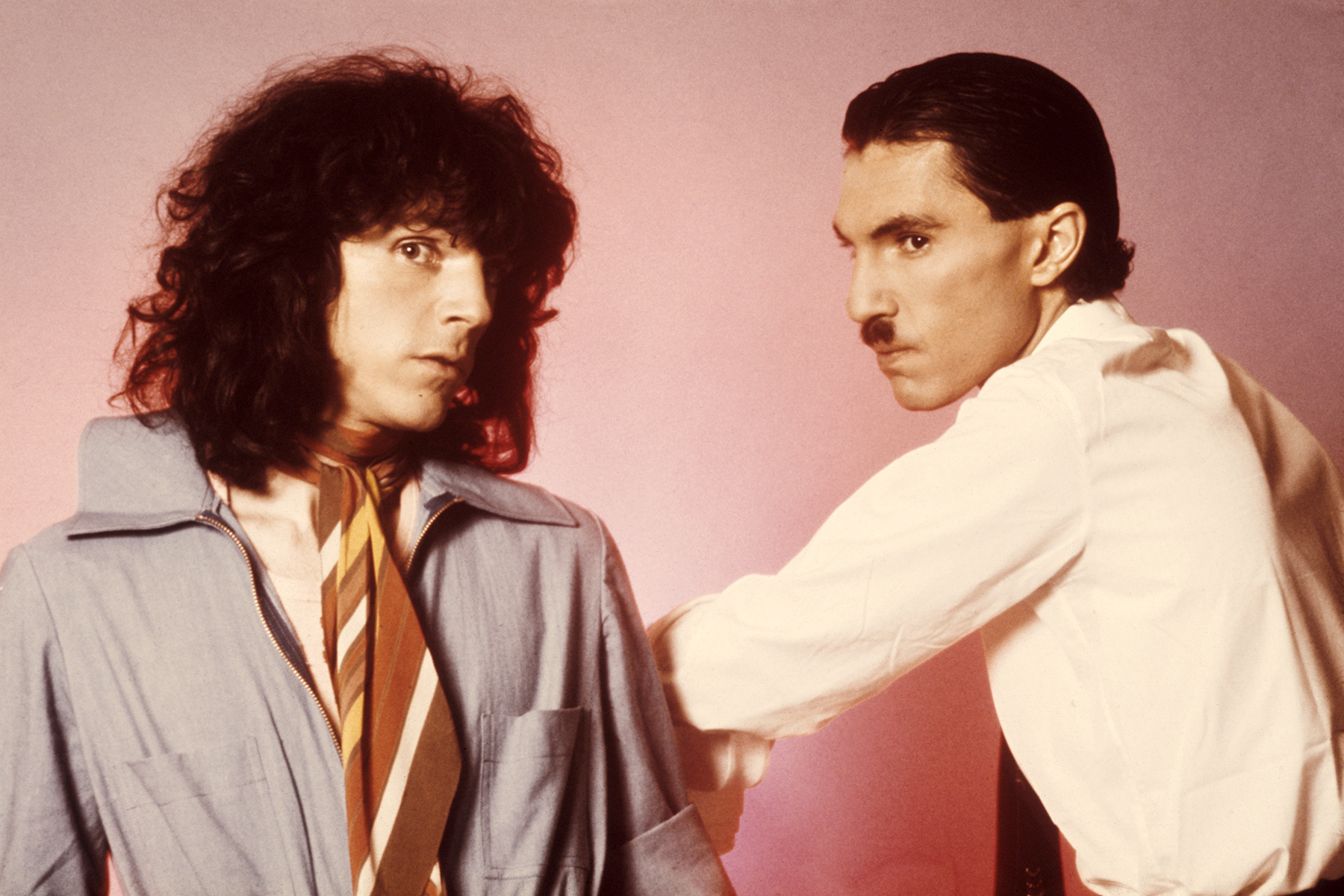
Picture this. It’s 1973 and I’m sitting at home watching Top of the Pops, which, when I think about it, is pretty much all I ever did in 1973. And then, quite without warning, up pops a band called Sparks and they’re really, REALLY weird. The keyboard player is a mop-headed energetic hunk, while his older brother sits motionlessly at a keyboard looking like a villain from a Buster Keaton movie. The song, of course, is This Town Ain’t Big Enough for the Both of Us, and it isn’t like anything I’ve ever heard before. The next time I see my mates (we’re in a band, obviously), we’re all like, ‘Did you see those guys on TOTP? What the fuck was that?’

And from there, Sparks pretty much disappeared off my radar. I assumed that they’d packed it in, called it a day, broken up because of ‘musical differences.’ But, as it turned out, they hadn’t.

Over a fifty year career, they kept right on going, creating their idiosyncratic music and releasing new records every so often, some of which were acclaimed, others perceived as abject failures. Though their backing musicians changed, the core duo of Ron and Russell Mael remained intact. Over those years, it turns out, they picked up a legion of fans, many of them musicians themselves and one of whom was the film director Edgar Wright. When Wright asked, ‘Why has there never been a film about Ron and Russell Mael?’ he repeatedly met with a baffled silence. So, eventually, he decided to make one himself.

And here’s the result: a forensic (and, it has to be said, lengthy) study of the Sparks phenomenon, featuring interviews with a whole horde of musicians, writers, comedians and movie makers, all of whom, unlike me, kept watching and listening to Sparks, and many of whom are all too ready to admit that they were greatly influenced by the band. (One of them, Todd Rundgren, who produced their first album when they were known as Half Nelson, is surely a man who deserves this kind of documentary treatment all to himself, but I digress.)

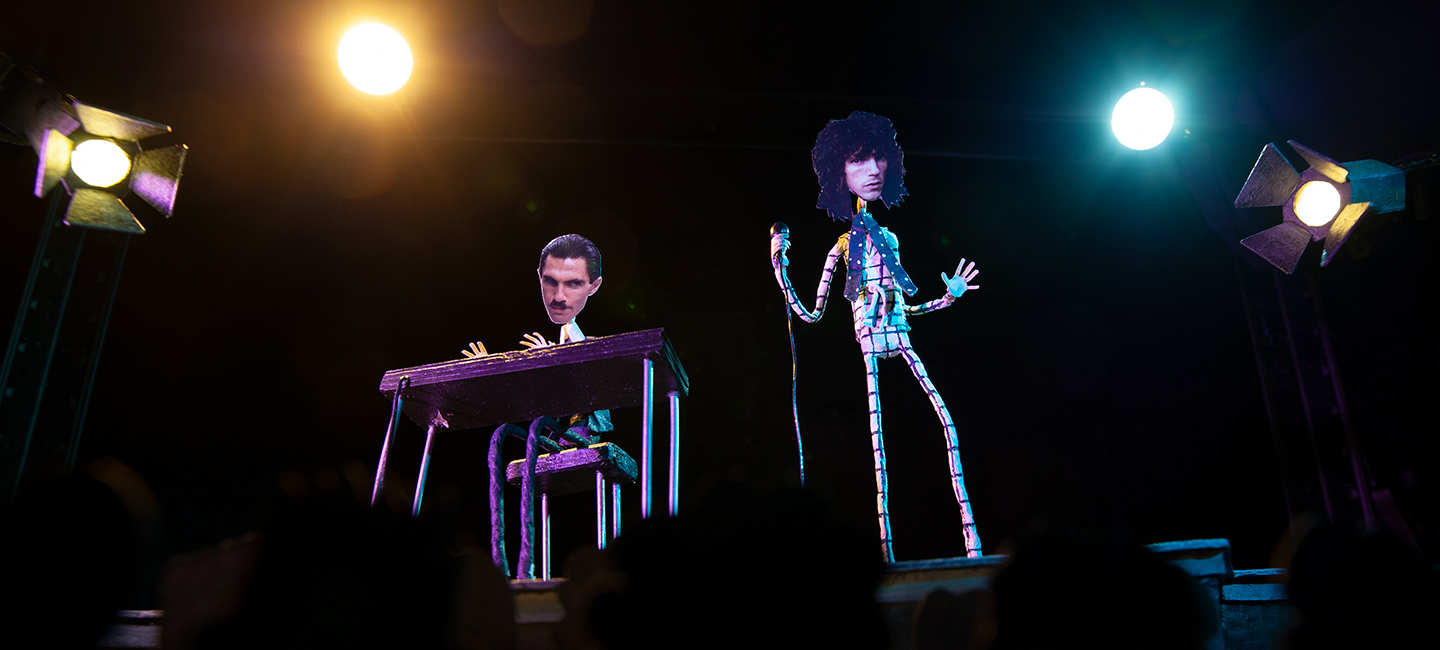
The Sparks Brothers is fascinating in many ways. For one thing, it pretty much eschews the main thrust of your average rock doc, which is to get under the skin of its subject and break down any enigma that might have been there. Somehow, Ron and Russell emerge from this film every bit as enigmatic as they were before. All we really learn about them is that they are workaholics. Wright deals with every single album release over two-hours-and-twenty minutes, and we get to see the two men age as their story unfolds, but Wright’s magpie-like approach (using documentary and newsreel footage, stop frame animation, montage and interviews) means that the film never overstays its welcome. The sad truth about the Maels seems to be that they steadfastly refused to stand still. If they’d made slight variations on their successful third album, Kimono My House, they’d doubtless have been filling stadiums worldwide. But, as Oscar Wilde observed, versatility is a curse, and it is their very need to keep reinventing themselves that has ultimately limited their appeal. But it’s not just about keeping their fans happy. As many musicians admit here, they were a massive influence on their peers, Ron’s synth-based riffs being ‘borrowed’ from everyone from Erasure to Duran Duran.

It seems like an auspicious time to bring the Maels back into the limelight, with their Leos Carax-directed musical Annette due to arrive in cinemas sometime soon – and promising to be every bit as eccentric as the Maels themselves. Until then, The Sparks Brothers is well worth your time.

Of course it will help if you’re already a fan, but really, you don’t have to be.

4.4 stars

Philip Caveney