Die My Love

If I Had Legs I’d Kick You

02/03/26

The Cameo, Edinburgh

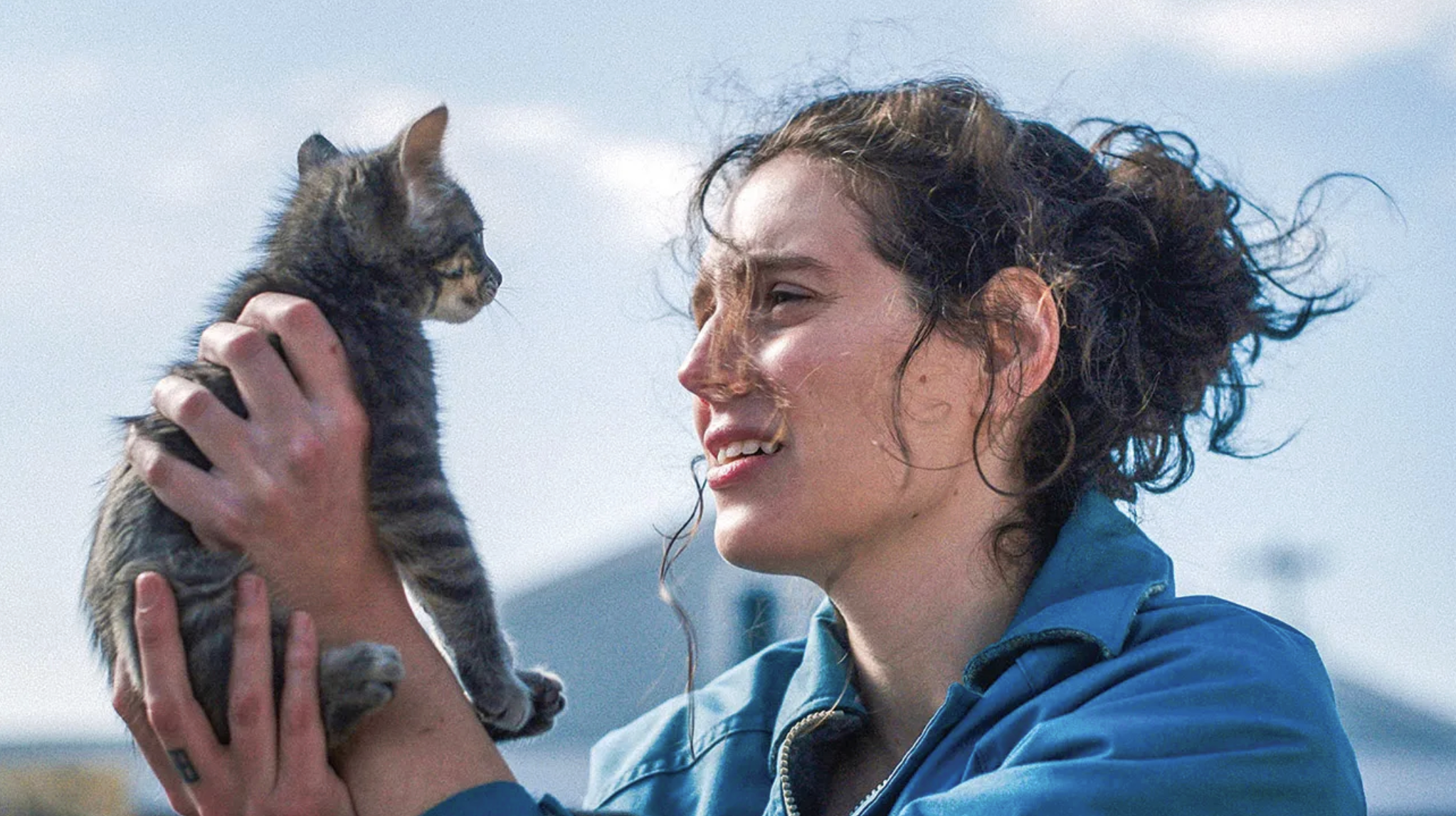
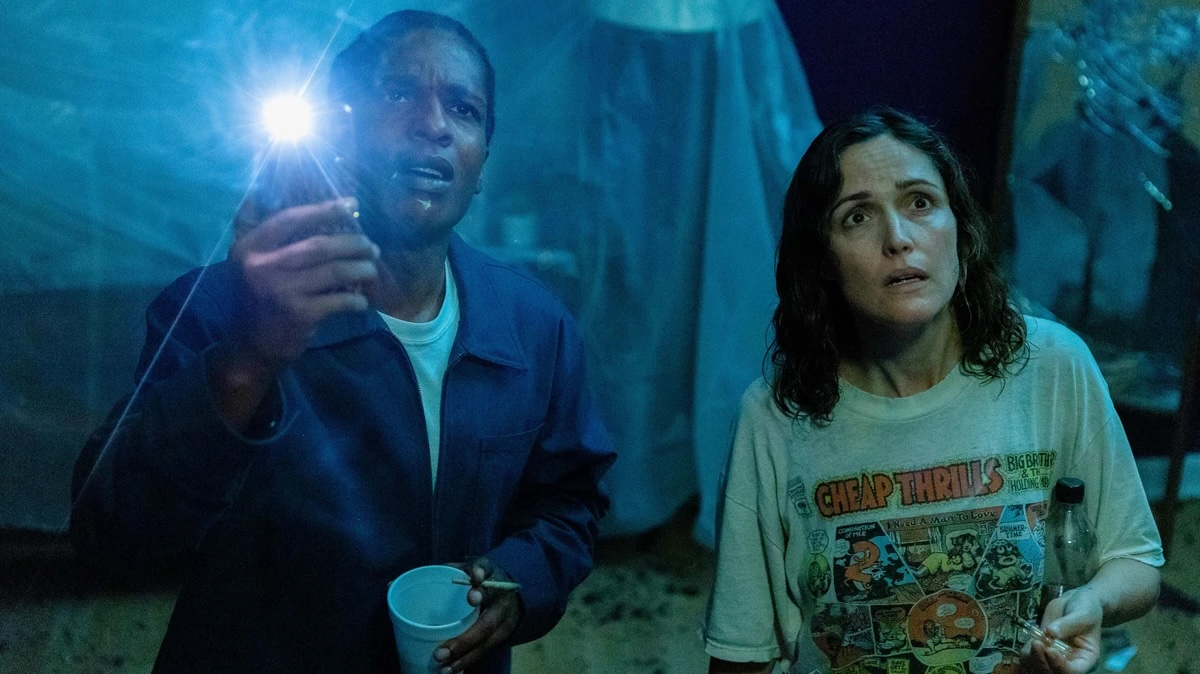
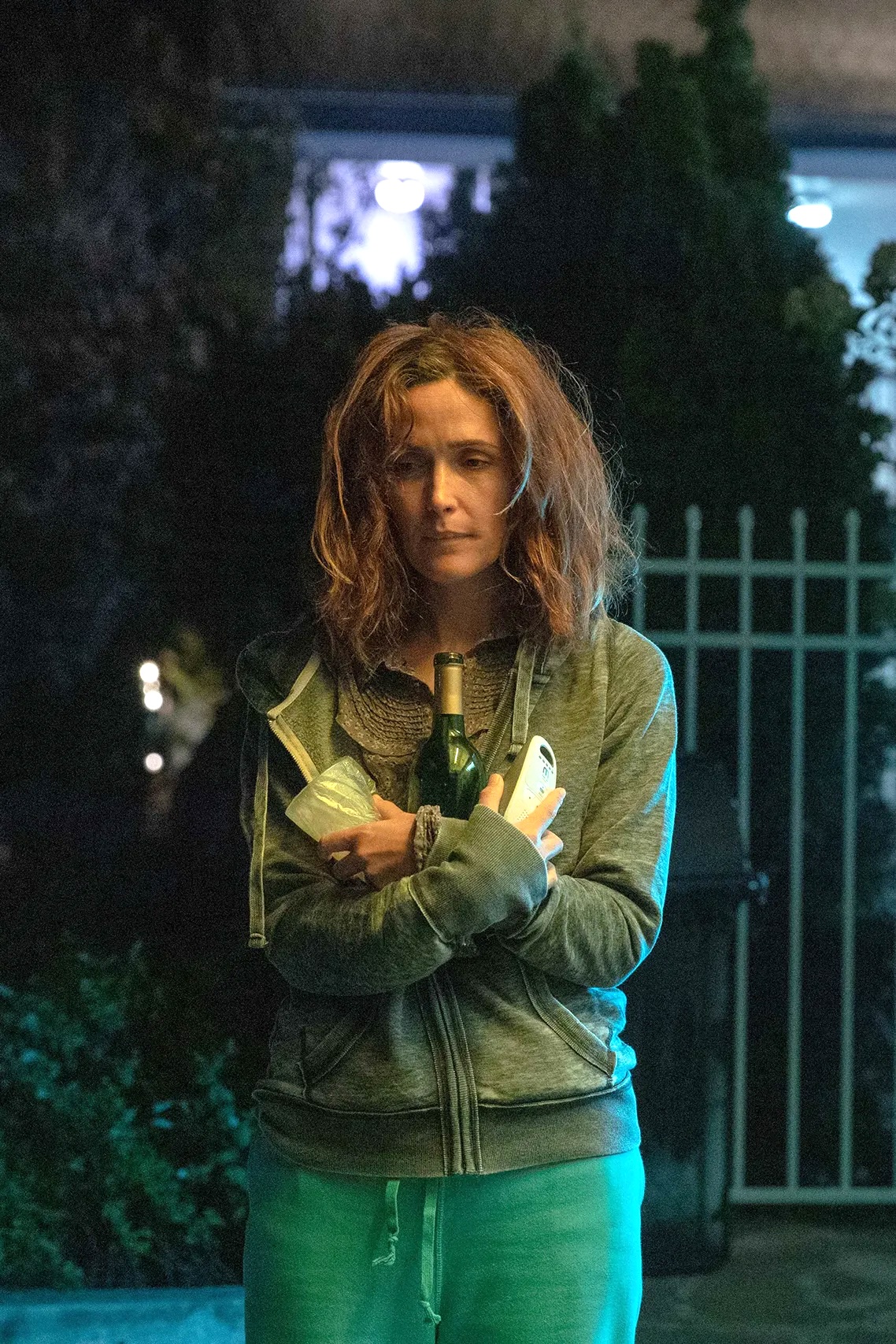
Her child is sick and Linda (Rose Byrne) can’t cope. Caring for her daughter (Delaney Quinn) is a full-time job – and she has an actual full-time job as well. Throw in an absent husband (Christian Slater), a judgemental doctor (writer/director Mary Bronstein) and a gaping hole in her bedroom ceiling, and it’s no surprise that Linda is tired, snappy and a little too reliant on wine and weed.

The child has an unspecified eating disorder and has been fitted with a feeding tube. (In an audacious directorial decision we never get a proper look at the girl, but it really works – this isn’t her story.) Linda’s paediatrician insists that she should attend parents’ meetings, where a group of mothers (no fathers in sight) are exhorted not to blame themselves for their children’s conditions. With no sense of irony, Dr Spring follows the meeting by telling Linda that her child is “failing,” that Linda doesn’t have the right attitude and, essentially, it’ll be her fault if the treatment doesn’t work.

Meanwhile, Linda’s husband, Charles, can’t help because he’s working away, but that doesn’t stop him from phoning to hector her. She should make the most of staying in a hotel, he says, implying it’s a holiday, but why hasn’t she chased up the contractor who’s supposed to be fixing the apartment? Why isn’t the child gaining weight? Why has Linda left the child alone to go shopping? Why hasn’t Linda answered his texts? Why, Linda? Why?

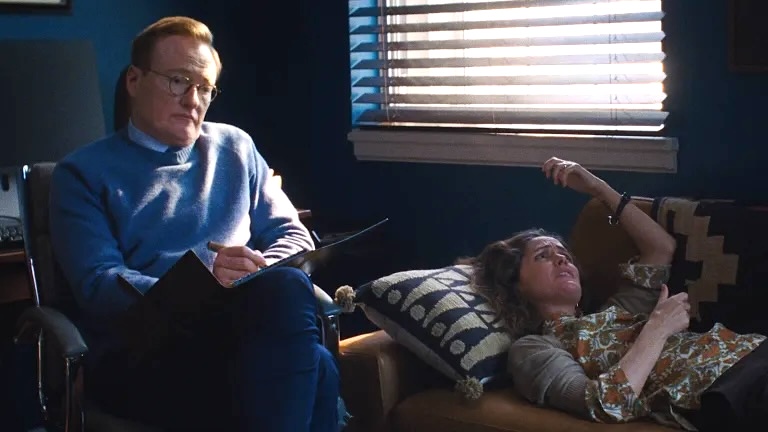
Her therapist (Conan O’Brien) isn’t much use either. Linda’s a therapist too, with an office down the hall from his, and his impassive responses rile her. She knows the tricks of the trade and is frustrated that he won’t transgress, won’t relieve her of responsibility by simply telling her what to do. When one of Linda’s own patients, a young mother with post-partum depression (Danielle MacDonald), abandons her baby in Linda’s office, it’s the final straw. Linda has reached her limit.

Almost a companion piece to Lynne Ramsey’s Die My Love, Bronstein’s movie is a searing indictment of a system that sets mothers up to fail, that overloads them with responsibility but provides no safety nets. Byrne’s portrayal of Linda’s mental decline is devastating: she loses all confidence in every area of her life, no longer capable of functioning as mother, therapist, wife or friend. Even her putative relationship with her hotel neighbour, James (A$AP Rocky), proves shallow and unreliable, prompting her to turn even further in on herself. The world is hostile and everyone is an enemy. In the end, there’s only one way out…

Linda’s disintegration is magnified by cinematographer Christopher Messina’s use of light: the gold flashes that dance in her periphery; the dreamscapes that veer between illusion and reality. The hole in the ceiling looms ever larger over Linda’s head, a great big gaping metaphor for a woman on the edge.

Byrne’s towering, nuanced performance makes her a worthy Oscar contender (although I’m still backing Jessie Buckley for the win). Meanwhile, this intense, emotional movie certainly seals Bronstein’s reputation as one to watch.

4.4 stars

Susan Singfield
Film Bouquets 2025

2025 has been a rewarding year for cinema-goers, with enough great movies to make it especially difficult to narrow our list down to just twelve favourites. But here they are in the order that we watched them. As ever, we invite you to pitch in with your comments.

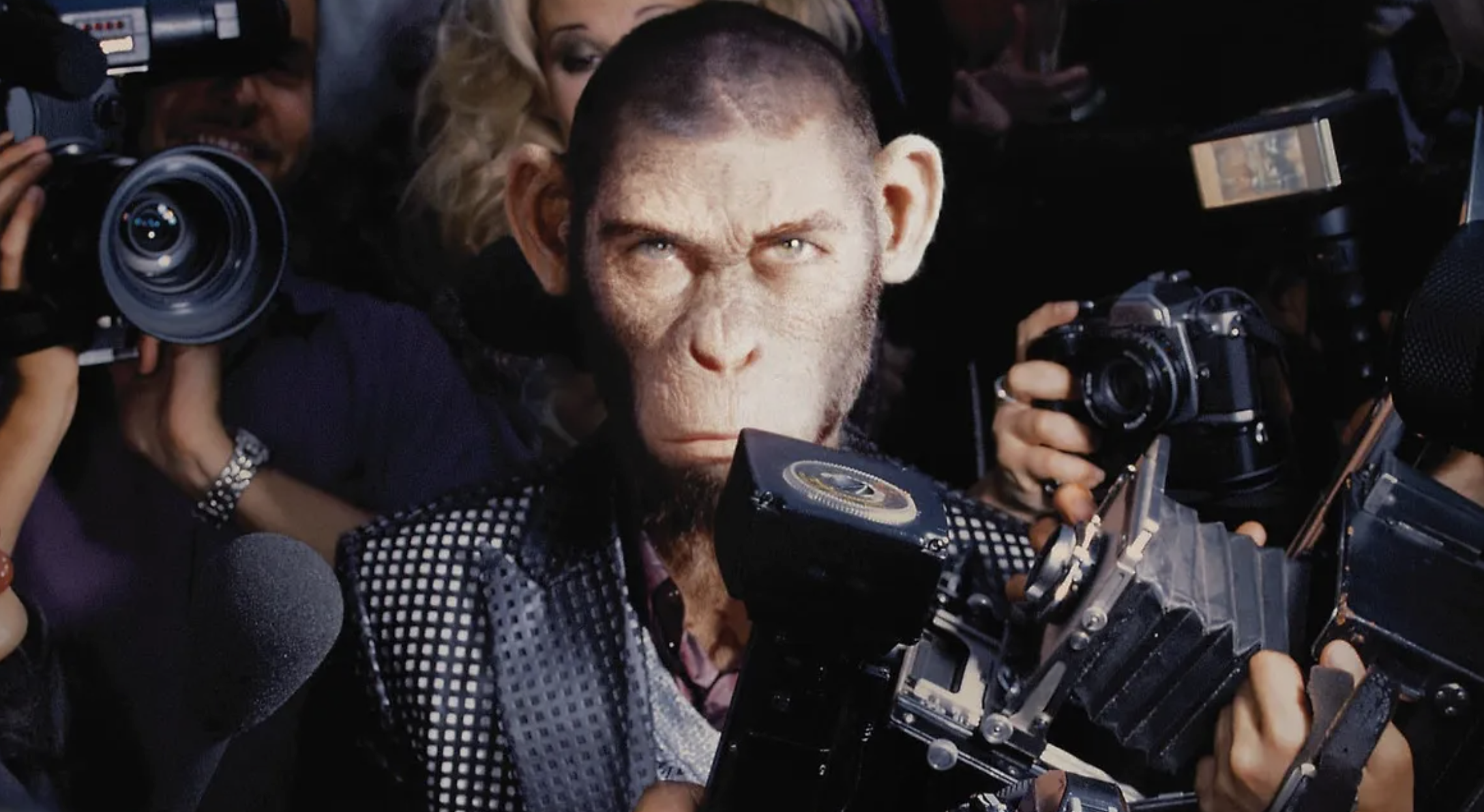
Better Man

“A fabulous piece of filmmaking that effortlessly oversteps the relative simplicity of its subject to create something genuinely spectacular…”

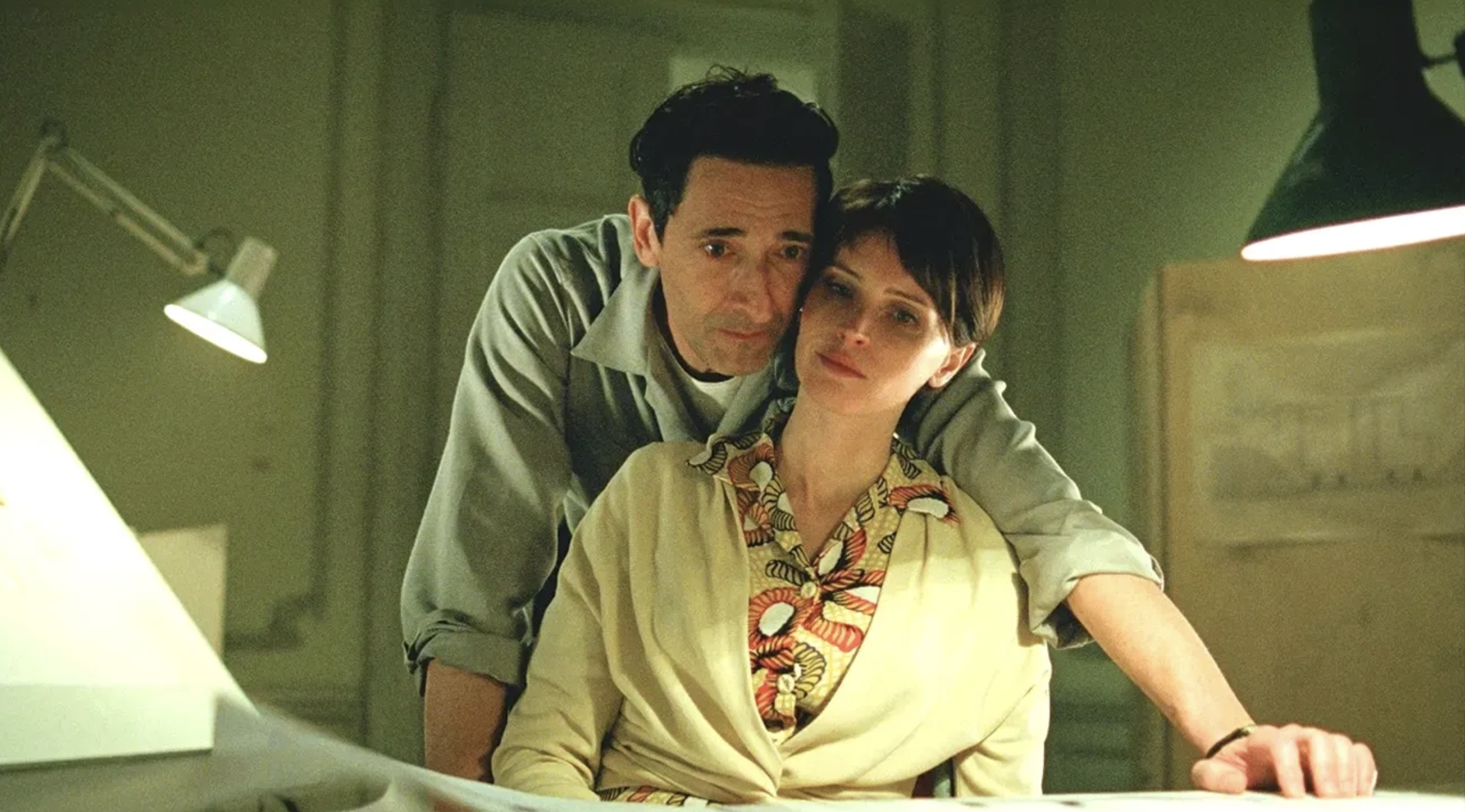
The Brutalist

“Has plenty to say about the creative process and nails perfectly the powerful seduction that success offers to any artist – the fateful allure of patronage and its unpalatable compromises.”

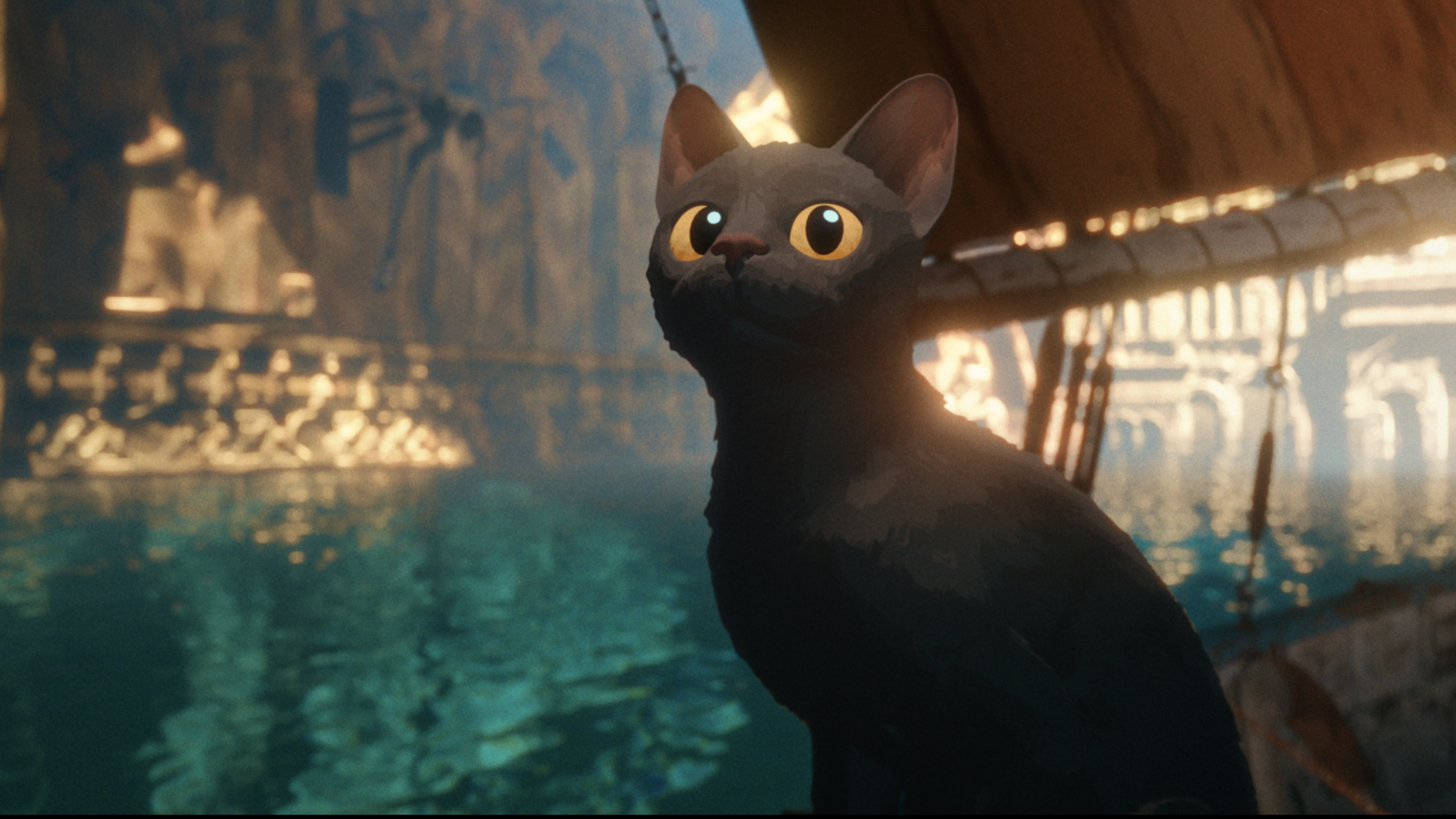
Flow

“The word ‘masterpiece’ is overused but this groundbreaking animation by Latvian director Glints Zilbalodis is so accomplished, it’s all too easy to see why it was handed an Oscar.

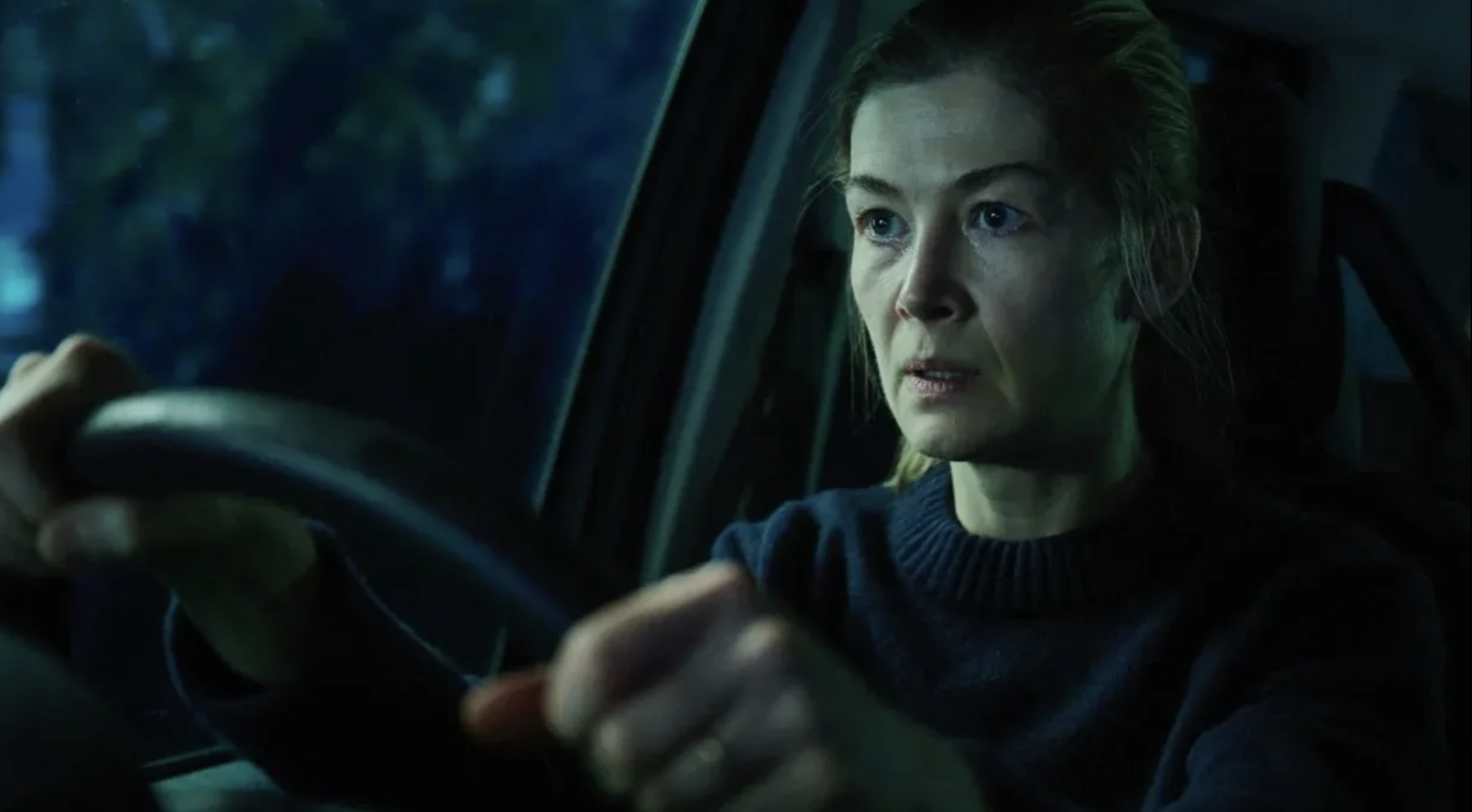
Hallow Road

Hallow Road ticks all the boxes, amping up the suspense with every passing mile, until I am almost breathless with anxiety…”

28 Years Later

“There are elements of folk horror woven into the script and the eerie atmosphere is beautifully accentuated by the music of the Young Fathers and the use of an old recording of Rudyard Kipling’s militaristic poem, Boots…”

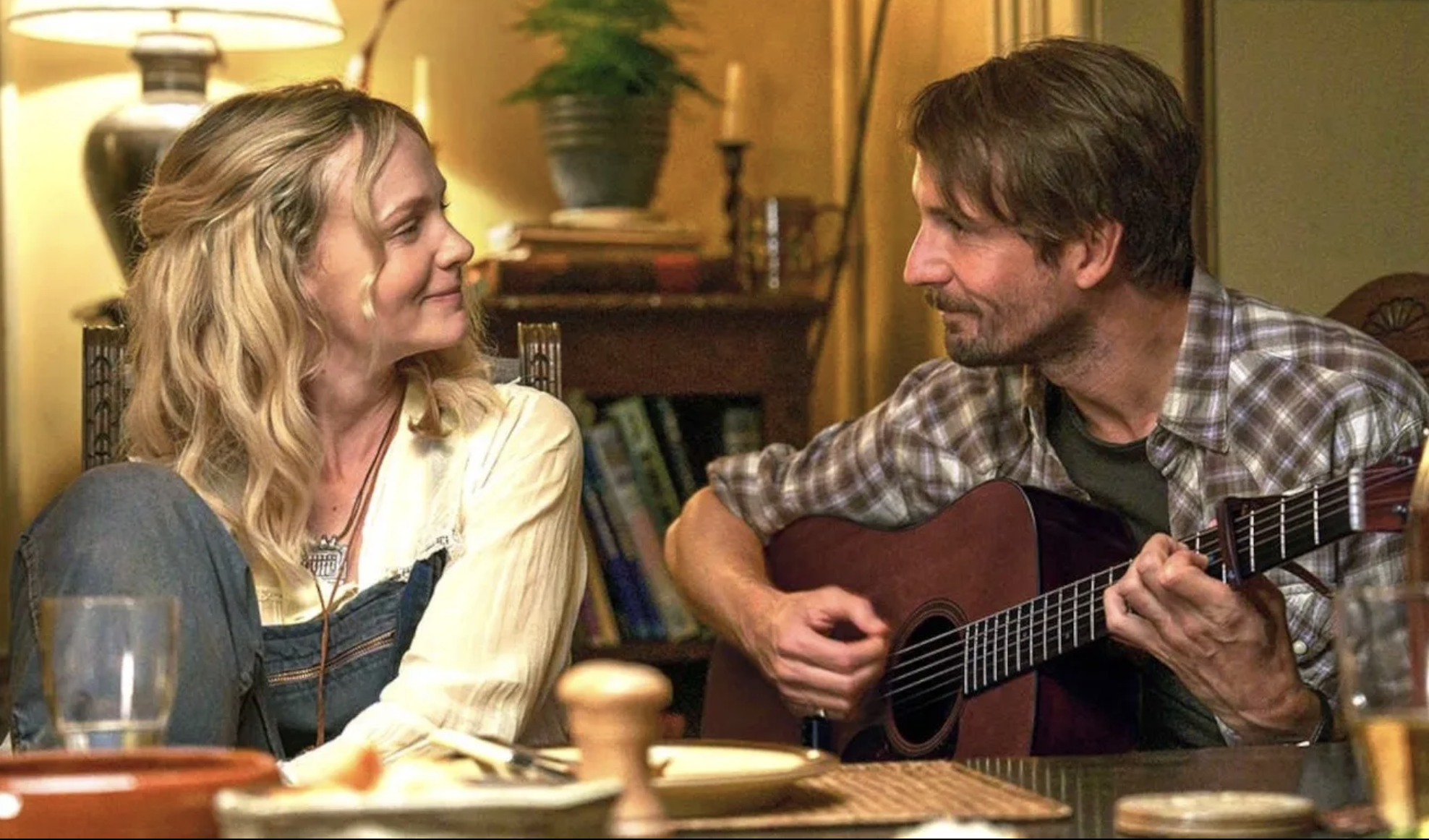
The Ballad of Wallis Island

“A warm, gentle hug of a film, one that takes a long look at the subject of relationships and the many ways in which memories can still affect people long after an initial attraction has gone…”

Weapons

“An absolute smorgasbord of delights, by turns poignant, tense, bloody and, in its later stretches, darkly comic…”

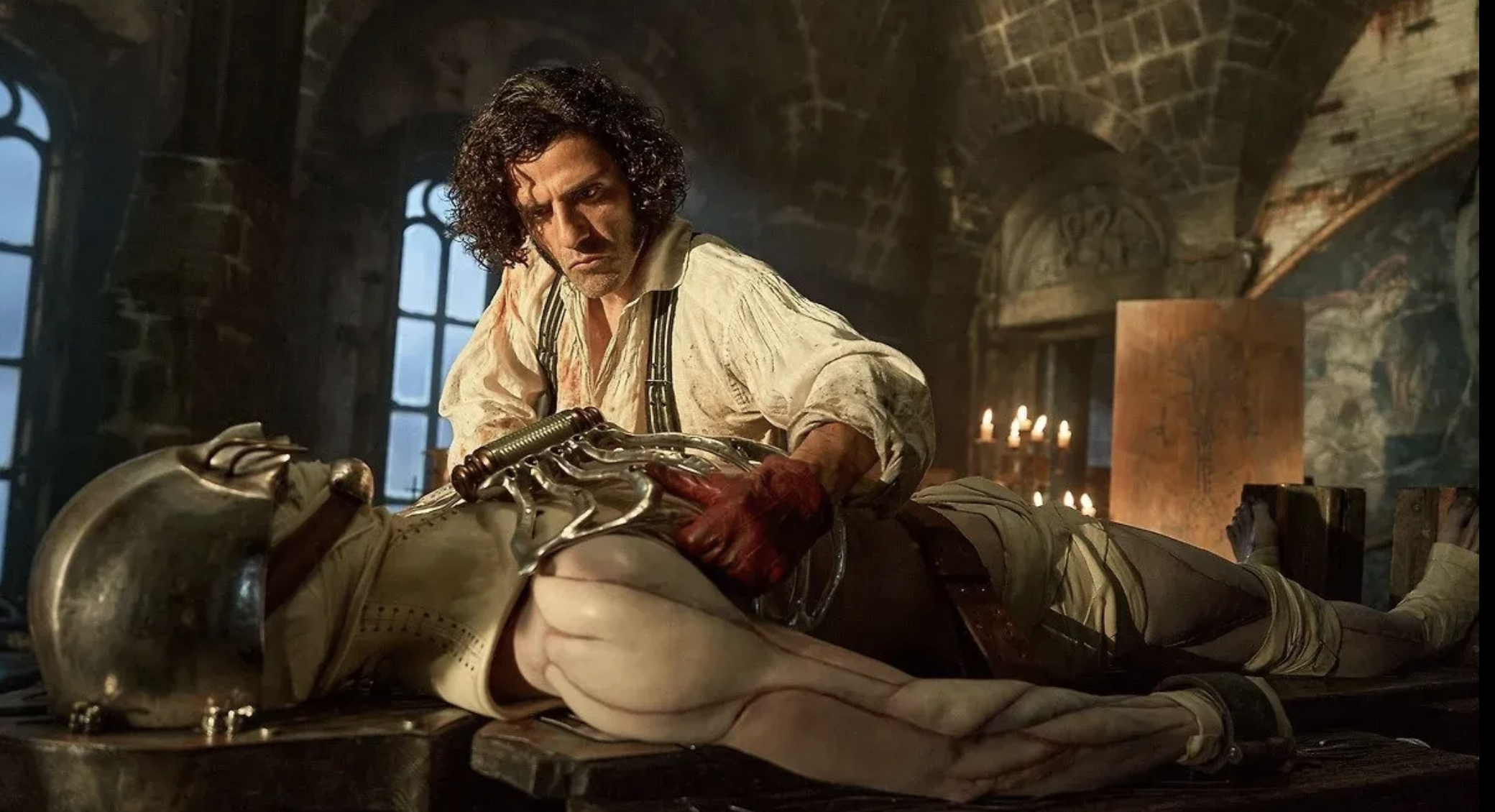
Frankenstein

“Packed with sumptuous locations and thrilling action set-pieces, that have it hurtling through its lengthy running time…”

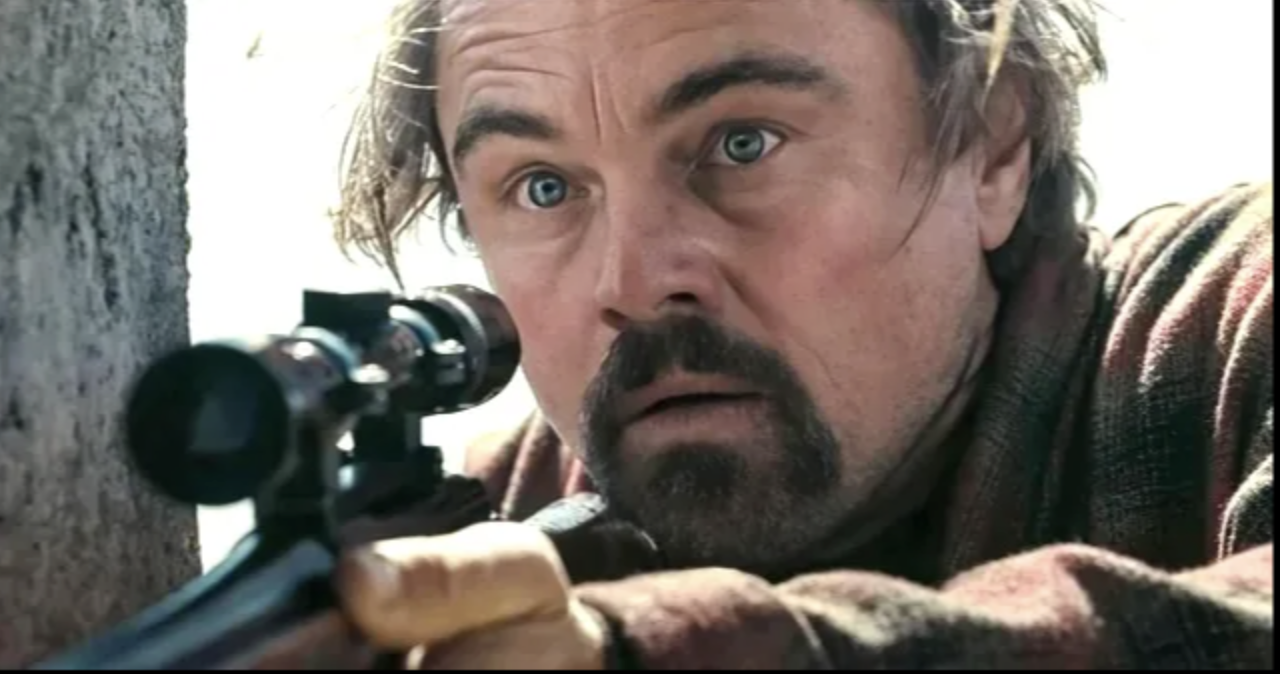
One Battle After Another

“Even the car chase is given a mesmerising makeover, as vehicles glide silently through a shimmering waterfall of desert roads like some kind of LSD-induced hallucination…”

Sorry, Baby

“Film-making of the highest order, assured and nuanced, highlighting the myriad moments that mark Agnes’s darkest hours as well as their recovery…”

Die, My Love

“This unflinching study of a woman’s postpartum psychological breakdown is as compelling as it is harrowing – and Jennifer Lawrence is frankly wonderful in the lead role…”

Bugonia

“The film’s true triumph is only revealed in a final extended sequence, where Lanthimos brings all the different strands of the story together to create a shattering, thought-provoking conclusion…”

Philip Caveney & Susan Singfield

Die, My Love

16/11/25

Filmhouse, Edinburgh

Die, My Love, based on Ariana Harwicz’s acclaimed novel, is another irresistible movie from Scottish director, Lynne Ramsay. With a script by Ramsay, Enda Walsh and Alice Birch, this unflinching study of a woman’s postpartum psychological breakdown is as compelling as it is harrowing – and Jennifer Lawrence is frankly wonderful in the lead role.

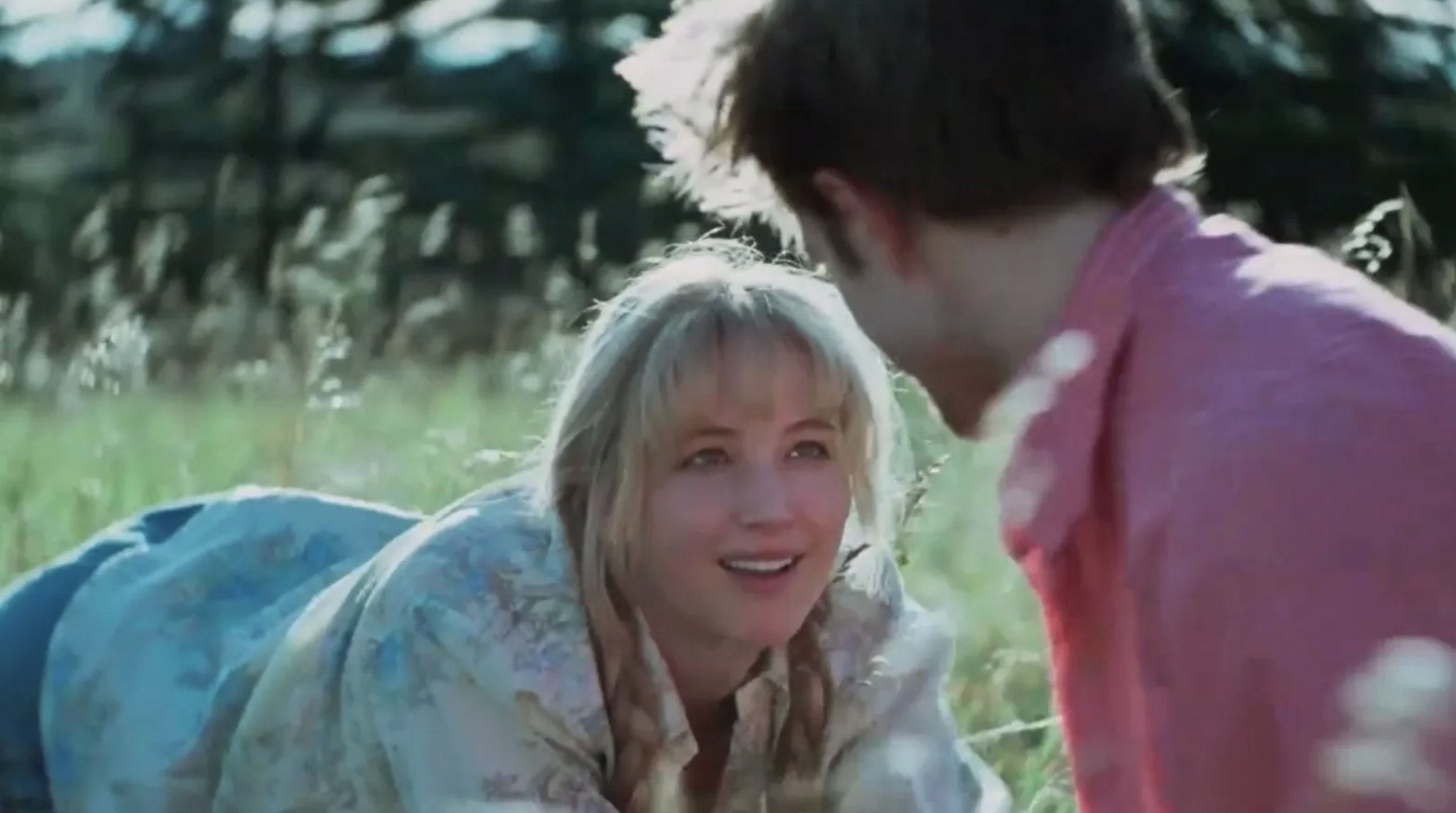
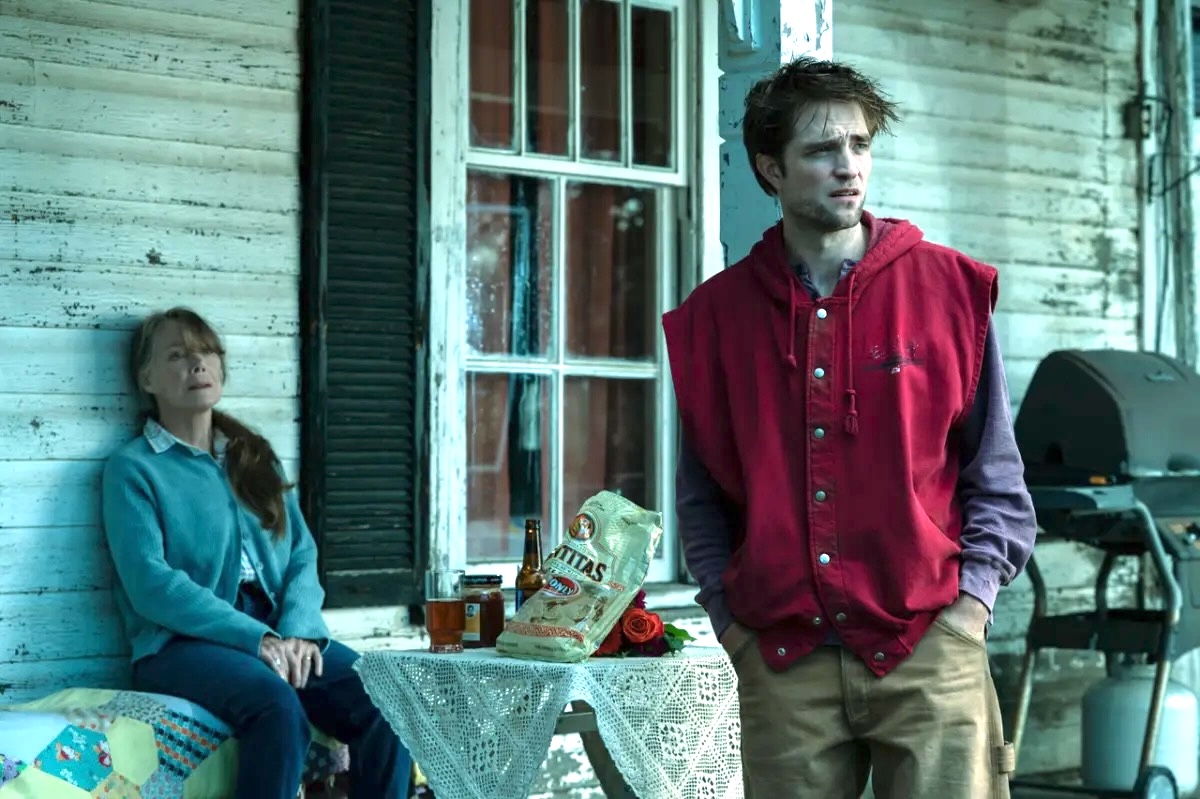
Grace (Lawrence) and Jackson (Robert Pattinson) are expecting their first baby and, in preparation for this new chapter of their lives, they move into Jackson’s deceased uncle’s house. They’re not fazed by the piles of leaves in every room, the old-fashioned decor or even a minor rat infestation: they’re young, excited and in love. They’ll make it work.

But once Grace gives birth to Harry, the spark between her and Jackson dies. She’s stuck at home: bored, resentful and unable to cope. Jackson’s job means that he can escape from the oppressive confines of their isolated house, but Grace’s work is writing; it doesn’t get her out and she can’t focus on it anyway. “I don’t do that any more,” she says.

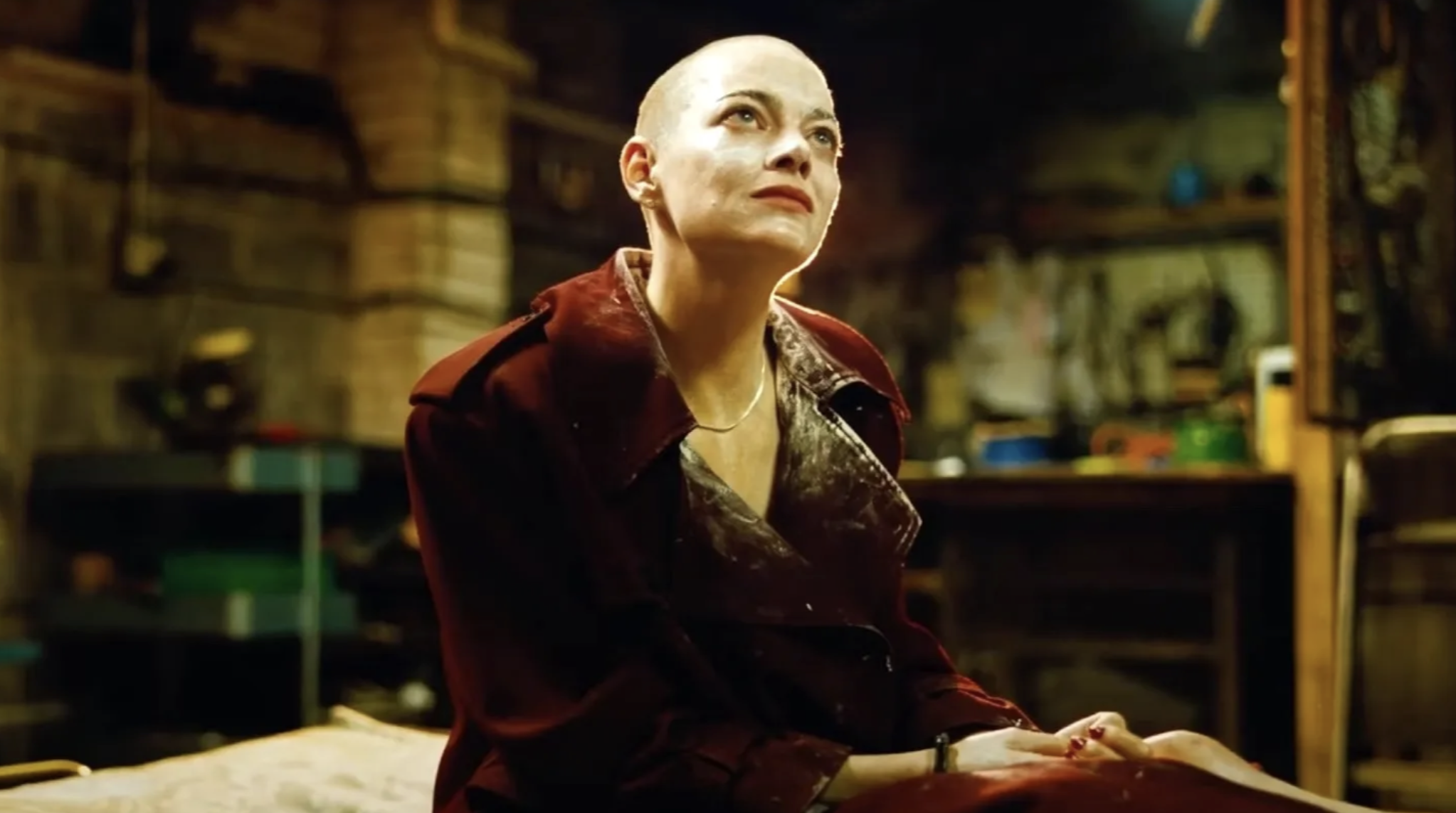
She loves her baby but she feels trapped and abandoned. Jackson never wants to have sex with her any more, although the box of condoms in his car seems to be getting lighter by the week. She refuses to be just Harry’s mother: why can’t she also still be Grace-the-writer, Grace-and-Jackson, Grace-the-wild, the-impulsive, the-let’s-have-fun? With only Jackson’s bereaved mother, Pam (the fabulous Sissy Spacek), for company, Grace’s mental health begins to deteriorate, her behaviour becoming ever more erratic and dangerous.

Ramsay’s film is undoubtedly dark, but it’s bleakly funny too. Grace’s blunt responses to the platitudes she’s offered often fall into the “things-we-all-wish-we-could-say-but-can’t” category, and – if it weren’t for all the damage they cause – her devil-may-care actions are almost inspirational. I feel sorry for both Grace and Jackson, a couple trapped in a relationship that no longer works, dragging each other down in their attempts to meet society’s expectations of them. “Let’s get married,” says Jackson in desperation. Maybe a wedding is the glue they need to stick them back together?

Or maybe not…

More than anything, this movie reminds me of Charlotte Perkins-Gilman’s The Yellow Wallpaper; indeed, there are several overt references here to the 19th century short story, not least in Grace’s frantic stripping of the heavily-patterned wallpaper with her fingernails, or her crawling through the long grass just like Perkin-Gilman’s “creeping woman”. It’s not just the remote house and the remote husband, nor even the medicalisation of female emotions or the retreat into a fantasy world. More than any of that, it’s the mind-numbing boredom of the protagonist’s existence, and her refusal to accept this as her lot.

A real contender for my film of the year, Die, My Love is a bravura piece of movie-making: stark, beautiful and as uncompromising as its heroine.

5 stars

Susan Singfield