
Daryl McCormack

Twisters

17/07/24

Cineworld, Edinburgh

If ever I were asked to compile a list of the least eagerly anticipated movie sequels, Twisters would figure fairly high on it. After all, though Jan De Bont’s original was a commercial hit back in 1996, it has receded from public consciousness. The only image I can recall from it is a sequence featuring an airborne cow. But Lee Isaac Chung’s sequel has been co-financed by no less than three big studios and is executive-produced by Steven Spielberg, so clearly somebody has high expectations of it.

Twisters stars Daisy Edgar Jones as Kate Carter, an impetuous young meteorologist with the uncanny ability to ‘sniff out’ tornadoes before they actually happen. (Yes, really.) Along with boyfriend Jeb (Daryl McCormack) and a bunch of enthusiastic friends, including Javi (Anthony Ramos), she drives around Oklahoma in a ramshackle truck, chasing twisters – not for kicks, but to collect data for her PhD project.

Which is all great fun, until something bad happens.

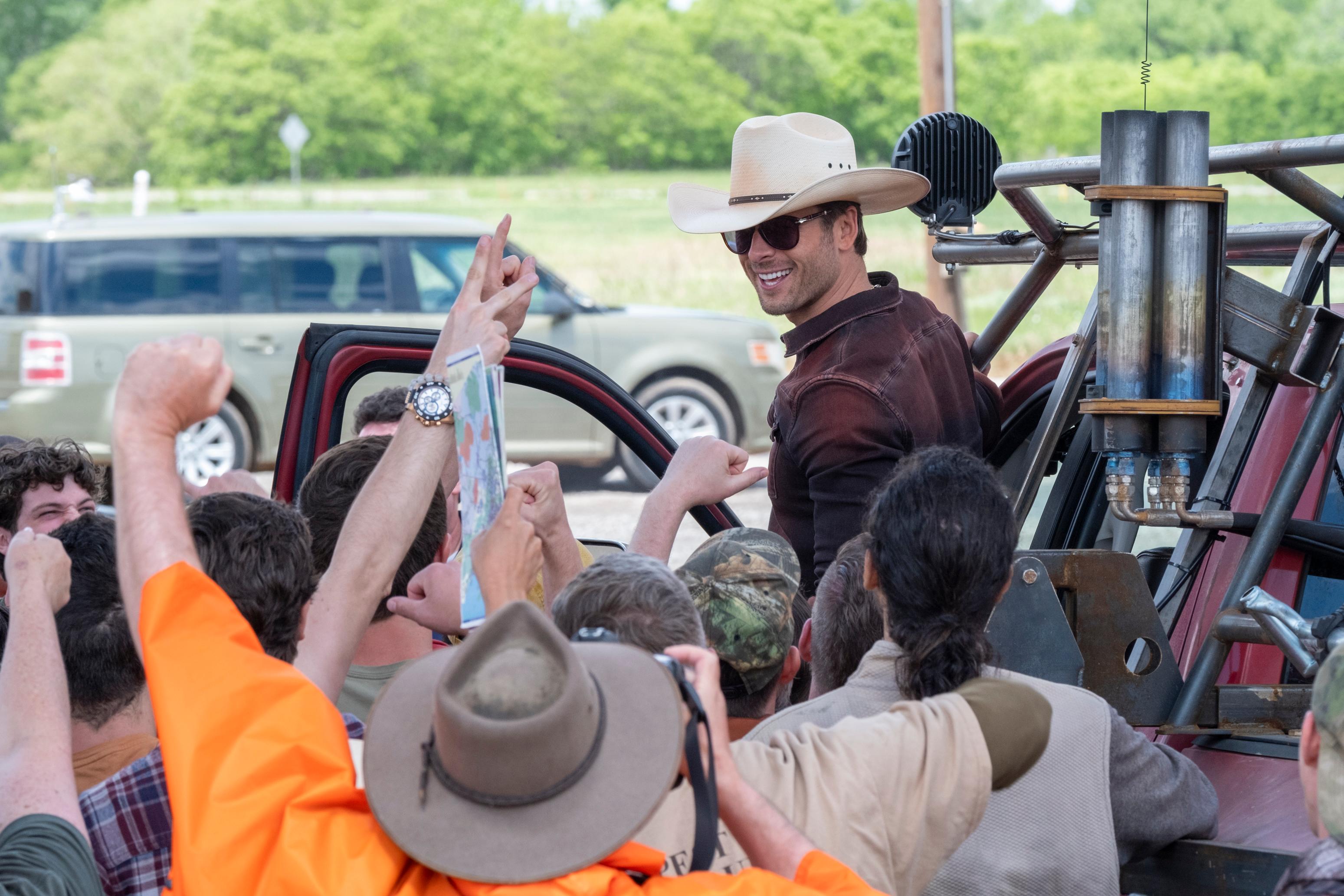
Five years later, she’s working in an office in New York, wearing a sensible suit and being very risk averse. She’s approached by Javi, who has recently been in the military and now has access to some state-of-the-art tech which will allow him to capture tornado data as it’s never been done before. Would Kate like to spend a week with him, helping him reap the whirlwind? Pretty soon, she’s back in action and running with a whole crowd of action-seekers, including Tyler Owens (Glen Powell), a redneck heartthrob with a huge online following and T-shirt sales to go with it. As he is fond of saying, “You don’t chase your dreams, you ride them.” Inevitably Kate and Glen find themselves bumping up against each other and, equally inevitably, sparks begin to fly…

Essentially, Twisters is a big-budget action romp, with a massive special effects budget, some eye-popping cinematography courtesy of Dan Mindel and, if I’m honest, not a great deal else. It’s a series of thrills and spills, featuring people who survive and others who do not. Every so often characters mumble stuff about the different chemicals that they’re pumping into the tornadoes in an apparent attempt to er… snuff them out? At least, I think that’s what they’re trying to do. I’m not sure how much scrutiny the technical side of this film can withstand.

Really, it’s just an excuse to throw people into a series of action set-pieces and make an audience worry about what’s going to happen to them. Since the unfortunate victims who lose the gamble are whisked away in an instant, there’s are no horribly mangled corpses to bother the 12A certificate. And, unlike its predecessor, Twisters does at least have the honesty to address the destructive nature of storms. Yes, there’s the occasional grudging references to global warming and climate catastrophe, but it all feels a little disingenuous.

There’s also a ‘will they won’t they?’ question overhanging Kate and Tyler throughout proceedings but, rather like those storm-related deaths, it’s all kept offscreen. Nothing to frighten the horses.

Don’t get me wrong, this all makes for an entertaining couple of hours in the cinema, but when you consider that Lee Isaac Chung’s last film was the brilliant and heartwarming Minari, it’s hard to get too excited about a summer blockbuster, which is full of sound and fury and… well, you know the rest.

3.2 stars

Philip Caveney
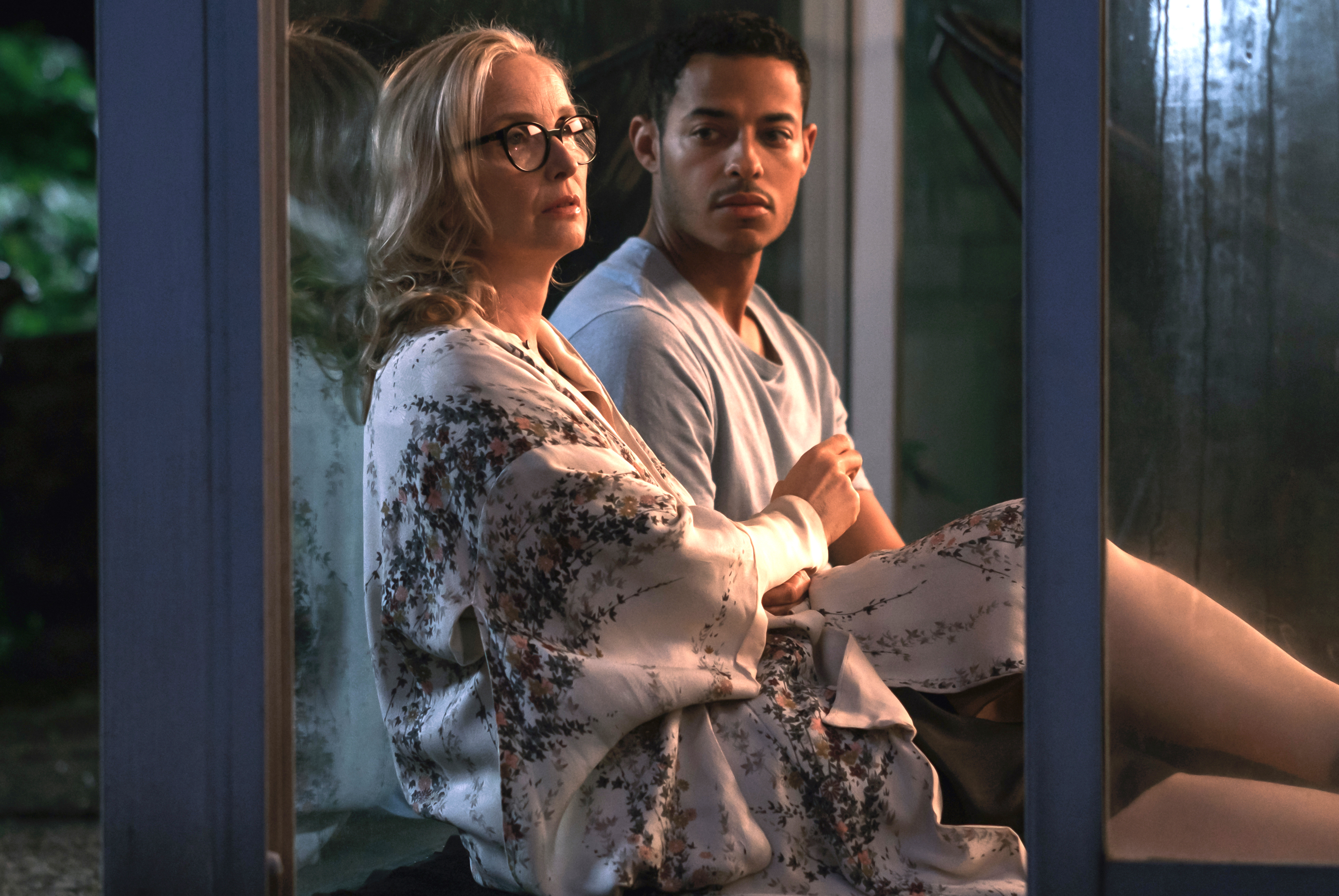
The Lesson

24/09/23

Cineworld, Edinburgh

The Lesson is one of those films that’s hugely enjoyable while you’re watching it, but falls apart when you try to analyse it – a bit like the airport novels its antihero, JM Sinclair, so witheringly disparages.

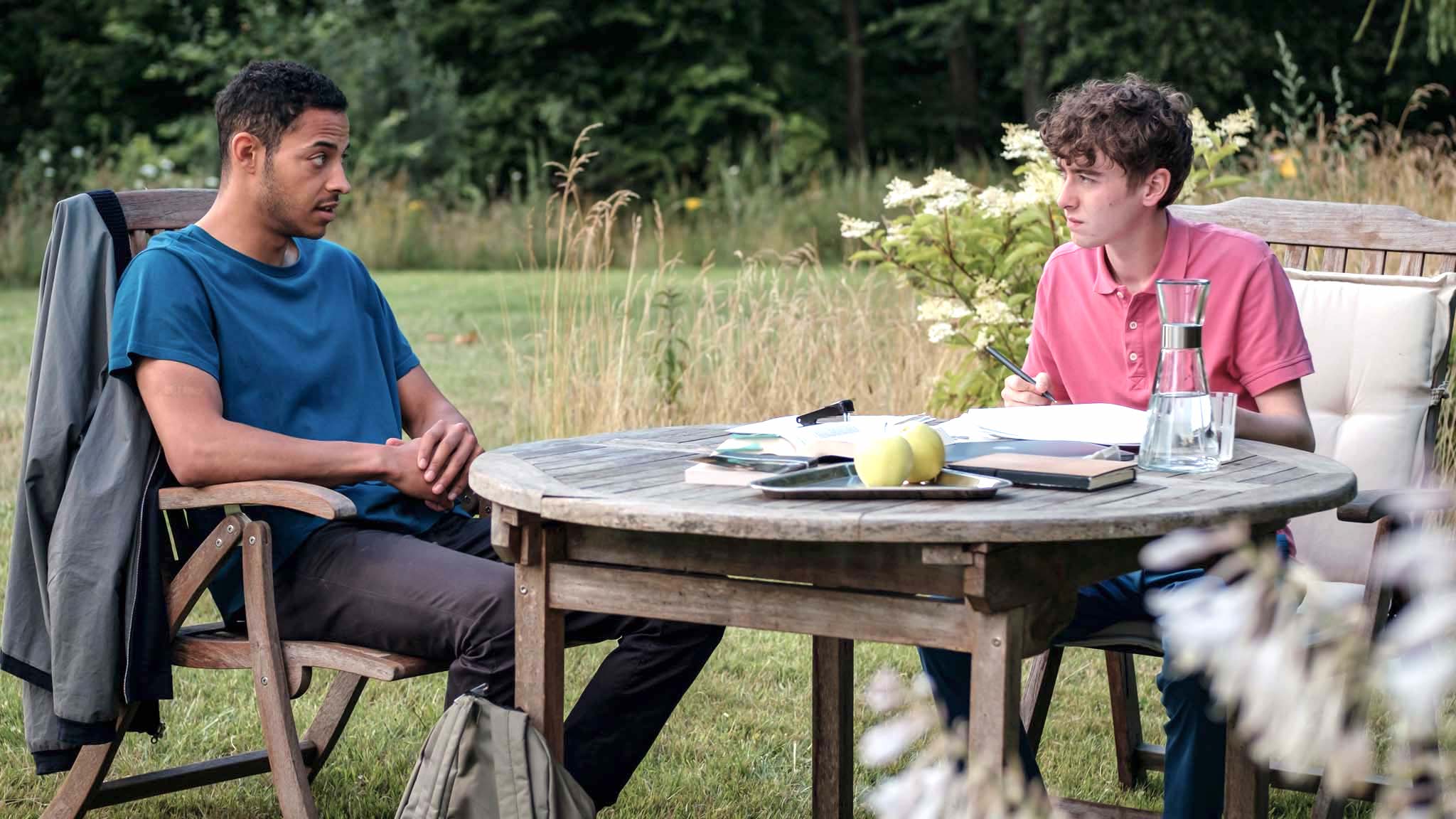
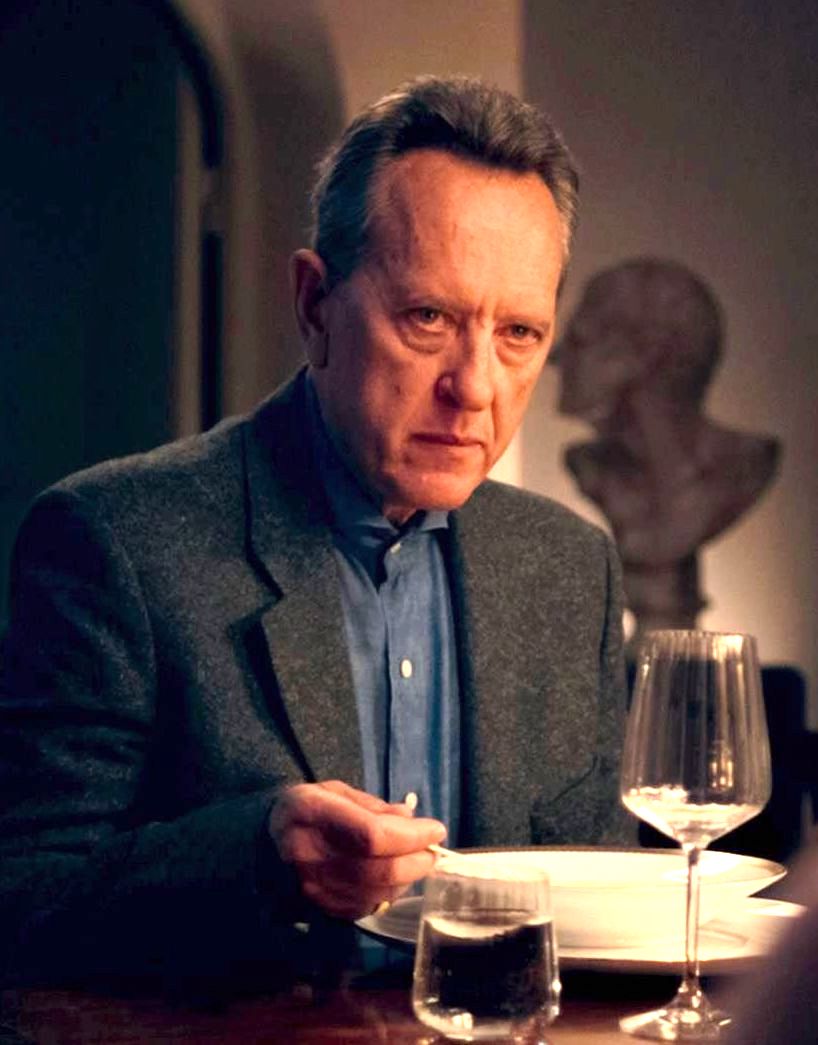
Sinclair (Richard E Grant) is a novelist of some renown – indeed, he is the subject of Oxford graduate Liam (Daryl McCormack)’s PhD thesis – but it’s been five years since he published anything. Since the death of his elder son, Felix, JM has been struggling; he writes daily, late into the night, but he just can’t finish his latest book. Meanwhile, his wife, Hélène (Julie Delpy), is determined that their younger son, Bertie (Stephen McMillan), should get into Oxford to study English literature, a feat which – despite his expensive schooling and obvious intelligence – can apparently only be accomplished by hiring a private tutor.

Enter Liam.

At first, the job seems like a dream come true. The Sinclairs live in the lap of luxury, their large country home filled with impressive artwork and attentive staff. Liam lodges in the guest house, swims in the lake, eats dinner with his idol and gets on well with Bertie; he even has time to finish his own first novel. But JM turns out to be a bruising presence and the family bristles with unhappy secrets; it doesn’t take long for the idyll to sour.

McCormack is a mesmerising screen presence (he surely has a big career ahead of him) and Grant, of course, is never less than interesting. Delpy imbues Hélène with an unsettlingly dispassionate and watchful air, while McMillan plays the innocent very convincingly – so that, no matter what chicanery is exposed, there’s someone we want to see being saved.

Director Alice Troughton does a good job of building the suspense: there’s a genuine sense of threat and the character dynamics are nicely drawn. The script, by Alex MacKeith, has some excellent moments, but also throws up some problems, not least the improbability of Liam’s ability to remember every word he’s ever read, on which the plot hinges. What’s more, although there are some genuine surprises, the main reveal is obvious from very early on, and there are several other details that just don’t ring true.

All in all, although The Lesson has its moments, it doesn’t quite live up to the movie it could be.

3.1 stars

Susan Singfield

Good Luck to You, Leo Grande

27/06/22

Cineworld, Edinburgh

Hmm.

I accept that ‘hmm’ isn’t the most promising of openings to a film review, but it’s the best I can muster for the inelegantly titled Good Luck to You, Leo Grande, directed by Sophie Hyde. It’s possibly the most mixed bag of a movie ever, with lots to admire – but lots to wince at too.

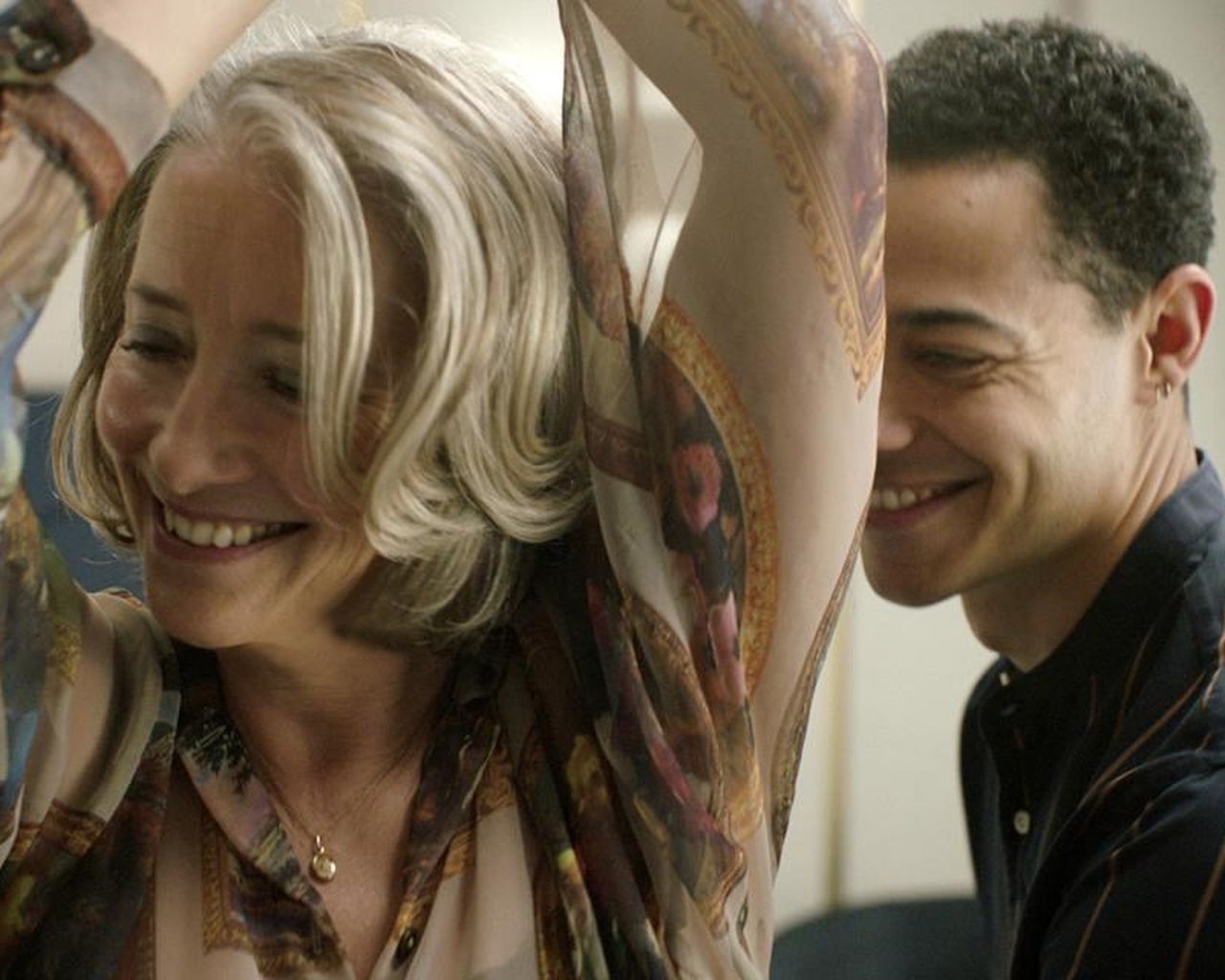
Emma Thompson, of course, falls into the former category. She’s a terrific actor. Here, she’s playing Nancy, a retired widow with a mission: to have an orgasm. A former RE teacher, Nancy has only ever had boring sex with her husband. Now he’s dead, but she’s still alive, and she’s determined not to waste the time she has left. The answer? A sex worker. Enter the titular Leo Grande (Daryl McCormack), purveyor of fantasies at an hourly rate.

But can Nancy let go enough to, well… let herself go?

We find out via a series of encounters, all in the same bland hotel room, although the focus is usually on what happens around the sex – the conversations and revelations that occur as Nancy negotiates the minefield of paid-for physical contact.

Katy Brand’s script is agonisingly funny in places: she nails Nancy’s ‘oh so British’ embarrassment, her tendency to overthink out loud, to chatter her discomfort. Thompson clearly revels in these moments, and – as a character study – the film is a roaring success. It’s also bold in its addressing of an older woman’s sexuality. The tone is set early on, when Leo describes Nigella Lawson as “sexy”. Nancy waits for him to add the obligatory “for her age” but Leo demurs. “She’s empirically sexy,” he says. And, over time, Nancy learns to like her own body too, to stop apologising for her tummy and her saggy boobs, to accept herself the way she is.

McCormack is a relative newcomer, but it seems likely he’s a big career ahead. The camera loves him, and he embodies the role well, slowly revealing the steel behind the soft exterior. “I’m who you want me to be,” says Leo, perfectly fulfilling his contract – but his boundaries are clear, and he’s protective of his ‘real’ self.

There is some attempt to deal with ethical issues, but this feels a little glib. Nancy talks about the essay she used to set her students: ‘Should sex work be legalised?’ She mentions trafficking and violence against female sex workers. Leo tells her her enjoys his work, that he doesn’t want to be painted as a ‘poor little orphan’ to suit someone else’s conscience. They reach an uneasy consensus, agreeing that sex therapy should be available ‘from the council’ (though heaven knows what that would be like). And I know it’s a complex subject, that sex workers often object to being cast as victims, when many of them have agency and choice – and who am I to tell them that they’re wrong – but I don’t think this gives us carte blanche to ignore the exploitation and misery that undeniably exists as well. And Leo is so very clean-cut that the whole thing appears curiously unsexy, so wholesome that it seems to be in denial about the gritty physicality involved. This version of sex work is not so much glamourised as defanged.

So, ‘hmm’ it is. I enjoy watching Leo Grande but I’m unconvinced by it. And if you’re a teacher? Maybe don’t tell your ex-pupils about your sex life. It’s not empowering; it’s just weird.

3 stars

Susan Singfield