Cameo

If I Had Legs I’d Kick You

02/03/26

The Cameo, Edinburgh

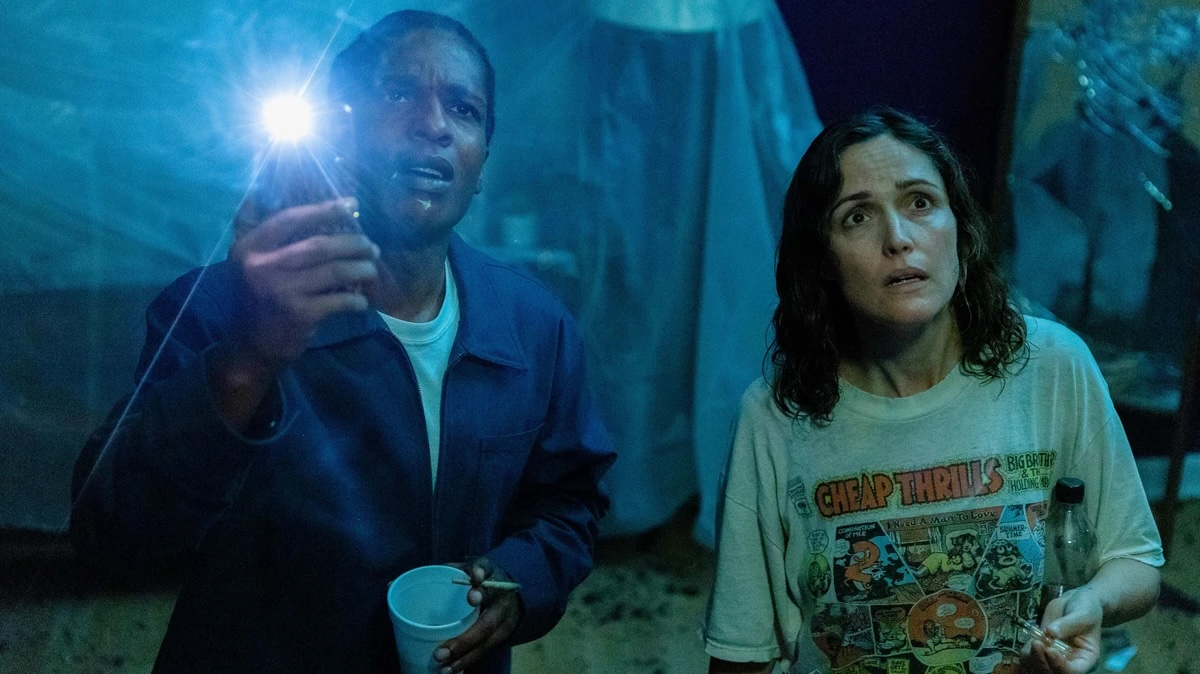
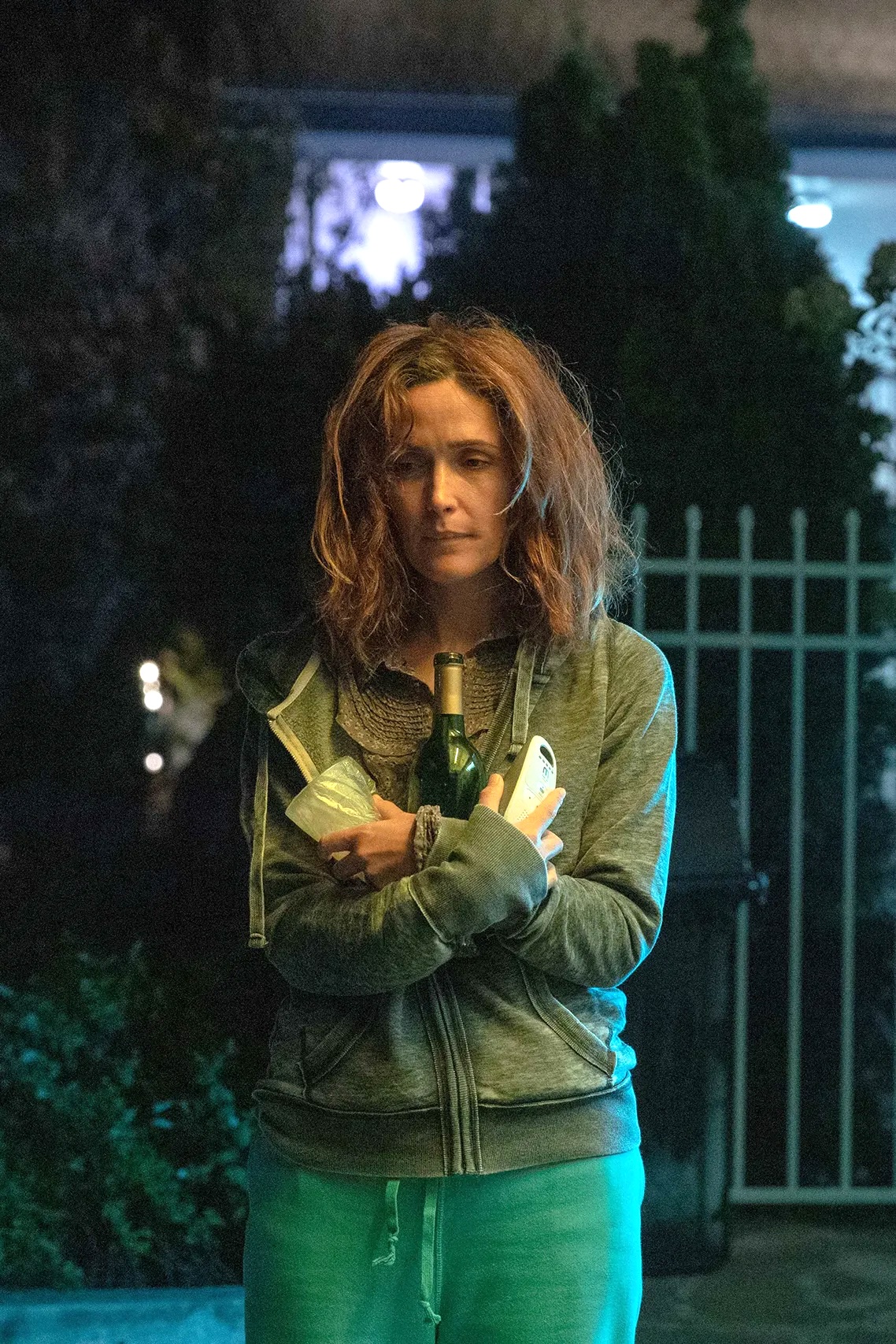
Her child is sick and Linda (Rose Byrne) can’t cope. Caring for her daughter (Delaney Quinn) is a full-time job – and she has an actual full-time job as well. Throw in an absent husband (Christian Slater), a judgemental doctor (writer/director Mary Bronstein) and a gaping hole in her bedroom ceiling, and it’s no surprise that Linda is tired, snappy and a little too reliant on wine and weed.

The child has an unspecified eating disorder and has been fitted with a feeding tube. (In an audacious directorial decision we never get a proper look at the girl, but it really works – this isn’t her story.) Linda’s paediatrician insists that she should attend parents’ meetings, where a group of mothers (no fathers in sight) are exhorted not to blame themselves for their children’s conditions. With no sense of irony, Dr Spring follows the meeting by telling Linda that her child is “failing,” that Linda doesn’t have the right attitude and, essentially, it’ll be her fault if the treatment doesn’t work.

Meanwhile, Linda’s husband, Charles, can’t help because he’s working away, but that doesn’t stop him from phoning to hector her. She should make the most of staying in a hotel, he says, implying it’s a holiday, but why hasn’t she chased up the contractor who’s supposed to be fixing the apartment? Why isn’t the child gaining weight? Why has Linda left the child alone to go shopping? Why hasn’t Linda answered his texts? Why, Linda? Why?

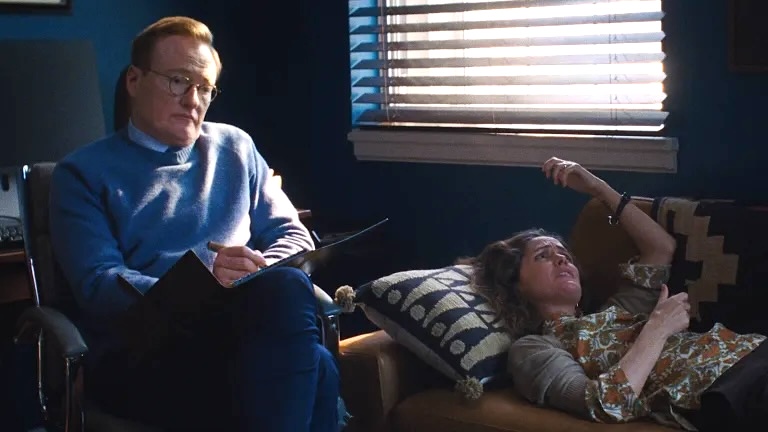
Her therapist (Conan O’Brien) isn’t much use either. Linda’s a therapist too, with an office down the hall from his, and his impassive responses rile her. She knows the tricks of the trade and is frustrated that he won’t transgress, won’t relieve her of responsibility by simply telling her what to do. When one of Linda’s own patients, a young mother with post-partum depression (Danielle MacDonald), abandons her baby in Linda’s office, it’s the final straw. Linda has reached her limit.

Almost a companion piece to Lynne Ramsey’s Die My Love, Bronstein’s movie is a searing indictment of a system that sets mothers up to fail, that overloads them with responsibility but provides no safety nets. Byrne’s portrayal of Linda’s mental decline is devastating: she loses all confidence in every area of her life, no longer capable of functioning as mother, therapist, wife or friend. Even her putative relationship with her hotel neighbour, James (A$AP Rocky), proves shallow and unreliable, prompting her to turn even further in on herself. The world is hostile and everyone is an enemy. In the end, there’s only one way out…

Linda’s disintegration is magnified by cinematographer Christopher Messina’s use of light: the gold flashes that dance in her periphery; the dreamscapes that veer between illusion and reality. The hole in the ceiling looms ever larger over Linda’s head, a great big gaping metaphor for a woman on the edge.

Byrne’s towering, nuanced performance makes her a worthy Oscar contender (although I’m still backing Jessie Buckley for the win). Meanwhile, this intense, emotional movie certainly seals Bronstein’s reputation as one to watch.

4.4 stars

Susan Singfield
Lollipop

17/06/25

The Cameo, Edinburgh

Lollipop is writer-director Daisy-May Hudson’s debut feature film – and what a promising start this is. Sure, she’s treading in the footsteps of working-class champions such as Ken Loach and Mike Leigh, but – if this fiercely female and decidedly 2020s tale is anything to go by – Hudson is also forging her own path.

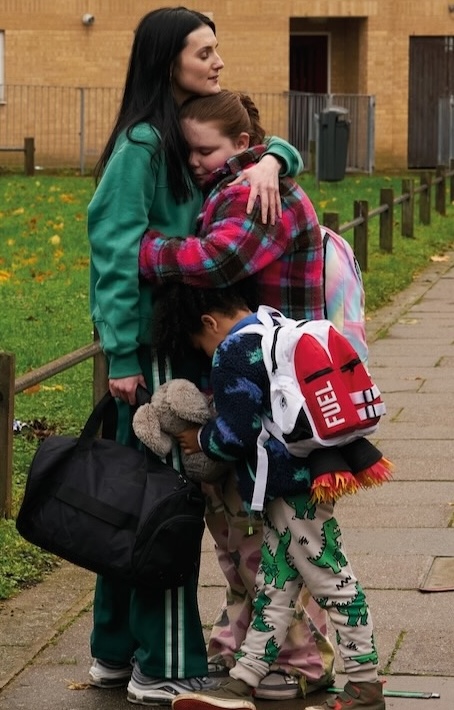
‘Lollipop’ is Molly (Posy Sterling)’s childhood nickname, but she’s come a long way since those innocent days. She’s just spent four months in prison – for an unspecified crime – and is looking forward to getting out and being reunited with her kids, Ava (Tegan-Mia Stanley Rhoads) and Leo (Luke Howitt). But things have gone awry while she’s been away: not only has she had to give up her flat, but her flaky mum, Sylvie (TerriAnn Cousins), who was supposed to be looking after the children, has handed them over to social services instead. “Don’t start,” she says, when Molly confronts her, aghast. “I can’t cope with you starting.”

Of course, once they’re in the system, the children can’t just be handed back. There are teams of people tasked with ensuring their welfare. How can they return Ava and Leo to Molly’s care when she’s homeless, pitching her tent illicitly in the park, washing in a public loo? But it’s Catch 22: Molly isn’t a priority for housing because she hasn’t got her kids with her. She’s going round in circles, and that’s not helping her already fragile mental health. However caring the individual professionals are – and they are decent, compassionate women, on the whole – the process seems designed to deny her any possibility of making good.

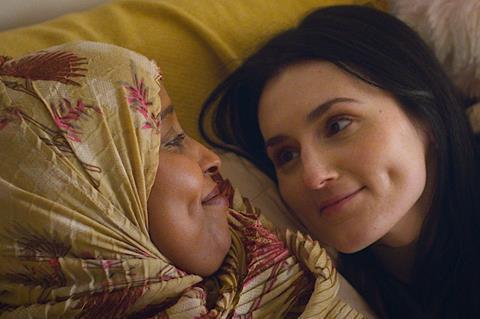
A chance encounter with an old school friend, Amina (Idil Ahmed), offers a glimmer of hope. Amina has her own problems: she’s separated from her husband, and living in a hostel with her daughter, Mya (Aliyah Abdi). But Amina is a natural optimist with an abundance of energy, spreading joy in the simplest of ways. She hosts a daily ‘party’, where she and Mya dance to their favourite tunes, while a disco ball transforms their dismal walls with colour and light. When Molly reaches breaking point, afraid she’s going to lose her kids forever, it’s Amina who breaks her fall…

It’s impossible not to draw comparisons with the second series of Jimmy McGovern’s acclaimed TV series, Time, which saw Jodie Whittaker’s Orla facing a similar situation, fighting against a failing and underfunded system that not only hurts people but also encourages recidivism. This doesn’t detract from Lollipop‘s power; sadly, it only serves to highlight the ordinariness of this extraordinary horror.

Sterling imbues the central role with so much heart that I defy anyone not to cry when they see Molly lose the plot at a resource centre, not to hold their breath while they wait for the court’s verdict. Newcomer Ahmed is also perfectly cast, lighting up the screen with her ebullience, although Amina also experiences great pain. Cousins infuriates as the selfish Sylvie, letting Molly down at every turn, but somehow still evoking our pity, and young Rhoads is heartbreakingly convincing as a little girl negotiating adult trauma before she’s even hit puberty.

Lollipop is a devastating but beautifully-realised film, as vital and engaging as Sean Baker’s The Florida Project (with which it shares some DNA). It’s the sort of potent story that ought to be the catalyst for change. Let’s hope.

4.5 stars

Susan Singfield

My Imaginary Country

11/07/23

The Cameo, Edinburgh

The young people at the heart of this documentary are genuinely awe-inspiring. Prior to watching this, I’ll admit that I was almost entirely ignorant of the situation in Chile, and certainly unaware of what this impressive grass-roots protest had achieved.

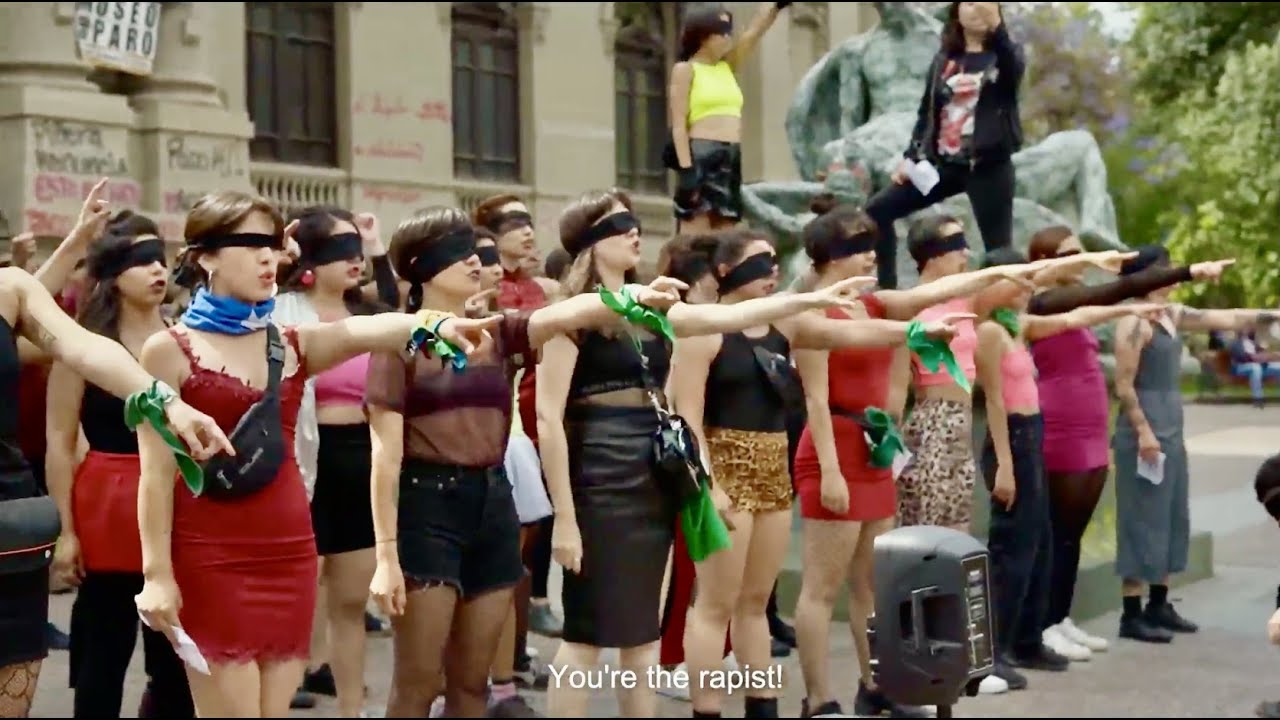
Sparked by – of all things – an increase in the price of subway tickets, the ensuing estallido soon expanded into a general call for equality and justice, a demand for a new way of living. Hundreds of thousands of people – primarily young women – stood up for the cause, persisting in the face of tear gas and military oppression. And they won, eventually forcing a change of government.

Patricio Guzmán is a seasoned documentary maker, and it shows. My Imaginary Country offers us a tentative celebration, combining a justifiable sense of pride and triumph with a note of caution about what could still go wrong. After all, Chileans are all too aware that their hard-won democracy can be plucked from them in an instant.

Nonetheless, the footage captured here is mesmerising. Drones reveal an apparently endless sea of people, the scope of their demands seemingly as inexhaustible as their number. They don’t confine themselves to a single issue. Instead, they want it all: increased pensions for the old, equal rights for LGBTQ+, better job prospects, free education, decent health care for all. In short, they want society to function properly, the way it’s meant to. They want politicians to live up to their promises.

Governments around the world should take note. Today’s youth knows how to mobilise; they know how to take matters into their own capable hands. And they’re tired of being ignored.

4 stars

Susan Singfield

Love & Friendship

images

29/05/16

Cameo, Edinburgh

Love & Friendship is an amalgamation of two early novellas (Lady Susan and Love and Freindship [sic]), penned by the esteemed Jane Austen when she was still in her teens. It’s a witty, acerbic tale, and seems true to the spirit of this oft-misunderstood writer in a way that many screen adaptations of her work do not. Romance, here, is never really the point; we don’t really care who marries whom. Instead, this is a satire: a deliciously wry examination of how people manipulate social mores.

Kate Beckinsale, as Lady Susan, is superbly cast. She is undoubtedly a venal fiend, and yet we root for her because… well, why not? She’s attractively rebellious and unrepentant in her selfishness, and – if some men are idiotic enough to fall for her games – then really, more fool them.

Most engagingly foolish of all is Tom Bennett’s James Martin, an affable buffoon, whose lack of intelligence is more than compensated by the size of his estate. Bennett milks his role’s comic potential, clearly relishing the chance to ask, in all seriousness, which of the twelve commandments he is allowed to break.

Oh, it’s a slight film all right, like Austen’s books,”a little bit (two inches wide) of ivory” – but it’s crammed full with such verve and vivacity that it’s hard to think of a more engaging way to spend an afternoon. Especially when we’re in the delightful environs of Edinburgh’s oldest and most loved cinema, the superb Cameo, where we’ve recently become members.

4.1 stars

Susan Singfield