10/03/26
Cineworld, Edinburgh
Maggie Gyllenhaal’s previous film, The Lost Daughter, seemed to be loved by all and sundry – despite being, in my opinion, a bit slight. The Bride! couldn’t be any more different if it tried. This is a film so sprawling, so packed with bonkers invention, that it almost feels as if it’s about to burst off the screen and into the auditorium. It’s also one that embodies the term ‘divisive.’ It’s had some critics clutching their pearls and reaching for two (and even one) star reviews, while many viewers have denounced it in no uncertain terms. How dare Ms Gyllenhaal defile the genius of Mary Shelley in such a way? Doesn’t she understand that Frankenstein is a great work of art that needs to be treated with respect?
We open with Mary Shelley herself (Jessie Buckley) in close-up monochrome, berating the fact that she didn’t live long enough to continue her famous story, and proclaiming that she will create a sequel by hook or by crook. Somehow, she manages to home in on Ida (Buckley again), a woman misbehaving in a Chicago bar in 1936. A quick case of possession occurs, which has Ida acting lewdly and shouting abuse (in a variety of voices) at Lupino (Zlatko Buric), the gangster who runs the city. For this misdemeanour, Ida is promptly pushed down a flight of stairs to her death. Bye bye, Ida… or is it?
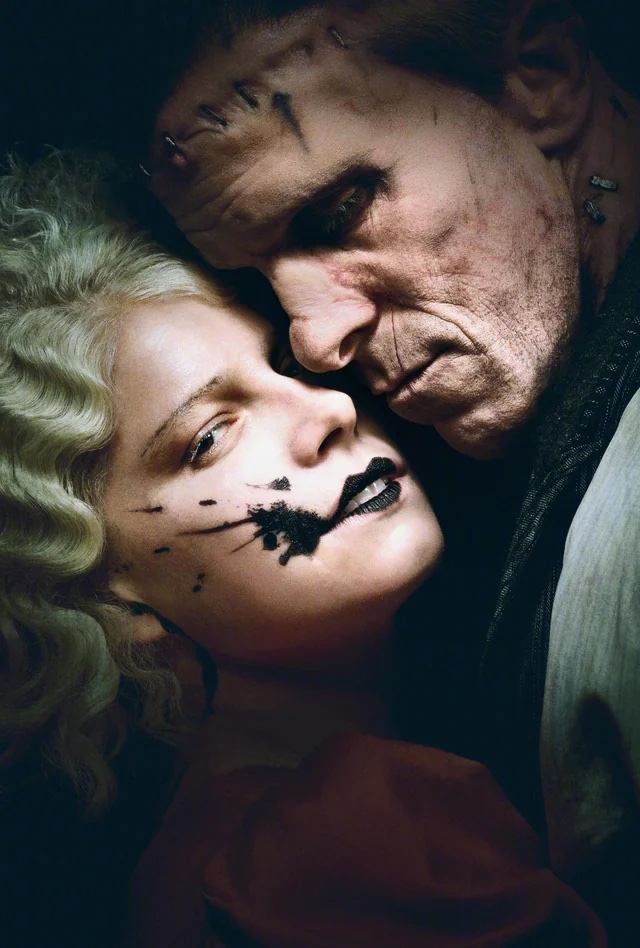
Shortly thereafter, ‘Frank’ (Christian Bale) arrives in the city in search of Dr Cornelia Euphronious (Annette Bening), a scientist famed for her experiments with reanimation. Frank has been around since the 1800s and is starting to feel a crippling sense of loneliness. Would Dr Euphronious be prepared to animate a female corpse for him, so he can finally enjoy a meaningful relationship? The good doctor understandably has some doubts, but luckily she acquiesces (otherwise this would be a very short movie) and Ida’s freshly-buried body and Shelley’s spirit are zapped into something larger than life.
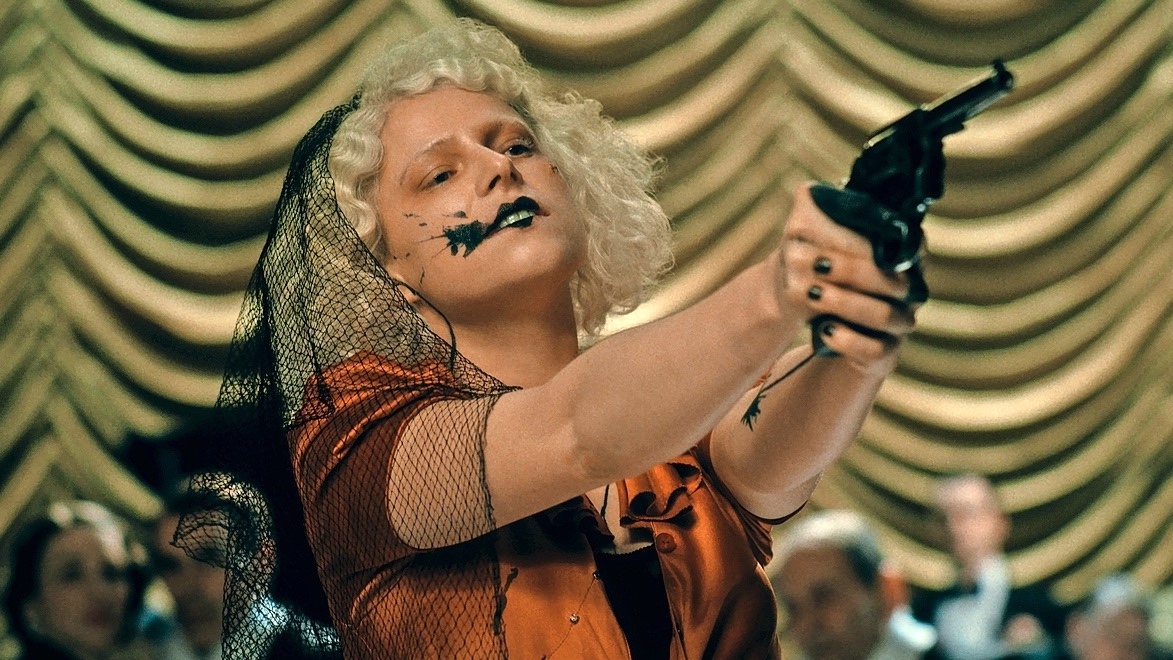
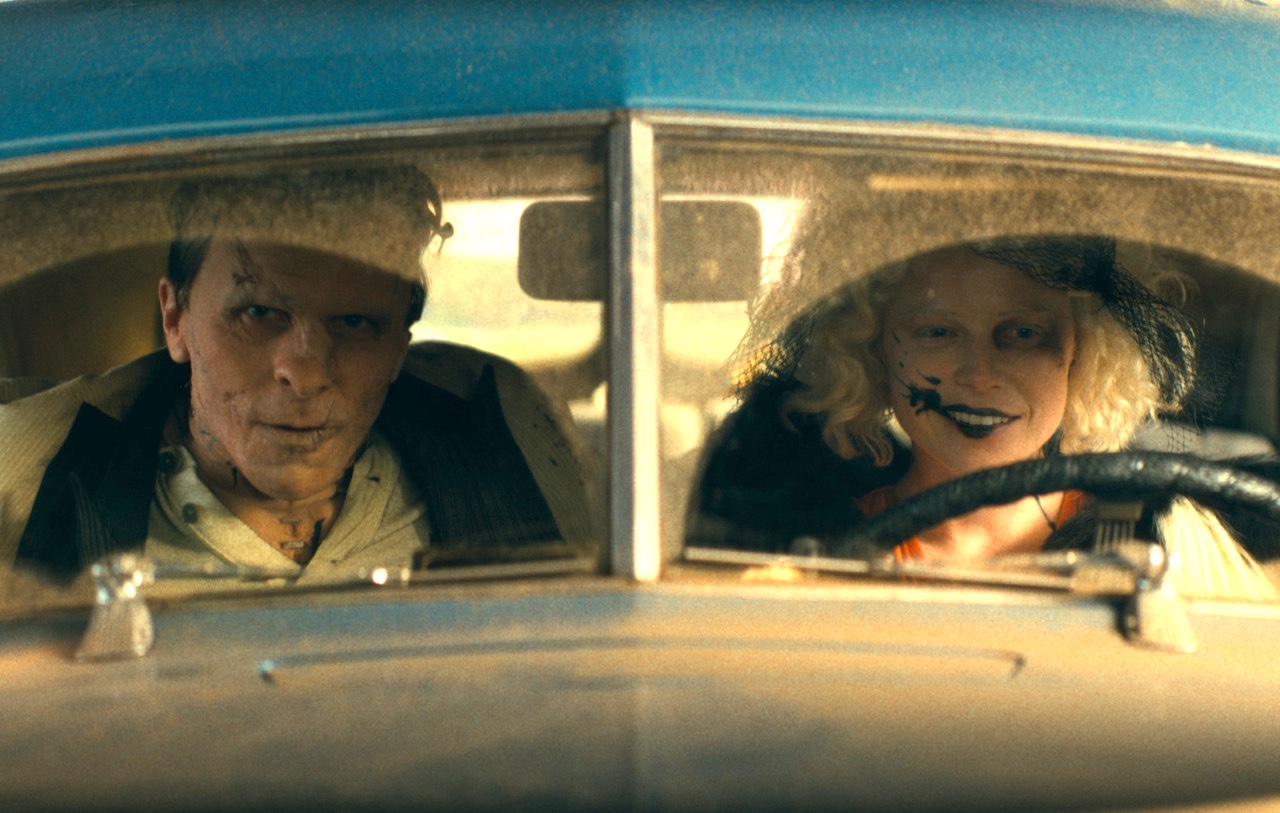
‘Penny’ – as Ida/Mary is now known – and Frank start to get to know each other and they go out nightclubbing in a sleazy part of the city. After Frank kills a couple of guys who attempt to rape Ida, the couple are forced to go on the run…
And yes, on paper, it does sound ridiculous – but then, so does Mary Shelley’s original story to be fair – and what my words can’t adequately convey is the sheer exuberance with which this is all done, a degree of WTF invention that leaps out of every frame. The Bride! is quite literally a fearless monster mash-up of epic proportions, with knowing nods to Bonnie and Clyde, Mel Brooks and the Hollywood musicals of the 1930s. Frank, it turns out, is a major fan of song-and-dance man, Ronnie Reed (Jake Gyllenhaal), and never misses the opportunity to catch one of his films at the cinema. In doing so, he unwittingly leaves a trail for detectives Jake Wiles (Peter Sarsgaard) and his much cleverer partner, Myrna Malloy (Penélope Cruz).
I’ll be the first to admit that not everything Gyllenhaal attempts here quite comes off – she wrote the screenplay, as well as directing – and there are rough edges to some of the scenes of mayhem and bloodshed. Furthermore, if you’re one of those people who hates coincidences, be warned – there are a lot of them here. But overall, The Bride! offers such a wild, unpredictable thrill-ride that I quickly throw aside my qualms and have a great time with it. Buckley is every bit as mesmerising as she is in Hamnet, while Bale’s interpretation of the Monster as a hesitant, apologetic creature, worn down by decades of travails, makes him strangely endearing. Lawrence Sher’s cinematography is stunning and there’s an intriguing score by Hildur Guõnodóttir. The whole enterprise is underpinned by a powerful feminist subtext, which reflects the era in which it’s set.
So, my advice would be to disregard the bad word-of-mouth and watch The Bride! with an open mind. The film’s opening weekend suggests that it’s going to lay a great big egg at the box office, but those who admire audacious creativity will find much to admire here.
4 stars
Philip Caveney


 Bouquets & Brickbats