Bertolt Brecht

The Phoenician Scheme

26/05/25

Cineworld, Edinburgh

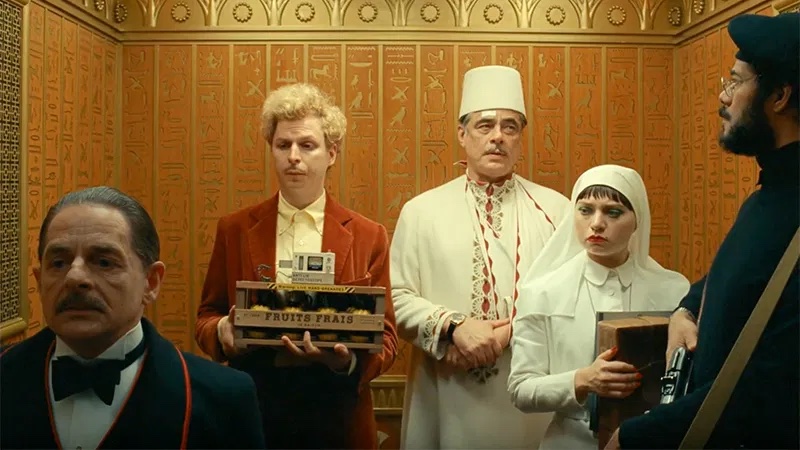
Cinema fans can hardly have failed to notice that a new Wes Anderson movie is on general release. As ever, it features his usual bag of tricks: impeccably-framed images arranged in perfect symmetry on the screen; an extended set of famous faces, all of whom show up for every successive project and seem happy to put in cameo performances for shirt buttons; and, as ever, a plot that appears to have been created simply to redefine the term ‘off-beat.’

Anderson has long been a disciple of Verfremdungseffekt – the distancing technique devised by playwright Bertolt Brecht, employed to prevent an audience from easy identification with his characters. It’s always been there in Anderson’s work to some degree but, this time around, I can’t help feeling that it might have been too enthusiastically applied.

Call me old-fashioned, but I do like a character I can root for. Here, there really isn’t one.

Wealthy and indomitable business magnate Zsa zsa Korda (Benicio del Toro) continues to thrive, despite the many assassination attempts that have been made on him by his rivals. After a near-fatal plane crash, he gets in touch with noviciate nun, Liesl (Mia Threapleton), who may just be his only daughter. (Korda has nine sons, several of them adopted, but he tends to spend as little time with them as possible.) Now, realising that he might be getting close to the end of his life, he has decided to offer Liesl a trial run as the sole heir to his considerable estate. He also takes on a new assistant, Bjørn Lund (Michael Cera), his last sidekick having been blown in half in the aforementioned plane crash.

The threesome must now travel around the fictional country of Phoenicia, where Korda has heavily invested in several major projects. A shadowy cabal of businessmen, led by Mr Excalibur (Rupert Friend), have raised the price of an all-important rivet used in the manufacturing process. This means that, unless Korda can persuade his business associates to take smaller profits, he is at risk of losing everything…

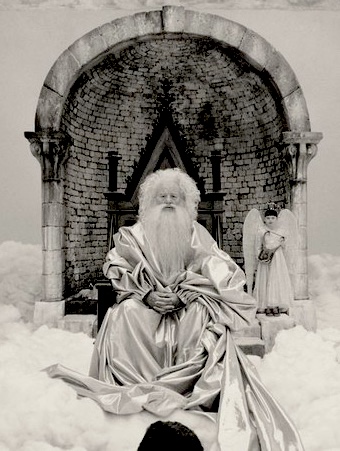
Even as I write this plot outline, I wonder why I’m bothering. Wes Anderson films are like art exhibitions. Some you love, though you cannot exactly pinpoint why. And others leave you flat for no easily-discernible reason. I’m not saying that The Phoenician Scheme is without merit. I sit watching it unfold, approving of its incomparable look and style, occasionally chuckling at some absurd lines of dialogue, even spotting the occasional movie reference. That Moroccan style club run by Marseille Bob (Mathieu Amalric), that’s a nod to Casablanca, right? And the black and white dream sequences, where Korda meets up with God (Bill Murray, naturally), are surely a reference to…

But this is pointless. I loved Anderson’s previous release, Asteroid City, which many viewers dismissed as another exercise in style over content. But this time, even I can’t seem to make myself care enough about the many characters I’m presented with. Korda’s growing relationship with Liesl could perhaps have been the hook that pulled me in, but that element feels somewhat under-developed.

That said, Anderson is one of the few film makers who walks his own path and refuses to compromise his vision. With names like Tom Hanks, Scarlett Johannsson and Benedict Cumberbatch ready and willing to bury their egos in walk-on roles, he’s in the rare position of being free to do exactly as he wishes.

So, why not give this a go? Chances are, you’ll completely disagree with me.

3.6 stars

Philip Caveney
Sing Sing

31/08/24

The Cameo, Edinburgh

It’s National Cinema Day and picture houses across the country are offering tickets for a mere £4. The Cameo is packed to the rafters. Does this mean that cinemas could sell out regularly if they lowered their prices, or is the mass turnout down to the sense of a special occasion?

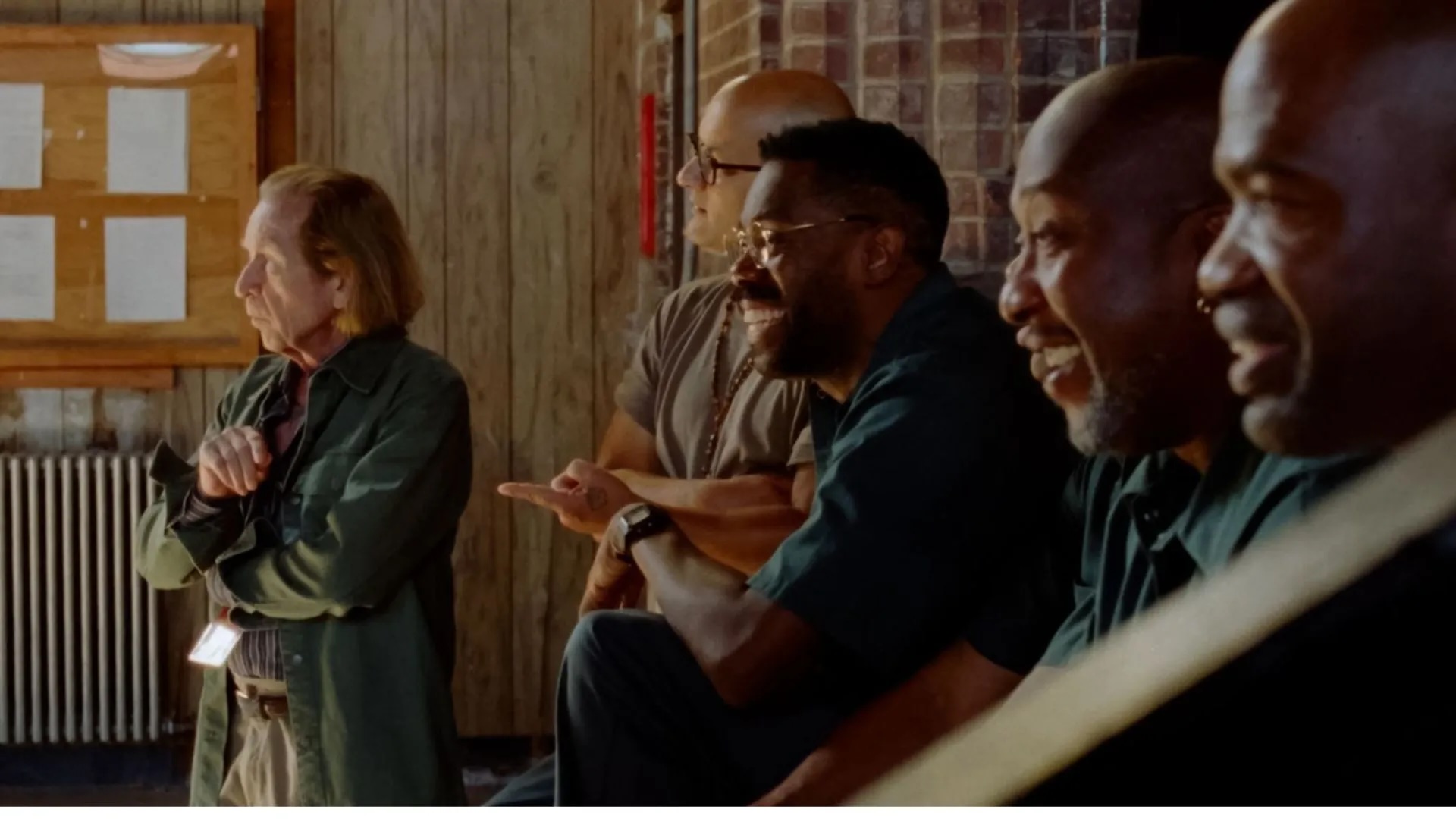
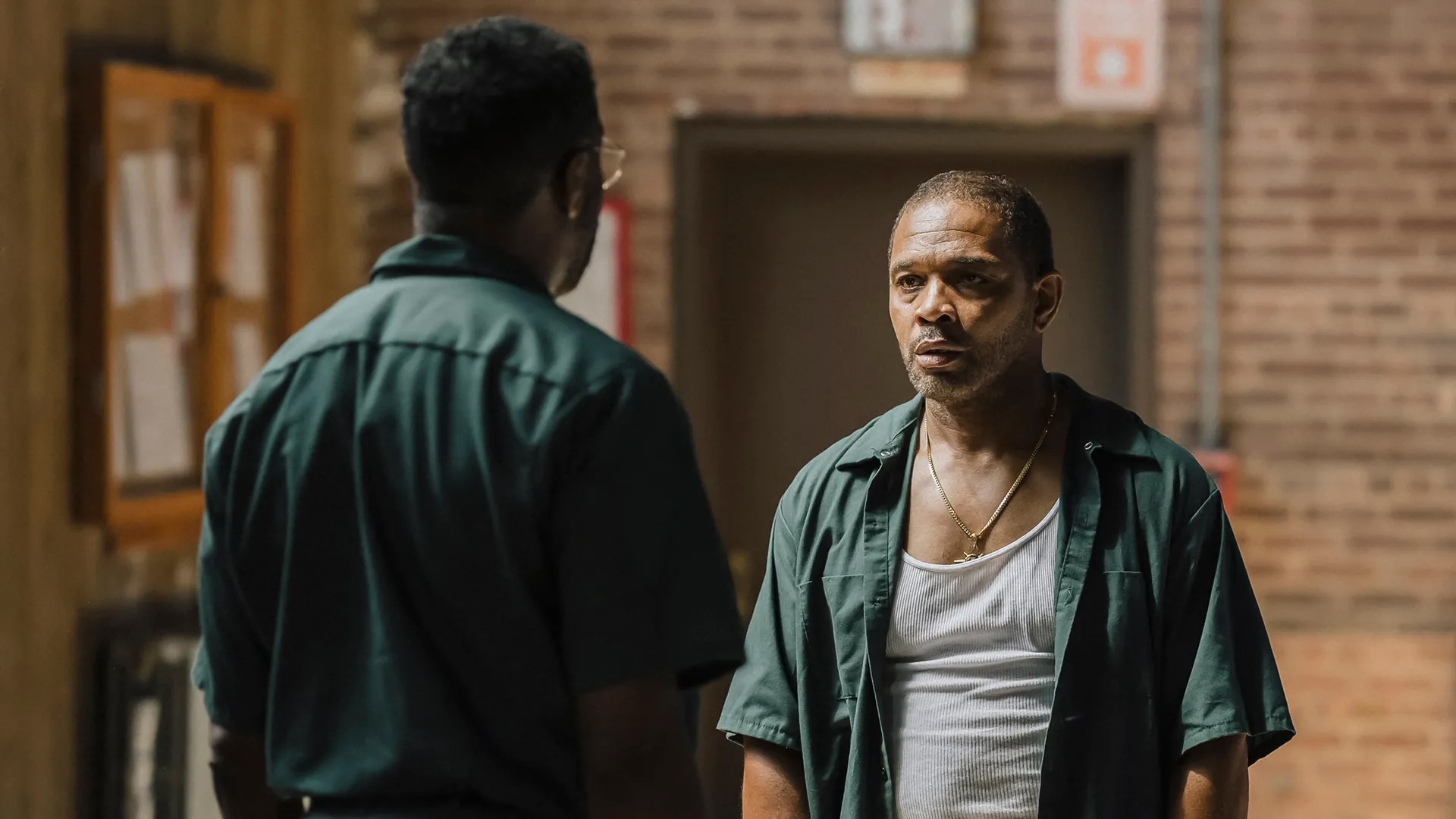
The programming is important too, of course. Sing Sing deserves to draw the crowds, even at full price. It’s a weighty, life-affirming piece of work, humanising the inmates of the titular maximum security prison. It’s also a timely reminder of why the arts are so important.

Based on John H. Richardson’s book, The Sing Sing Follies, Greg Kwedar’s movie is all about the RTA programme (Rehabilitation Through the Arts), which provides customised curricula of theatre, dance, music, etc. in prisons across the USA. Each jail has its own steering committee of prisoners, and external facilitators to help them explore their ideas. The benefits to both inmates and wider society are clear: by offering troubled people hope, allowing them the chance to explore their feelings and develop skills, to improve their self-esteem, the severity of infractions within prisons is reduced – and so is recidivism. The urge to punish, to make correctional facilities as unpleasant as possible, is perhaps understandable but it’s self-defeating. If we want a better world for everyone, we have to accept the evidence and give incarcerated people as many opportunities as possible to improve their circumstances.

Colman Domingo makes a thoughtful, impressive John “Divine G” Whitfield, a central member of Sing Sing’s RTA group. Divine G – who has a cameo appearance – writes plays as well as performing in them, and also works tirelessly to support other inmates with their appeals. Apart from Paul Raci as volunteer drama leader Brent Buell, the rest of the cast comprises ex-prisoners playing themselves. Co-lead Clarence “Divine Eye” Maclin is especially affecting: his transformative journey from bullish gang member to esteemed performer might be predictable but it’s absolutely compelling.

We shouldn’t need reminding that theatre matters: we’ve known it forever. Thomas Keneally’s The Playmaker and Timberlake Wertenbaker’s Our Country’s Good both immortalise the real-life production of The Recruiting Officer performed by convicts deported to Australia in 1789. Margaret Atwood’s fictional account, Hag-Seed, doesn’t just illuminate The Tempest for a contemporary audience, it also advocates for arts in jail. Bertolt Brecht’s Lehrstücke (1920s and 30s) were created precisely to focus on the process of creating drama and the impact it has on actors. Here, in Clint Bentley’s gentle, often funny screenplay, we see again exactly how life-changing theatre can be.

Kwedar wisely steers clear of the violence we are accustomed to in prison movies: the menace is there, but it’s in the wings. Instead, we get to see the men at their best, when they’re engaged in something they really care about. As Sean “Dino” Johnson points out, “We get to be human in this room.”

And human they are. As a teacher of creative drama (albeit with children, not criminals), I’m not at all fazed by Buell’s bonkers-sounding playscript, Breakin’ the Mummy’s Code, which incorporates everyone’s ideas, including time travel, Freddy Krueger, ancient Egypt and, um, a couple of Hamlet’s soliloquies. That sounds just fine to me! It’s heart-warming to see how much it matters to the men, how seriously they take the acting exercises and the director’s notes, how much fun they have when they’re finally on stage.

Sing Sing is an important film, but it’s a highly entertaining one too. Beautifully crafted, with cinematography by Pat Scola, you’re guaranteed to leave the cinema with a smile on your face and a sense of hope for the future.

4.7 stars

Susan Singfield

The Threepenny Opera

15/09/17

King’s Theatre, Edinburgh

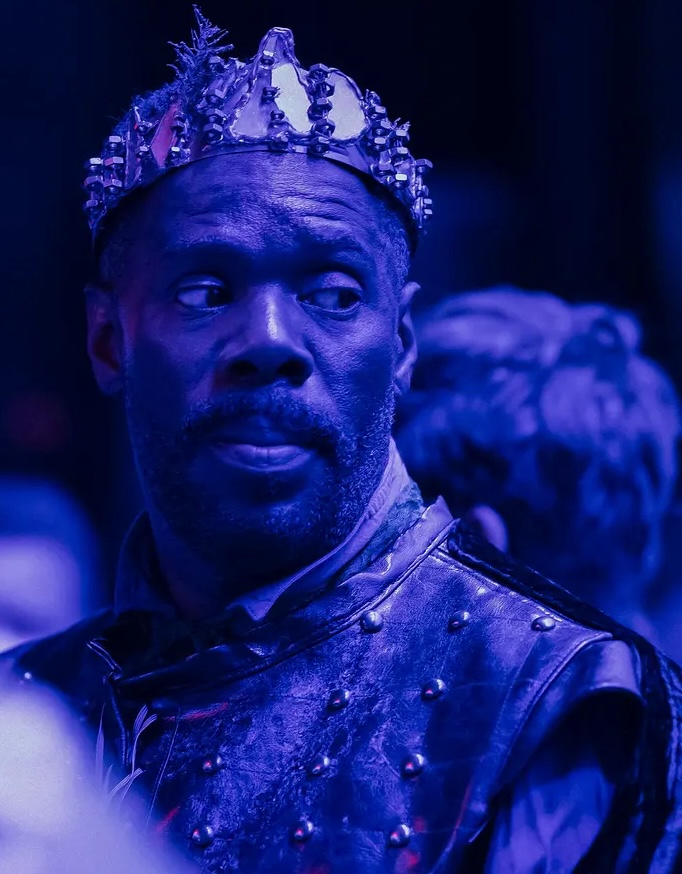
Bertolt Brecht and Kurt Weill would doubtless have approved of Attic Collective’s version of their infamous master work. From the faked technical problem in the opening minutes through to the battalions of cast members made to ride exercise bicycles throughout the three hour show (as though attempting to power it up), everything has been done to accentuate the artifice of the production – a key Brechtian device.

But up on the massive stage of the King’s Theatre, the Verfremdungseffekt this produces is perhaps a little too pronounced for the play’s own good. The antics of the performers seem dwarfed in such a setting and the sparse lighting effects employed  make us feel like we’re observing it all from a distance – as though we’re watching through binoculars turned the wrong way around. The moment when the fourth wall is completely shattered and a group of prostitutes install themselves in the King’s famous boxes, exchanging lines over the heads of the audience is, for me at least, a standout scene.

Notorious villain MacHeath (a suitably swaggering performance by Charlie West) marries Polly Peachum (Kirsty Benton), much to the chagrin of her parents (Max Reid and Hannah Bradley), who decide that it’s high time their new son-in-law is taken down a peg or two – by the liberal application of a hangman’s noose. And as it turns out, MacHeath has quite a few embarrassing skeletons in his closet, not least the existence of another bride whom he’s completely forgotten to mention, plus several very close companions up at the local brothel…

There are some lovely performances here. Benton’s turn as Polly is particularly impressive and Reid plays Mr Peachum with bombastic glee. I would love to see this in a more intimate setting, where I might become a bit more swept up in the action (less Brechtian perhaps, but, I suspect, more satisfying for an audience). It’s nonetheless a creditable effort from the enthusiastic young cast, who deliver a raucous and audacious evening’s entertainment. If it’s not quite up there with last production Lysistrata, still they give this everything they’ve got, and it’s definitely worth seeking out.

3.4 stars

Philip Caveney