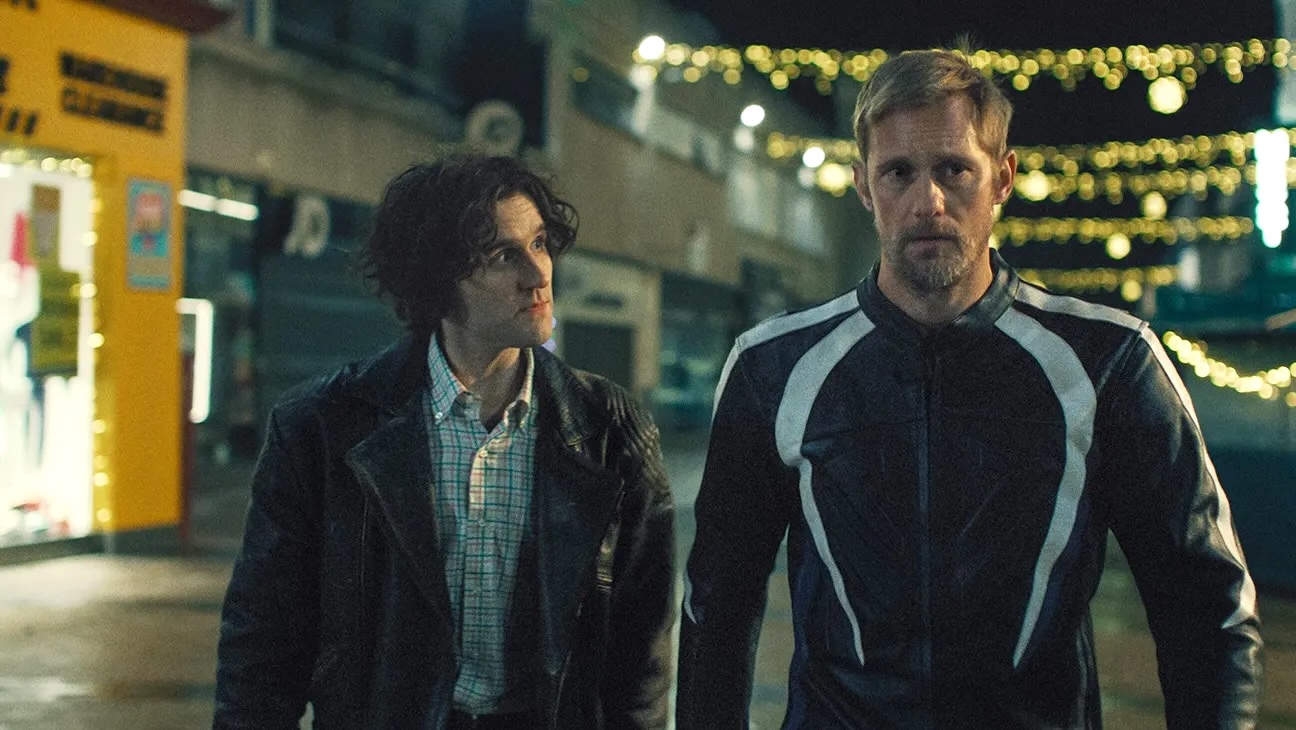


Alexander Skarsgård

Pillion

04/12/25

Cineworld, Edinburgh

Adapted from Adam Mars Jones’ 2019 novel, Box Hill, Pillion is – I think it’s fair to say – something of an oddity. Described by one of its stars as a ‘dom-com,’ it’s set within the world of BDSM and has been assigned an 18 certificate for nudity and explicit sex. And yet there are elements at play here to appeal to a much broader audience than you might expect.

Colin (Harry Melling) is an affable young fellow, still living with his parents. He works as a traffic warden and occasionally sings as part of his father Pete’s barber-shop quartet. Pete (Douglas Hodge) is every bit as genial as his son, but he’s coming to terms with the fact that his wife, Peggy (Lesley Sharp), is in the final stages of her life after a long struggle with cancer. Colin’s parents know he is gay; in fact, Peggy has devoted her final months to trying to get him fixed up with a suitable boyfriend, but he doesn’t like any of the dates she sets up for him.

And then, at the local pub where the group regularly performs, Harry encounters Ray (Alexander Skarsgård), a handsome but monosyllabic biker. Something clicks between them and, when Ray hands Colin a note (on the back of a beermat), instructing him to be at a certain place at a certain time, Colin doesn’t hesitate to comply.

It isn’t long before Colin is on his knees in a dark alleyway giving Ray a BJ – and shortly thereafter, he’s initiated into the small group of submissive followers who ride pillion with Ray’s biker friends, ready to accede to their masters’ sadistic whims. Soon Colin has shaved off his long hair and is decked out in racy leather outfits, complete with a padlock around his neck.

In these scenes the 18 certificate is certainly well-earned – but it’s important to note that Colin enthusiastically consents to every indignity that’s meted out to him. Indeed, he seems to thrive on this new regime, as he discovers a sense of community that he’s never had before.

There’s more to the film than just the sexual content. A wonderfully toe-curling scene where Peggy cajoles Colin into bringing Ray to the family home for dinner and then delivers her unflinching opinion of him is a particular delight – and I’m quite unprepared for the genuinely poignant conclusion. There are also several scenes that make me completely re-evaluate everything that has gone before.

Both Melling and Skarsgård are outstanding in their polar opposite roles: one so vulnerable and desperate to show his devotion; the other locked away, sullen and uncommunicative. Director/screenwriter Harry Lighton handles the difficult material with skill and it’s no great surprise to learn that Pillion has recently walked away from the British Independent Film Awards with five trophies, including best film and best debut screenwriter. It’s also stirred up some indignant editorials in the press, enquiring how the BBC could have ‘lowered itself’ to commission something like this.

But there are all kinds of voices in the world and Pillion sheds fresh light onto a subject about which I previously knew very little. Of course, it won’t be to everyone’s taste but I can honestly say that I haven’t seen quite anything like this before, which – to my mind – is one of the highest recommendations a film can aspire to.

4.6 stars

Philip Caveney
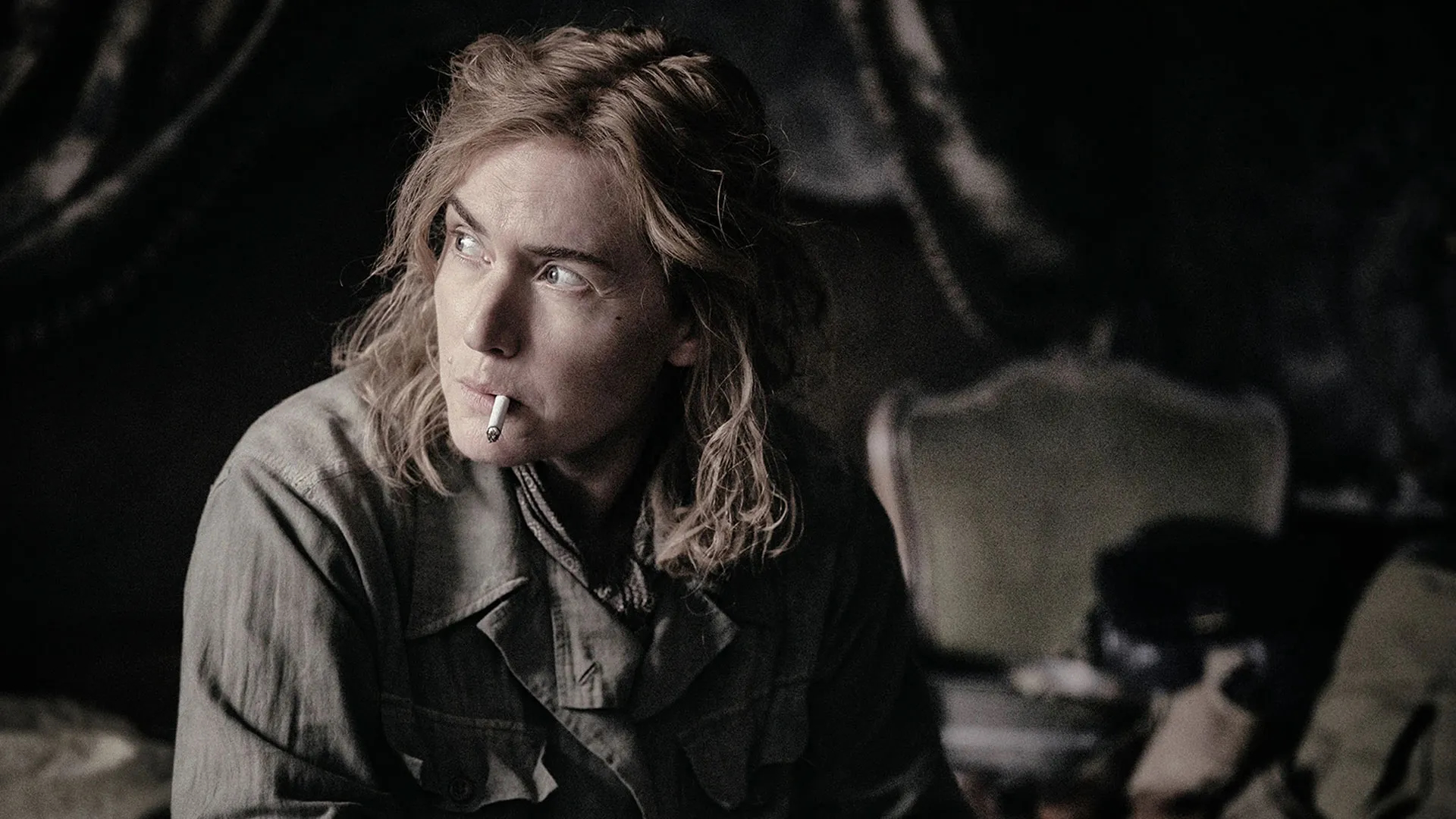
Lee

14/09/24

Cineworld, Edinburgh

This biopic is as much a tribute to photojournalism as it is to its protagonist, Lee Miller. In an age where AI-trickery can make us doubt our own eyes, it is a timely reminder of why we need to document what’s really happening in the world. In the 1940s, no one wanted to believe in concentration camps or desperate, scapegoated women being hanged for collaboration. War photographers forced people to confront the grim realities, to understand the scale of the horrors that had been unleashed.

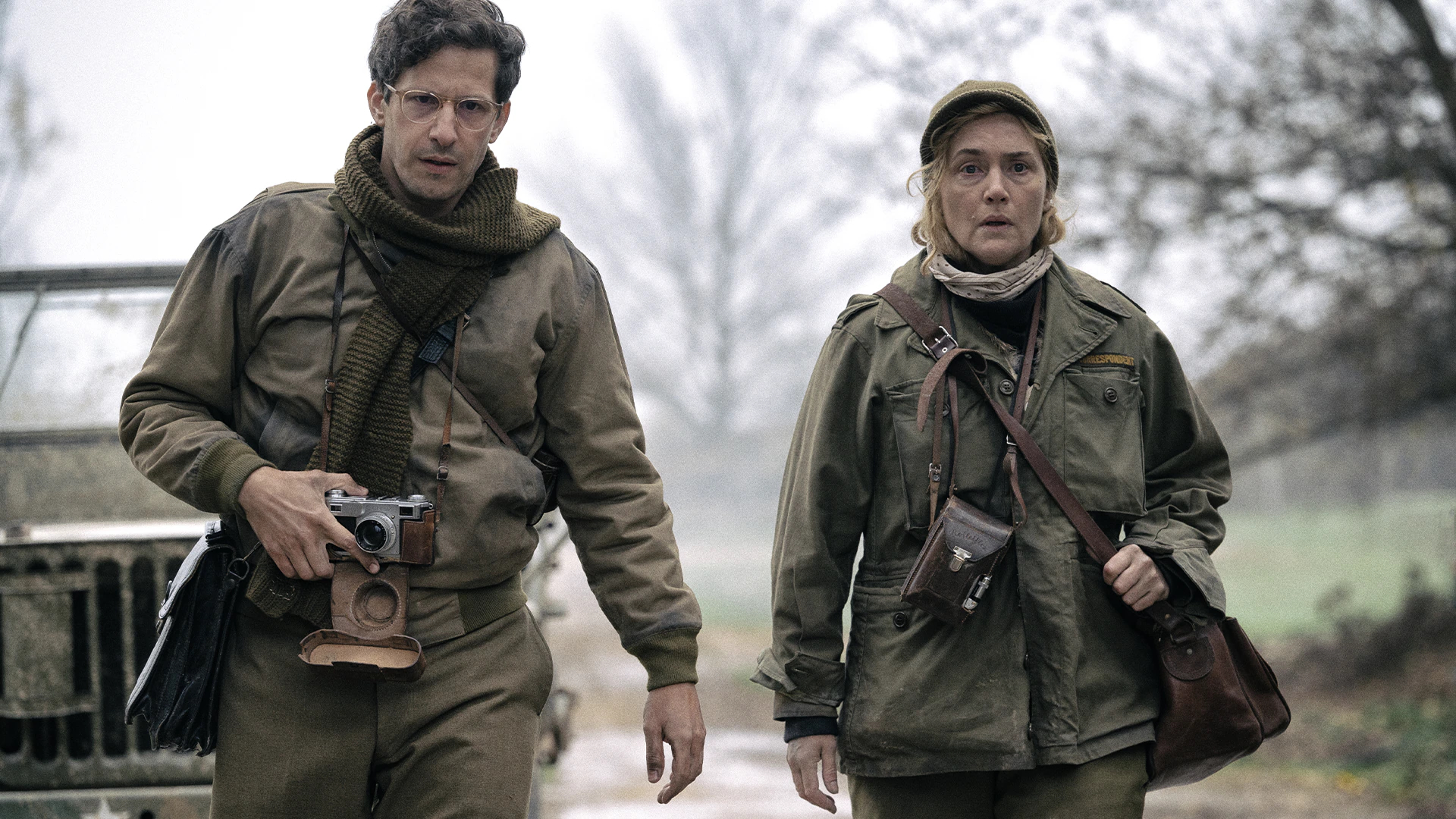
Miller trod a lot of paths in her life, but Lee, directed by Ellen Kuras, focuses on her work during the second world war. There’s a framing device: wannabe journalist Antony (Josh O’Connor) is interviewing the now elderly photographer, his questions evoking stories told in flashback. Her previous work as a fashion model and artists’ muse is acknowledged in a brief but revelatory early scene, where she wonders what on earth she’s going to do with her life now that she’s aged out of – and is bored by – all that. When she meets Roland (Alexander Skarsgård), marriage beckons but it’s not enough. Miller is a formidable woman and she needs to forge her own path.

Kate Winslet is marvellous as Lee, shimmering with pent-up energy and drive. Her Miller is motivated by righteousness as well as ambition: she’s a woman and, what’s more, she knows the camera from the other side; she can tell a different story from her male counterparts. If that means barging her way in and ignoring ‘no women’ regulations, then so be it. Her work is important. Not that she’s a loner: she’s sociable and enjoys working alongside her male colleague and friend, David Scherman (Andy Samberg).

The real Miller was indomitable, and Winslet absolutely does her justice. This is a powerful performance, harnessing the grit and determination that allowed Miller to capture such provocative and controversial images, many of which are recreated here.

Perhaps the biggest surprise for me is the realisation that Miller’s war correspondence work was done for Vogue magazine, then edited by Audrey Withers (Andrea Riseborough). I’ve never read Vogue; I thought it was all fashion and frivolity. Its serious side is a revelation, much like Miller’s shocking photos must have been for those who previously knew her only as a model.

The cinematography – by Pawel Edelman – captures the brutality of war: the scarred landscapes, chaos and traumatised faces. We also see how, ninety years ago, fascism trumpeted its arrival but still caught people by surprise. There’s a lesson here, and it’s not a subtle one.

Focus. Flash. Snap.

See.

4.3 stars

Susan Singfield

Passing

10/11/21

Netflix

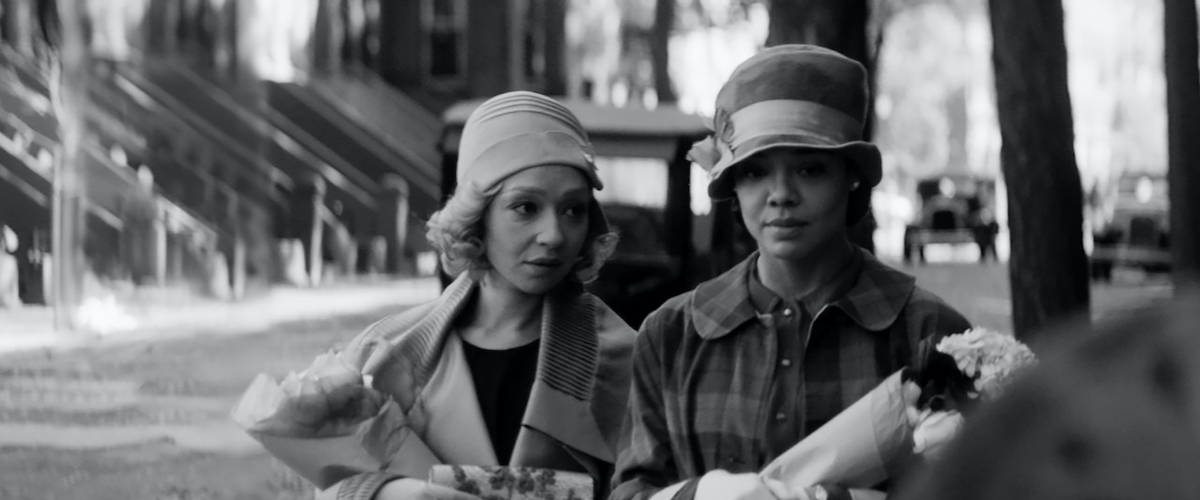
Passing marks the directorial debut of actor, Rebecca Hall (she also wrote the script), and it’s a project that’s been in gestation for more than a decade, inspired by her first reading of Nella Larsen’s source novel. Hall, it turns out, has some experience of the subject matter. Her own grandfather, a light-skinned African-American, often passed himself of as white back in his youth and so, to Hall, the book consequently felt like his story. Set in the 1920s and evocatively filmed by Eduard Grau in (appropriately enough) black and white, Passing unfolds its story at a sedate pace. For once, I don’t find myself grumbling about having to watch this on a small screen, because the film is intimate and compelling enough to hold my attention throughout.

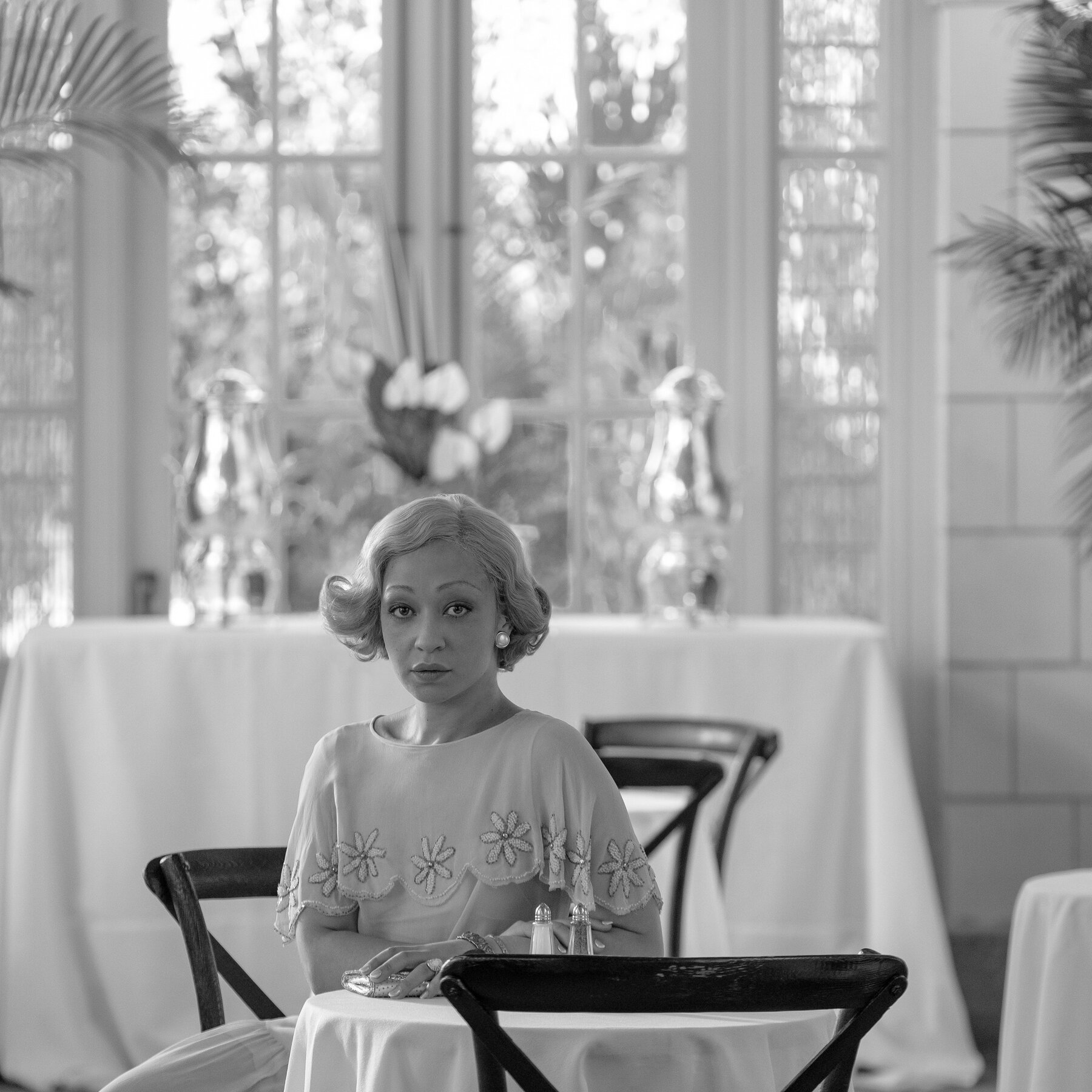
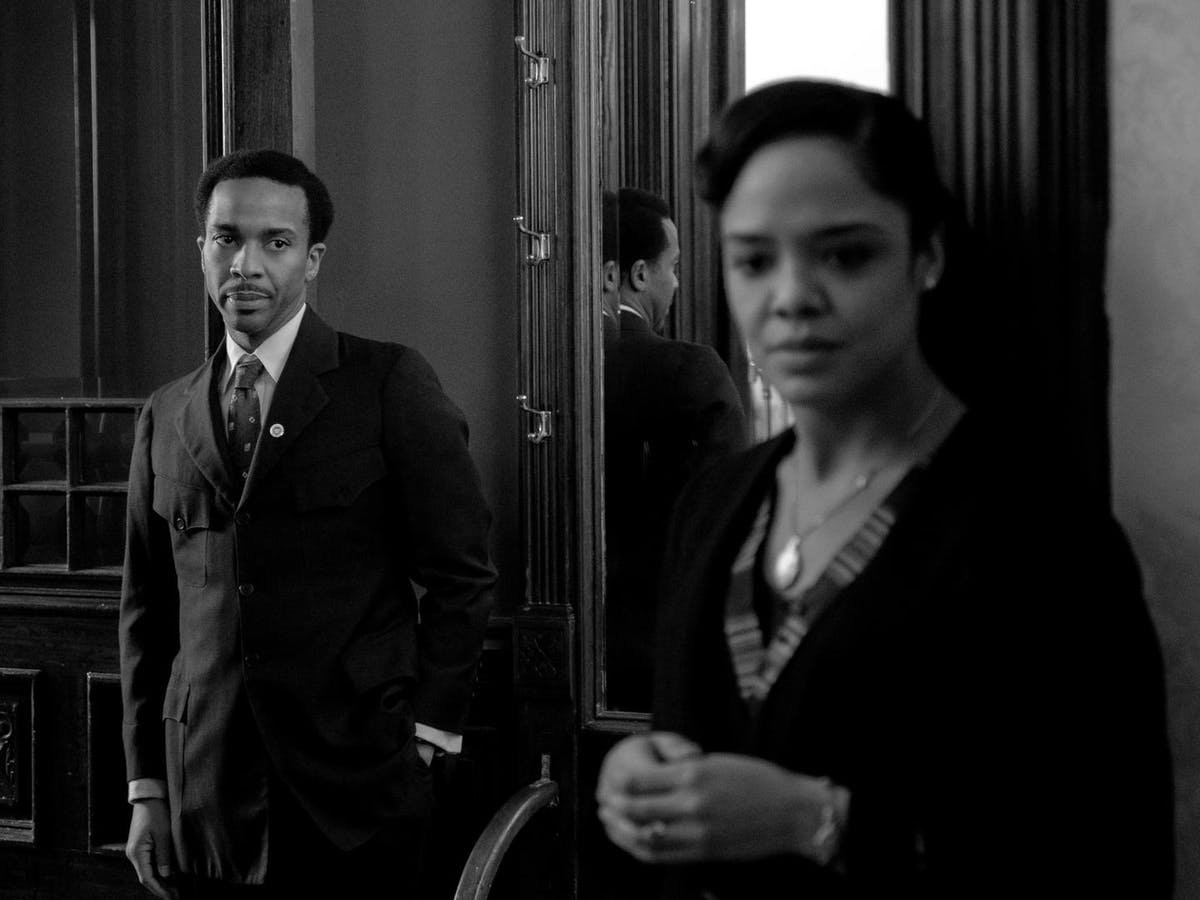
Rene (Tessa Thompson) is a well-to-do Black woman, the wife of successful doctor, Brian (André Holland). Rene occasionally passes herself of as white in order to gain access to the ritzy New York hotels and restaurants she likes to frequent, and that’s what she’s doing when we first encounter her. Sitting in a swish dining room, she is astonished to be greeted by a white woman as though she’s an old friend. Except this isn’t a white woman: it’s her old school chum, Clare (Ruth Negga), who she hasn’t seen in years and who has taken the art of ‘passing’ to the extreme. With her elaborately coiffed blonde hair and carefully rehearsed mannerisms, Clare has erased all traces of her former self. What’s more, she is now married to successful white businessman, John (Alexander Skarsård), who – it turns out – is a bluntly spoken racist, and has no idea about Clare’s origins.

Understandably horrified, Rene excuses herself and tries to forget the encounter, but soon learns that Clare is not a character who’s ready to be conveniently brushed under the carpet. It’s not long before she turns up at Rene’s house and begins to inveigle her way into her former friend’s life, charming Rene’s husband, her two boys, her maid and just about everyone else she is introduced to. Only Rene’s writer-friend, Hugh (Bill Camp), seems to see through her meticulously rehearsed charm-school routines. But then, as a novelist, he’s well attuned to the concept of spinning stories.

As Clare exerts her hold over Rene’s world, so Rene begins to perceive an unspoken threat that lies behind her old friend’s vacuous smile…

This is an accomplished film is so many ways. I love the ambiguity of it. Seen entirely from Rene’s point of view, we’re never entirely sure if Clare really is the threat she appears. Could it be that she has been acting a part for so long, she’s no longer conscious of how avariciously she presents herself? She clearly hankers after the kind of life her deception has denied her – but how far would she be willing to go to reclaim it? Are Rene’s fears merely a product of her mounting paranoia?

Nothing here seems set in stone; indeed, even the film’s tragic conclusion leaves us with many unanswered questions.

Thompson is terrific as the troubled Rene, and Negga wonderfully enigmatic as Clare. The era is convincingly evoked and it’s so refreshing to see a cinematic story about the pervasiveness of racism, even for those Black people not living in grinding poverty. My only issue with the film is the overuse of a jazz-inflected piano motif, which, though appropriate for the 1920s, becomes an irritating ear worm by the time I’ve heard it for the fifteenth time. It’s a minor quibble.

Passing is a fascinating story, effectively told and what’s more, as a debut feature, it’s no mean achievement.

4 stars

Philip Caveney