12/09/24
Cineworld, Edinburgh
A cut above the usual Blumhouse productions, Speak No Evil is a multi-faceted psychological thriller. Directed by James Watkins, this is an adaptation of a 2022 Danish movie of the same name (which I confess I haven’t seen). It’s also the title of my thriller novel from 1993, but I’m going to be gracious and overlook that fact. Suffice to say that if the aim of the film is to put viewers on the edge of their seats and keep them there for an hour and fifty minutes, then it succeeds in spades.
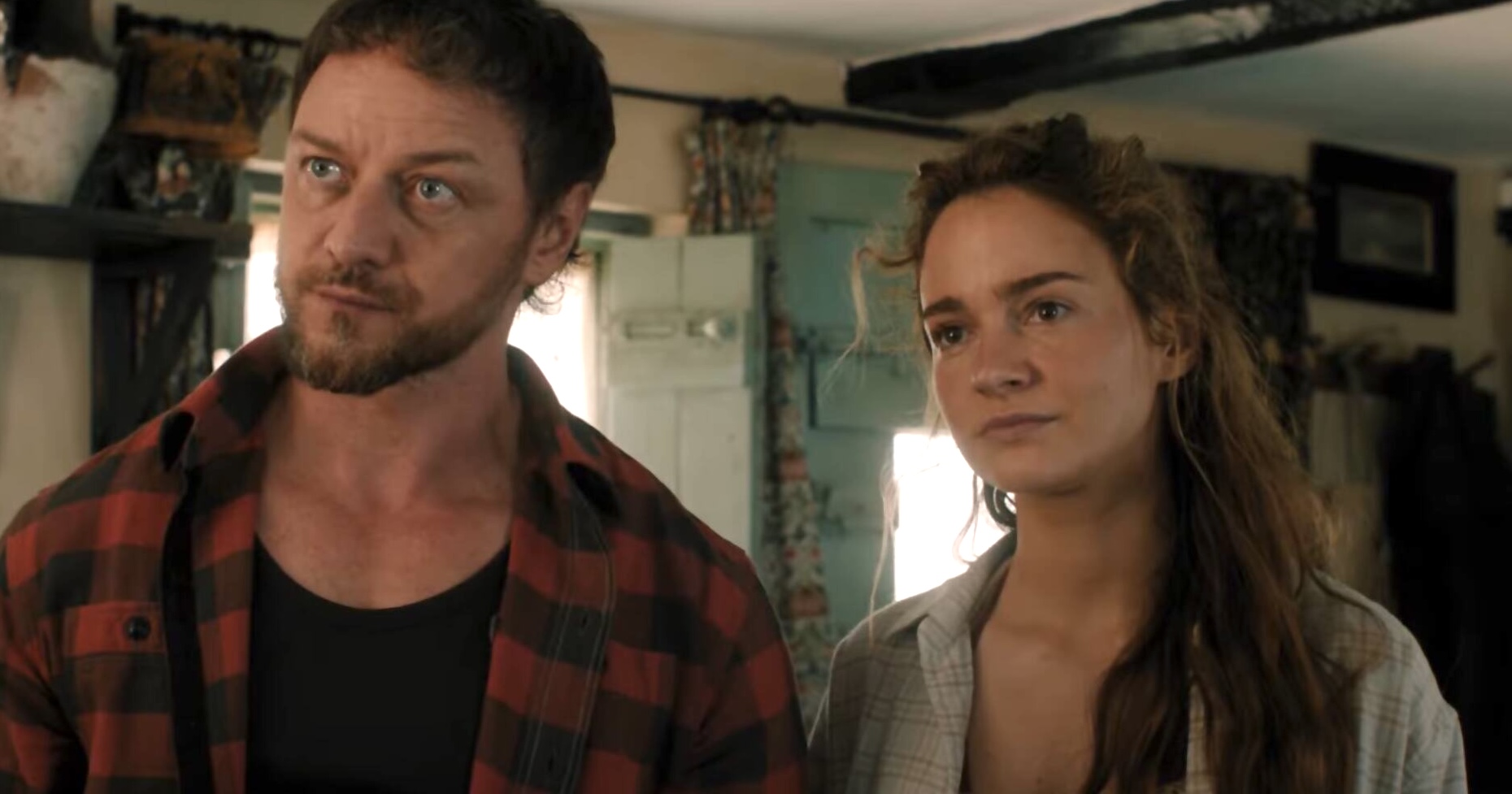
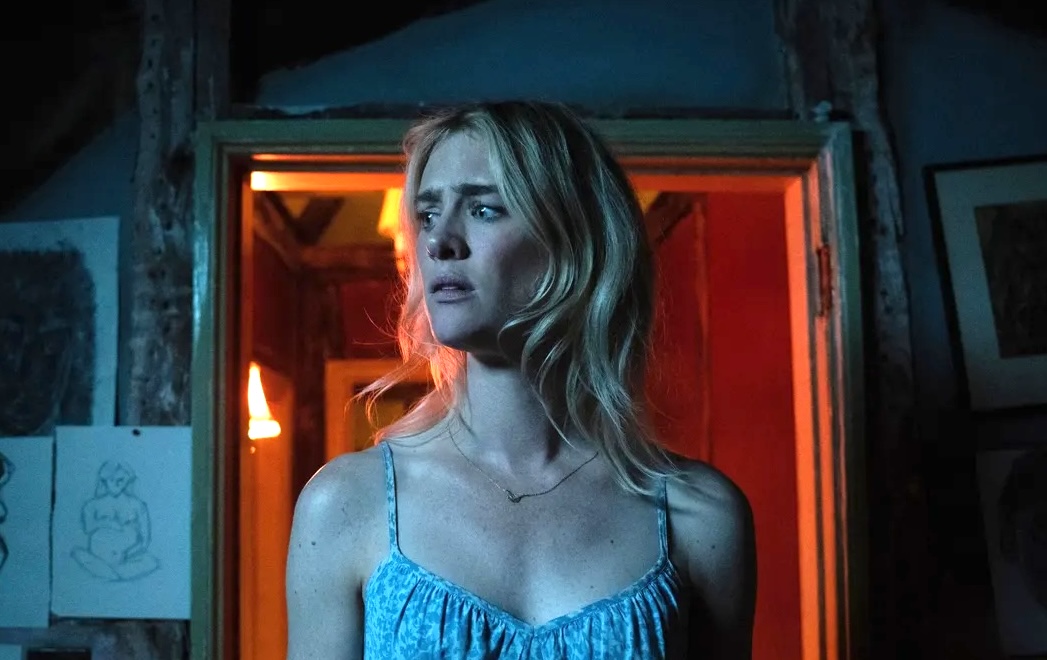
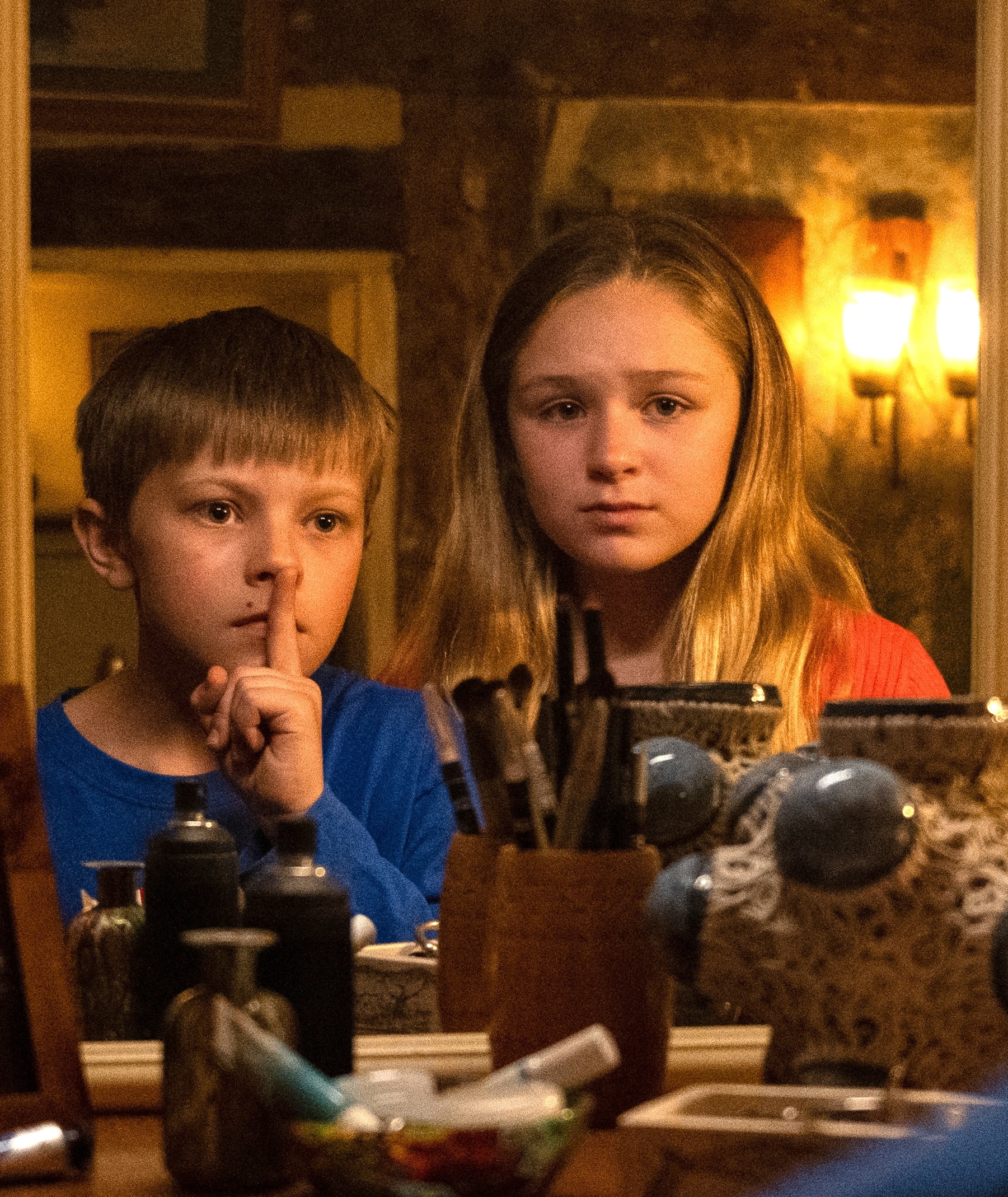
American couple, Ben (Scoot McNairy) and Louise (Mackenzie Davis), take their needy daughter, Agnes (Alix West Lefler), on holiday to Italy. Ben and Louise are currently going through a rough patch in their relationship and are looking to heal some wounds, so when they fall into company with irrepressibly confident British couple, Paddy (James McAvoy) and Ciara (Aisling Franciosi), they find themselves irresistibly pulled into their orbit. Paddy and Ciara also have a child in tow, the sullen and uncommunicative Ant (Dan Hough), who Paddy – a doctor no less – asserts is suffering from a rare condition that makes him virtually unable to speak.
The six holidaymakers get along surprisingly well. In a reversal of the usual national stereotypes, it’s the Americans who are all prim and repressed and the Brits who take delight in being loud, swaggering and generally unfettered. Then Paddy invites his new acquaintances to leave the pressures of their lives in London to enjoy a post-holiday visit to his lovely home in the West Country. Ben and Louise are at first somewhat unsure, but eventually decide to give it a go. After all, what can possibly go wrong?
Um, plenty as it turns out – but the clever thing about the screenplay (co-written by Watkins with Christian and Mads Tafdrup) is that the ensuing shenanigans at Paddy and Ciara’s suspiciously-palatial homestead are always kept just the right side of believability. This script takes its time to fully establish the American characters, so that we really care when things inevitably begin to go haywire for them. There’s a gradual evolution from edgy confrontation into the realms of full-blown horror. At first, it’s just Paddy and Ciara’s lack of propriety that’s the issue – but, as more and more boundaries are crossed, so the suspense rises to almost unbearable levels.
McAvoy’s Paddy is a wonderfully nuanced creation, by turns warm, emotive, sly and ultimately terrifying – but all the characters are nicely played and Davis in particular excels as she is increasingly compelled to compromise her beliefs. If the film’s latter stages are reminiscent of Sam Peckinpah’s Straw Dogs, well that was a very long time ago (1971 to be precise). Suffice to say that, as the narrative approaches its final furlongs, I find myself having to restrain myself from shouting advice at the screen. You know the kind of thing.
‘Don’t go back in there!’ ‘Look behind you!’ And that perennial favourite, ‘Forget about the cuddly toy!’ (You’ll need to see it to fully understand.)
One thing’s for sure. I’m never going to hear The Bangles performing Eternal Flame again without thinking of this nail-biter. Those of a nervous disposition will probably want to give this a miss, but cinematic thrill-seekers like me are going to enjoy it right down to the final frame, when they may – as I did – realise they’ve been holding their breath for a bit too long…
5 stars
Philip Caveney


 Bouquets & Brickbats