Black Hole Sign

08/10/25

Traverse Theatre, Edinburgh

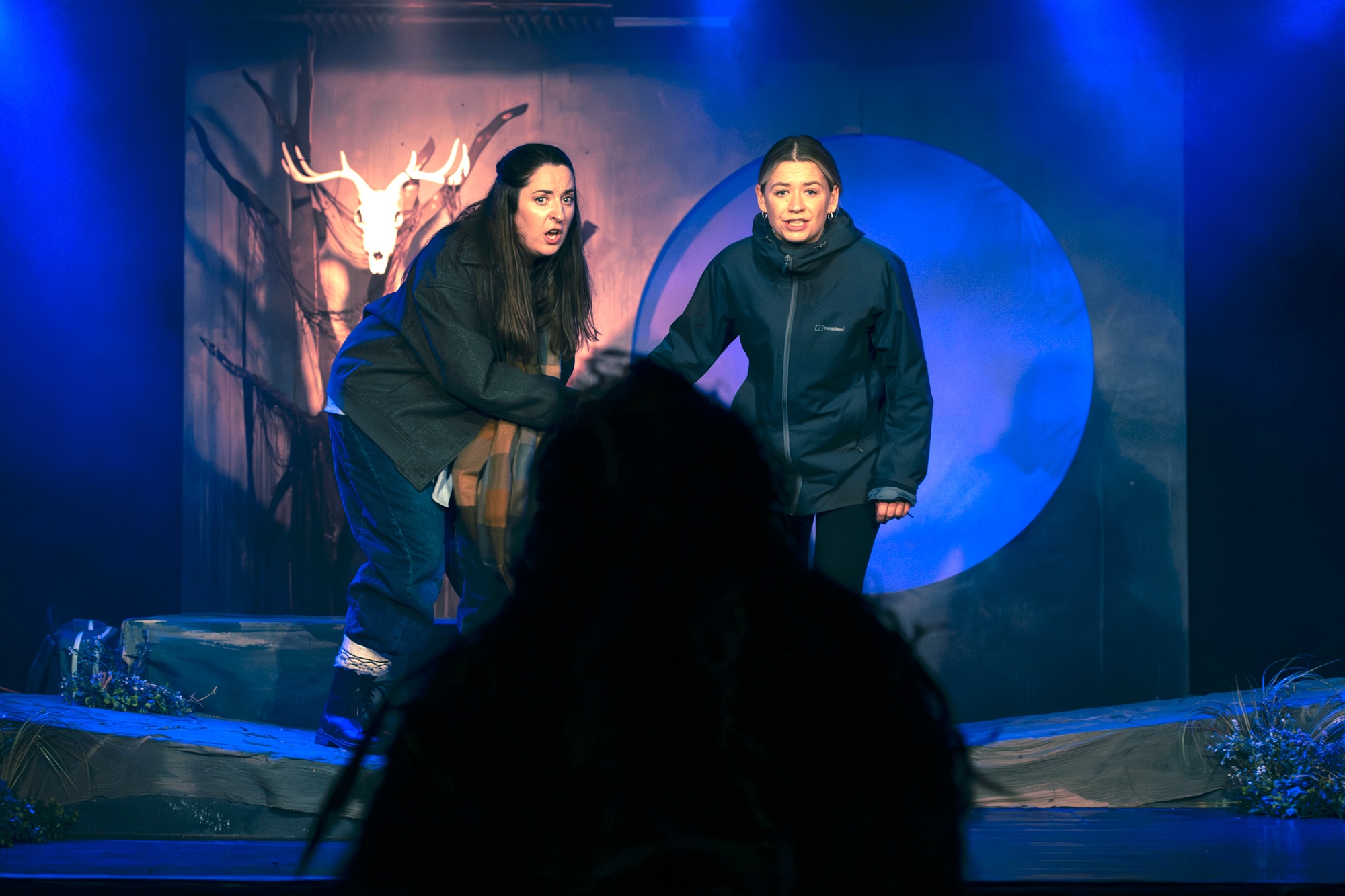
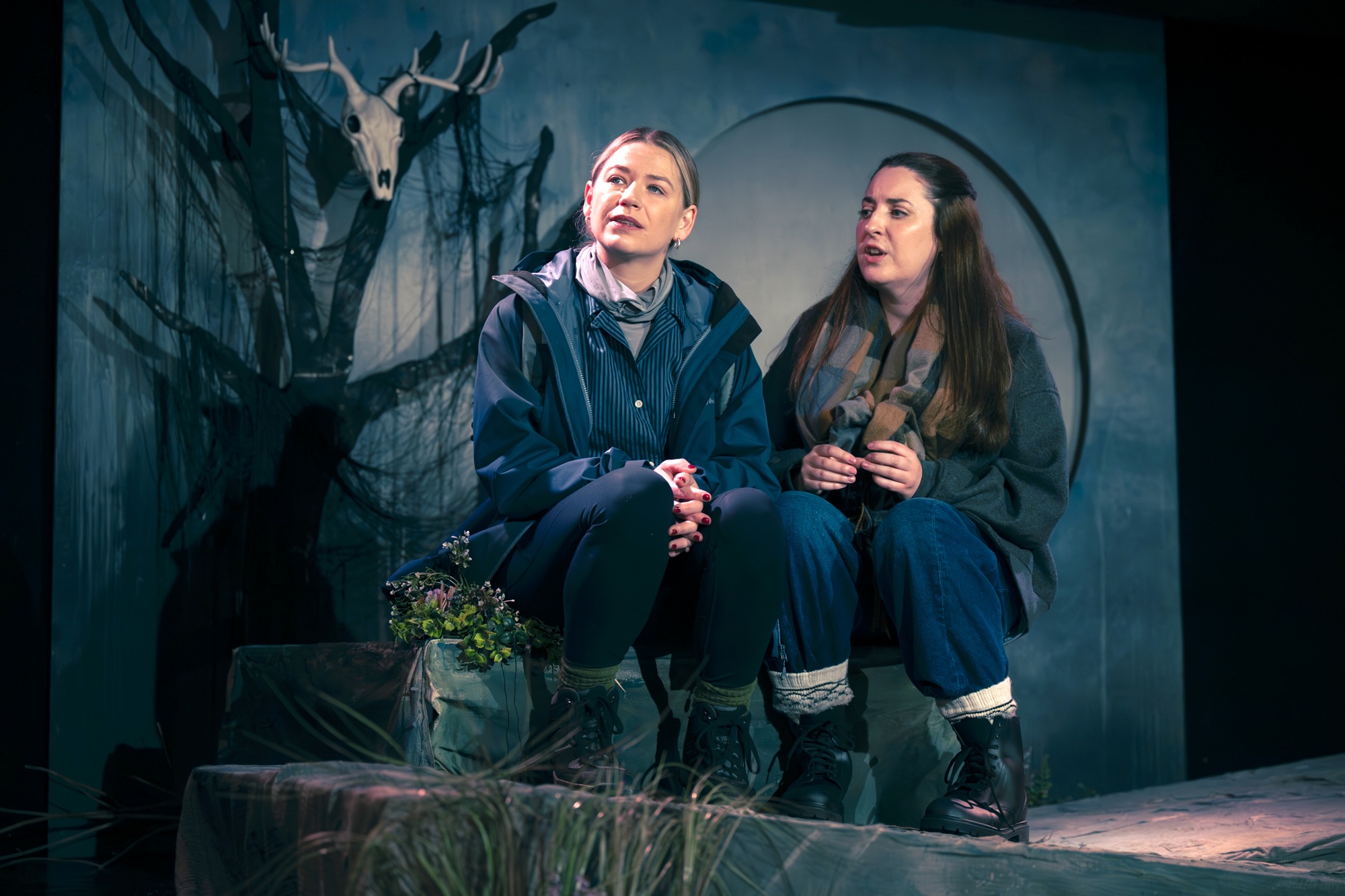
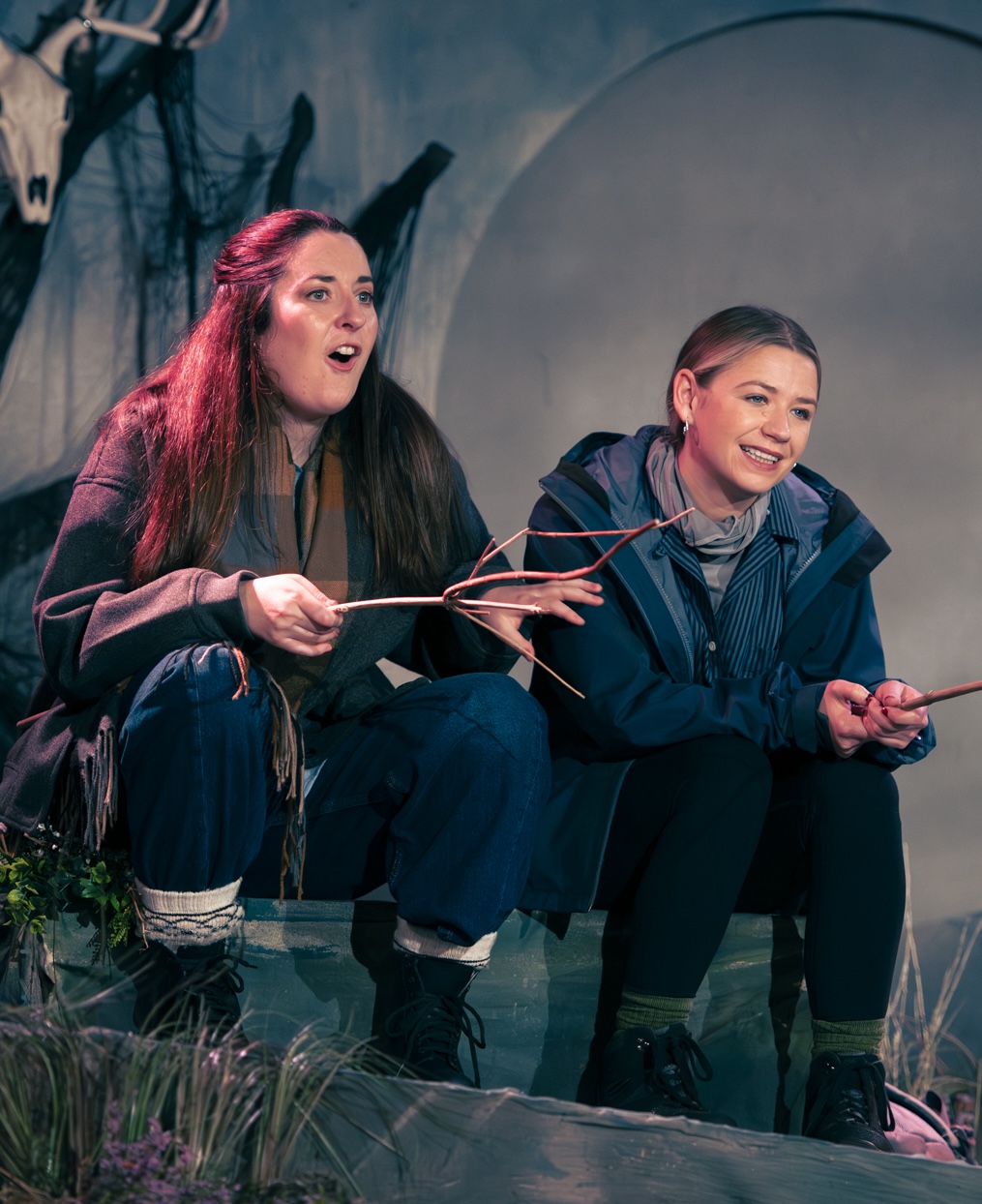
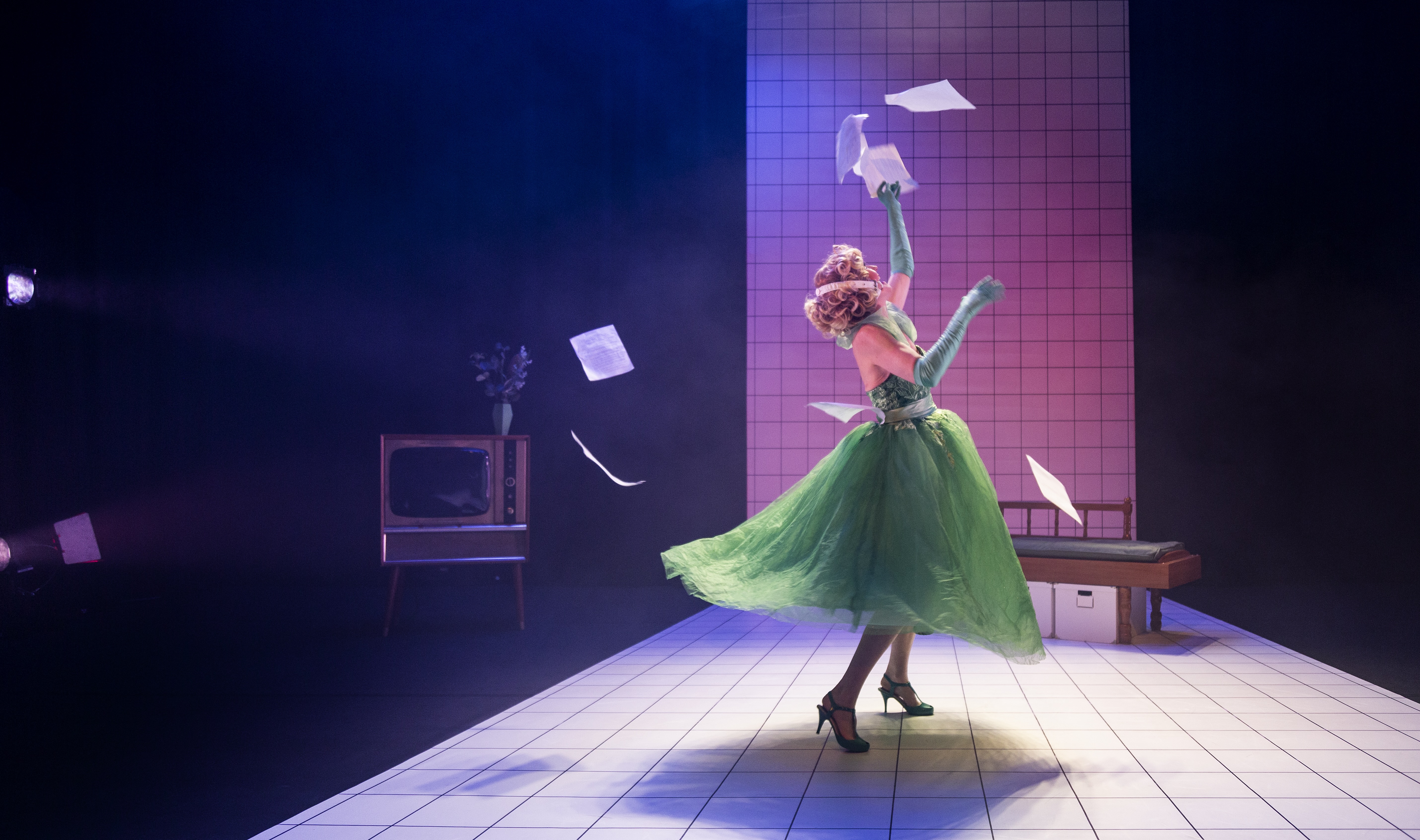
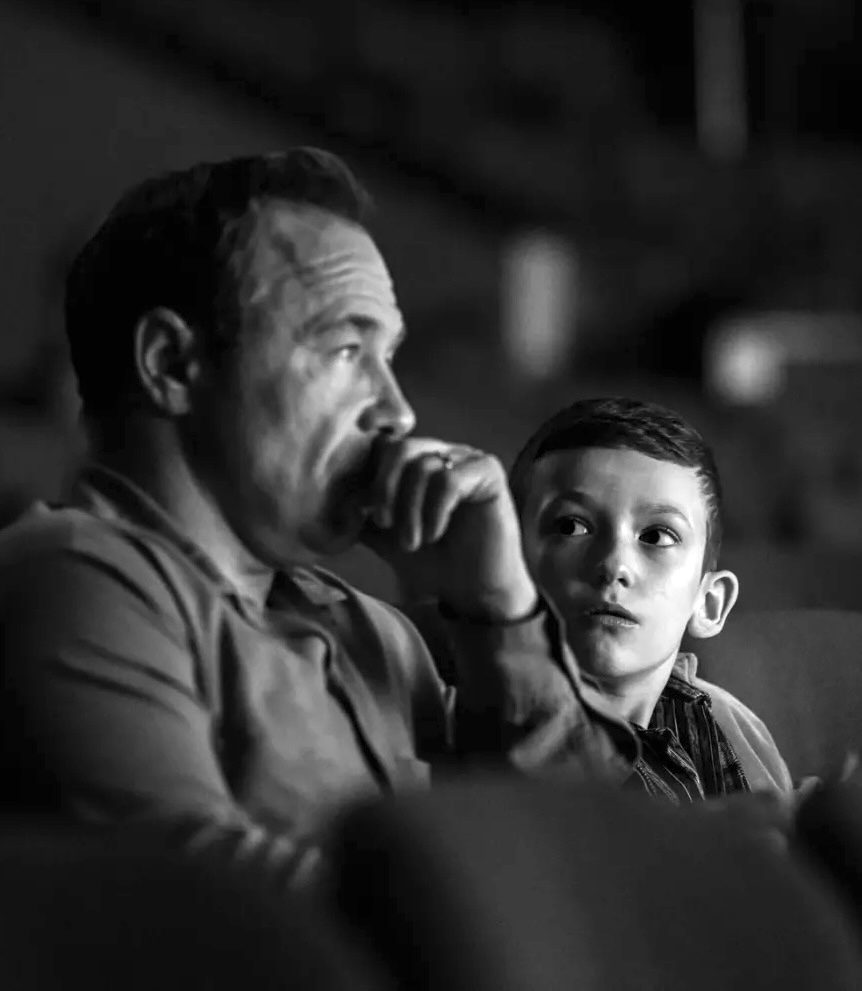
There’s a great big metaphor hanging over the unnamed hospital where this dark comedy takes place. A hole has appeared in the roof of A&E and water is dripping down onto the floor. As the story progresses, so the problem steadily worsens, the ingress ever more destructive. 

But senior charge nurse Crea (Helen Logan) and her team can only soldier on regardless, doing their best for their patients, no matter what. Crea has phoned for help about the roof only to be told (by a recorded voice) that she is number 74 in a queue. Her team include her right-hand woman, Ani (Dani Heron), currently doing a bit of soul-searching about her own future; affable porter, Tommy (Martin Docherty), who has long carried a torch for Crea; and Lina (Betty Valencia), an almost cartoonishly helpless student nurse, who arrives chewing gum to ‘help her anxiety’ and who seems incapable of walking past a litter bin without knocking it over.

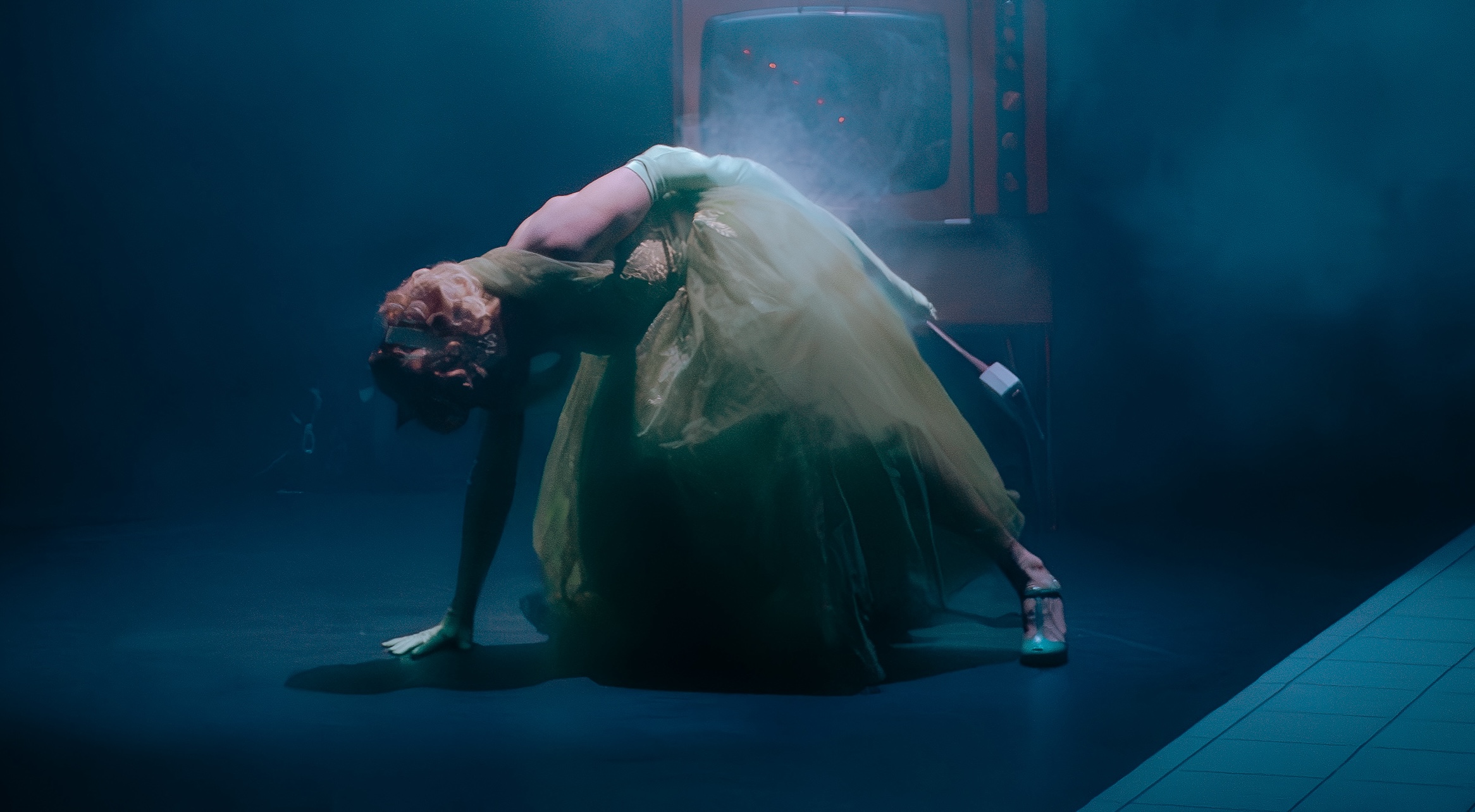
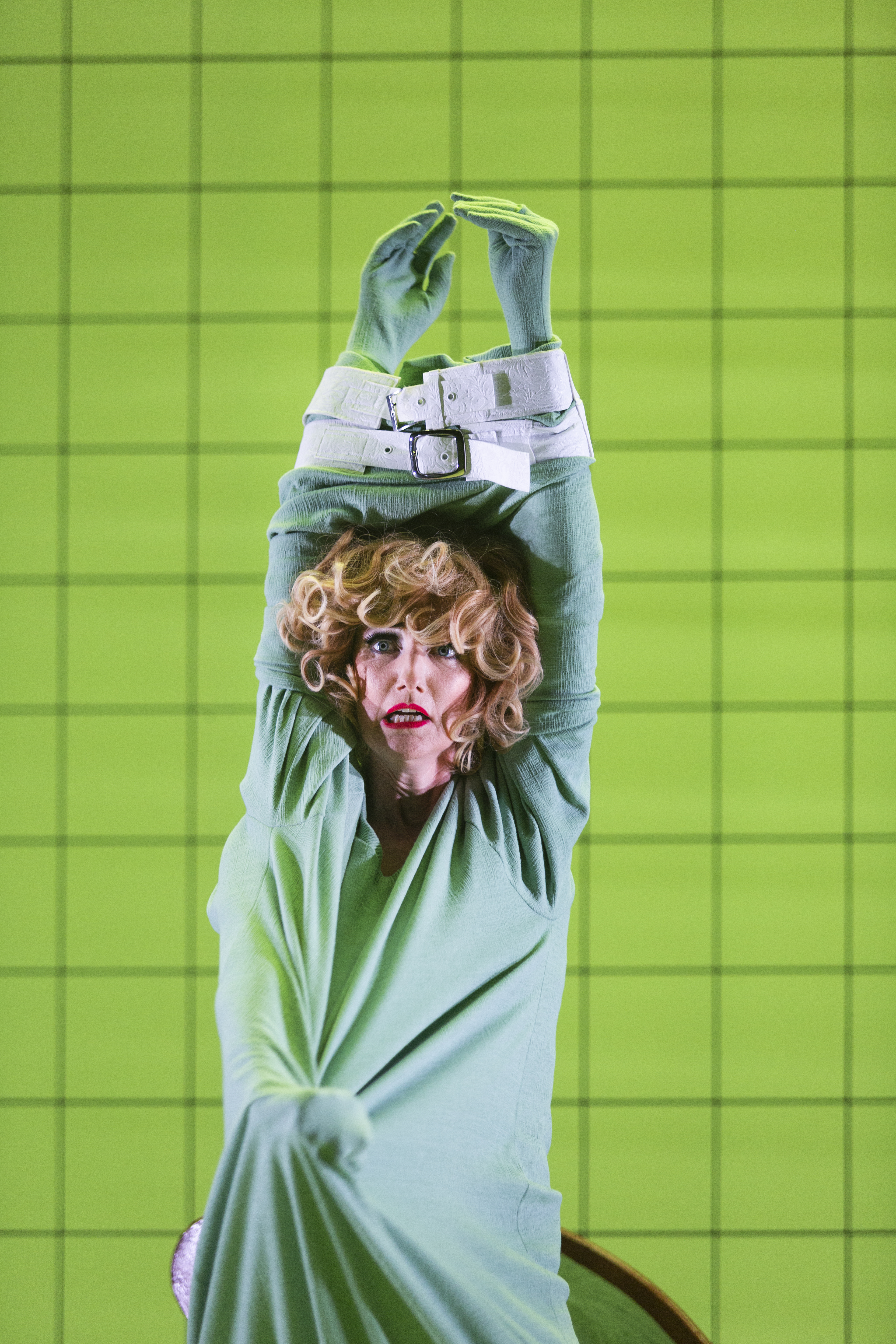
It’s clearly going to be a tricky night. Mr Hopper (Beruce Khan), a former alcoholic, is admitted with the fatal condition that gives the play its title, an inoperable affliction of the brain that is going to keep deteriorating and will cause his death in a matter of hours – but there’s no sign of anybody visiting him. Meanwhile, octogenarian Tersia  (Ann Louise Ross) is suffering from a urinary infection and is causing havoc as she experiences hallucinatory episodes that make her think that she is at a 1970s disco. The silver glittery shoes she’s wearing are all too real though.

At various points the play keeps cutting to an enquiry, some time later, where the members of staff have been called as witnesses and we learn that something really bad happened on that fateful night, resulting in a tragic death. It’s all too clear that somebody is going to have to pay the ultimate price for this disaster.

Playwright Uma Nada-Rajah is herself a staff nurse, who works in critical care, so it’s little wonder that, despite the sometimes slapstick levels of humour on display, the piece feels authentic, clearly inspired by events that the writer has actually experienced. It’s not the eviscerating howl of despair I came in expecting but then, such grim polemics can sometimes make for difficult viewing, so here the bitter pill has been sweetened with a shot of humour. Amidst the laughter, important points are being driven home.

It’s clear from the outset that tonight’s audience is on board with this fast-moving production, cleverly directed by Gareth Nicholls, though I must confess to being somewhat puzzled by a lengthy blackout, which – considering how little has changed when the lights come back up – seems unnecessary.

This niggle aside, the hearty applause at the play’s conclusion suggests that everyone present is in agreement with the story’s subtext. The National Health Service – one of the greatest institutions of modern times – is on its last legs and anything that forces this pressing concern into the spotlight is more than worthy of our attention.

4 stars 

Philip Caveney

Cheapo

07/10/25

Traverse Theatre, Edinburgh

Last time we saw this play – back in December – I was a little confused by the title. This version comes with a strapline that makes things a whole lot clearer – “Cheapo: chess slang for a primitive trap, often set in the hope of swindling a win from a lost position.”

Cheapo‘s previous appearance at the Traverse was part of the annual 4PLAY programme, where four new plays are showcased over four nights. It was our favourite of last year’s quartet, and I’m delighted to have the chance to watch this new iteration.

Katy Nixon’s script still resonates: her writing is spare and succinct, capturing the teenage characters’ raw emotions with devastating precision.

And their emotions are very raw. At a recent party, something dreadful happened to Kyla (Yolanda Mitchell) and she needs Jamie (Testimony Adegbite) to help her deal with the fallout. But Jamie isn’t prepared to renege on what he’s told the police – and he doesn’t understand why Kyla wants him to. In a not-especially-subtle-but-nonetheless-effective metaphor, they play a game of chess, arguing about their possible moves while fighting to avoid checkmate. The mounting tension is expertly undercut by some quirky flights of fancy, as the duo imagine how their lives might have played out in alternate universes – before coming back down to earth with a bump, still mired in the nightmare of their current reality.

The set, by Gillian Argo, is boldly emblematic: a crooked panel of black and white checkered flooring spreads up on to the wall, mirroring the chess board Jamie places on the table. A red carpet appears to signal the dangerous path the pair are on; again, the colour is repeated, this time in the takeaway food cartons that litter the table. It’s cunningly designed, with monochrome stools resembling giant pawns and strip lights that double as, um, light sabres.

Brian Logan is in the director’s chair this time, and the piece is perfectly paced, with long moments of stillness and contemplation punctuating the frenetic teenage energy. The movement is dynamic and I especially enjoy the dance sequences, as well as the way Kyla moves like a chess piece in the imaginary court scene.

Adegbite and Mitchell are perfectly cast: his earnest geek nicely contrasting with her streetwise façade. The exploration of misogyny and racism feels credibly rooted in their characters’ teenage experience, and their respective vulnerabilities and coping mechanisms are skilfully embodied.

Despite dealing with distressing themes, Cheapo is a witty and enjoyable piece of theatre, provocative but ultimately hopeful, that red carpet perhaps signifying something more positive than it first appears: an escape route for our young protagonists.

4.7 stars

Susan Singfield

Steve

05/10/25

Netflix

Adapted from his own book, Max Porter’s screenplay is a heart-wrenching tragedy, castng a merciless light on what we’re up against when it comes to helping troubled kids. There’s a change of title – the novella Shy becomes the movie Steve, indicating a shift in focus, from teenage protagonist (Jay Lycurgo) to forty-something headteacher (Cillian Murphy).

Shy and Steve are two sides of the same coin: two clever, gentle, unhappy men, with substance-abuse issues and deep seams of anger, always bubbling, ready to erupt. If Steve has better control of his problems, it’s only because he’s older and more experienced at hiding things.

Directed by Tim Mielants, the movie opens on an auspicious morning: a local news crew is visiting Stanton Wood, filming a segment about Steve’s experimental boarding school for challenging students. It’s a last-chance saloon for those who’ve been excluded from everywhere else, described by TV host Kamila (Priyanga Burford) as “a pre-Borstal”. The model is a Finnish one, Steve explains. We never quite learn what this entails – what pedagogical theories are being employed – but we do see that the staff genuinely care for the boys, treating them with love and respect and never talking down to them. Unlike their out-of-touch local MP, the loathsome Sir Hugh Montague Powell-pronounced-Pole (Roger Allam), who soon comes unstuck when he tries to patronise Shy.

Sadly, the institution is teetering on a knife-edge as sharp as any wielded by its inmates. Funding is an issue, of course, as is public perception. It costs £30k per annum to house a single young offender here. Are these “losers” worth it?

For Steve, the answer is a resounding yes – a sentiment echoed by his deputy, Amanda (Tracey Ullman), school therapist, Jenny (Emily Watson), and teachers, Andy and Shola (Douggie McMeekin and Little Simz). But there’s no denying it’s a taxing job, breaking up the near-constant fights between wind-up merchant Jamie (Luke Ayres) and coiled spring Riley (Joshua J Parker), dealing with the boys’ emotional trauma and protecting the grown-ups from their worst excesses.

In hindsight, maybe inviting a TV crew to immortalise the chaos isn’t the best idea Steve’s ever had…

And when two representatives of the school’s trust, Charlotte and Julian (Ruby Ashbourne Serkis and Ben Lloyd-Hughes), inform Steve that the school is being shut down, it’s more than he can bear. What will happen to the damaged children he’s worked so hard to protect? For most of them, Stanton Wood represents the only stability they know.

Murphy is riveting as the desperate Steve, and it’s heartbreaking to watch his hope unravel as the film goes on. The boys provide some light relief, their devil-may-care fuck-you attitudes affording some real laughs, even as they squander their chances, fail to live up to the goals they’ve been set. At Stanton Wood, they’re allowed to pick themselves up and try again. Shy serves as a symbol of redemption, and Lycurgo imbues him with a beautiful naïvety, so that we’re rooting for him every step of the way.

A thought-provoking indictment of a broken system, Steve is available to stream from Netflix, and – despite its title being the dullest I’ve ever come across – the film is well worth your attention

4.1 stars

Susan Singfield

Dead of Winter

05/10/25

Cineworld, Edinburgh

Dead of Winter has only been granted a limited screening in UK cinemas before moving on to streaming, but provided a multiplex near you is showing it, it’s well worth making a trip out for. This edgy action thriller has me in its tenacious grip pretty much from the word ‘go.’

Barb (Emma Thomson) leaves her remote home in Northern Minnesota to make the arduous drive to the even more remote Lake Hilda for a reason that’s only gradually revealed as the story unfolds. As you might guess from the film’s title, she’s chosen a pretty challenging time of year to undertake her journey. On the way to the lake, she stops off at an isolated homestead to ask for directions and encounters ‘Camo Jacket’ (Marc Menchaca), who is acting in a decidedly suspicious manner. Barb can’t help but notice an ominous splash of blood in the snow, which the man attributes to ‘deer.’

She continues to the lake where she engages in a spot of ice-fishing, but then witnesses a young girl fleeing from Camo Jacket. Barb watches horrified as she is dragged back in the direction of his cabin and then follows at a distance. It’s soon apparent that the girl is being held hostage in the cellar of the man’s house. But what can Barb do? She cannot call the police since there’s no phone signal in these parts, but she’s nevertheless determined to help Leah (Laurel Marsden) and will not quit, even when Camo Jacket’s trigger-happy wife, The Purple Lady (Judy Greer), turns up at the cabin and the bizarre motives behind the kidnapping are explained…

Written by Nicholas Jacobson-Larsen and Dalton Leeb, and masterfully directed by Brian Kirk, Dead of Winter alternates scenes of extreme tension with gentler flashbacks to Barb’s youth, where she’s played by Thompson’s real life daughter, Gaia Wise. While I involuntarily bristle at nepotism, I have to grudgingly admit that this is a convincing move and, happily, the enormous potential for sentimentality in these scenes is skilfully side-stepped: indeed, I find them genuinely affecting.

We’ve all seen those ‘geri-action’ movies where elderly men miraculously transform into athletic heroes, capable of throwing kicks and punches like pros, but this iteration keeps everything within the realms of believability. Barb shows the limitations of her age but also displays her stubborn determination to just keep going no matter what, putting one snow-boot in front of the other. And, having existed in this hostile land for many years, she has a few tricks in her tackle box that will give her a competitive edge.

The snowbound locations, often filmed using drones – it was actually shot in Finland – look absolutely ravishing on the big screen, and you’re uncomfortably aware of the sub-zero temperatures throughout. Those of a nervous disposition should be warned that a scene where Barb is obliged to perform surgery on herself – with a fishing hook – might make you want to avert your gaze.

It’s impossible not to watch this and picture Frances McDormand in the lead role but Thompson is a brilliant actor and captures this character in every detail, as well as doing a very creditable job of handling the Minnesotan accent. Greer is also compelling as a woman driven to unreasonable acts by her own tragic circumstances. It’s only in the final scenes that all the pieces fall into place and I manage to get my breathing back to its usual rhythm.

4.4 stars

Philip Caveney
One Battle After Another

04/10/25

Cineworld, Edinburgh

We’re uncharacteristically late to this one, mostly because in its week of release we are in a camper-van in the wilds of Scotland and no cinema in that vicinity is showing it. Not complaining, you understand, people need to have holidays, but this is a film by Paul Thomas Anderson, whom I’ve held in special esteem ever since watching Boogie Nights way back in 1997. And all those ‘best film of the year’ reports make me impatient to get back to civilisation.

Mind you, I’d be the first to admit that, in recent years, PTA has (at least for me) gone off the boil a bit. Unlike many of his followers, I didn’t really care for 2017’s Phantom Thread and his last offering, 2021’s Licorice Pizza, though a warm and appealing slice of nostalgia, wasn’t the finest work from the director of There Will be Blood and (in my humble opinion) his masterpiece, Magnolia.

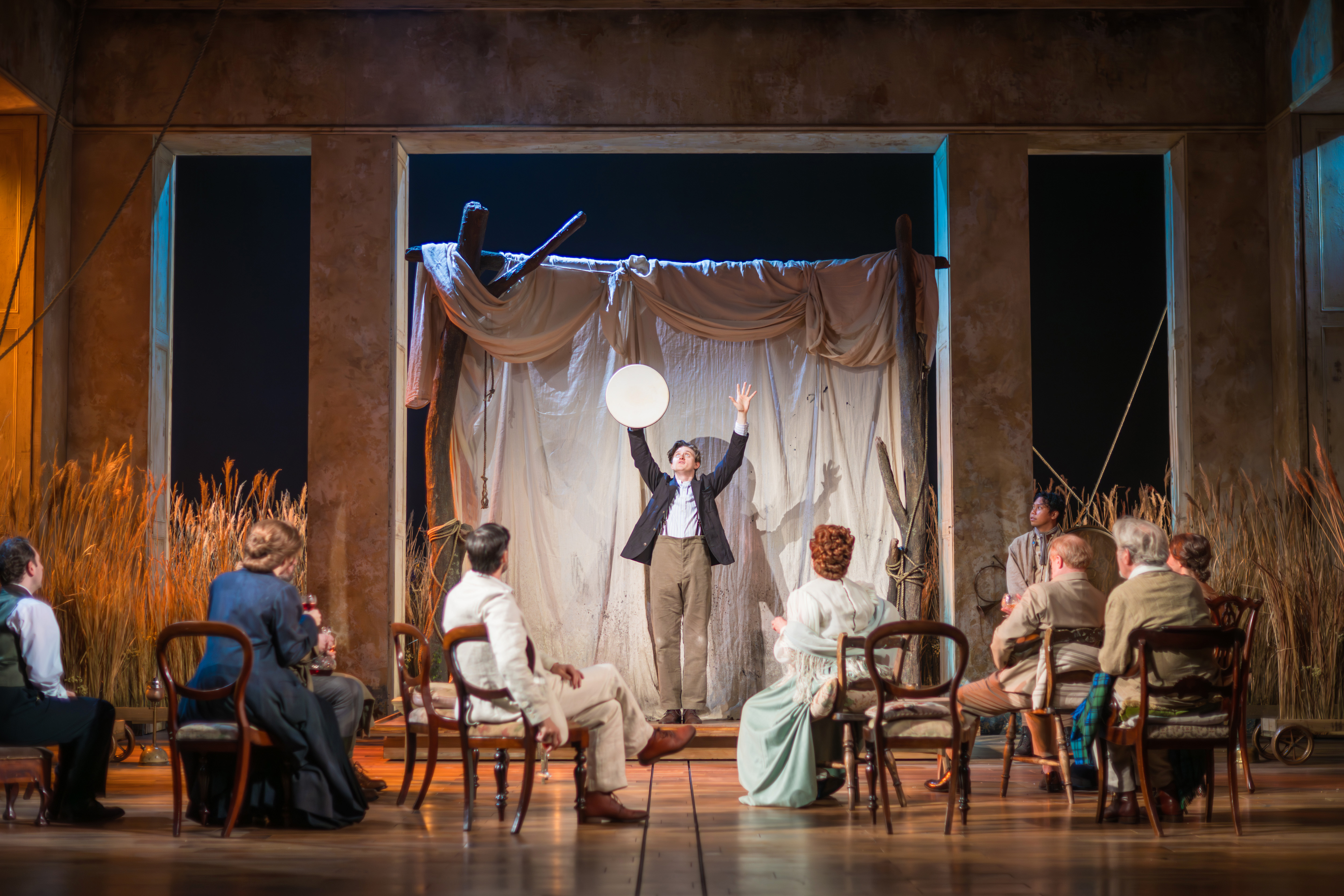
One Battle After Another, as the name suggests, is an action film, perhaps the last genre I’d have expected this most enigmatic of film-makers to explore but, happily, he puts his own unique spin on it, producing a sprawling, multi-faceted tale set over the best part of two decades. It’s larger than life, peopled by a series of eccentrically-named caricatures and yet, once it settles into its stride, it manages to exert a powerful grip.

We first join the action as Pat Calhoun (Leonardo DiCaprio) and Perfidia Beverly Hills (Teyana Taylor), along with other members of their far-left terrorist group, French 75, launch an armed attack on a detention centre in California and free all of the captives. During the action, Perfidia encounters the unit’s commanding officer, Steven Lockjaw (Sean Penn), and – in a move intended to humiliate him – makes him masturbate at gunpoint. However, this only causes him to fixate on her, something that will have inevitable consequences further down the line.

Pat and Perfidia become partners, but their haphazard attempts to parent their baby daughter, Willa, seem doomed to failure – especially when Perfidia is captured and forced into witness protection, and Pat is left to deal with the situation alone.

Sixteen years later, Willa (Chase Infiniti) has grown to be an independent teenager, preferring to follow the guidance of her karate instructor, Sergio (an underused Benicio Del Toro), than her drug-addled old man. Pat hasn’t been involved in any terrorist activity in years, preferring to experiment with every drug he can lay his hands on but when, out of the blue, a coded telephone call reaches him, announcing that Lockjaw (now a Colonel) is coming after Willa, he’s forced to get up off the sofa and go to her aid…

From this point, the film pretty much delivers on the promise of the title – it’s a frenetic, explosive and breathless chase filtered through cinematographer Michael Bauman’s VistaVision lenses, and backed by Jonny Greenwood’s eccentric score. Written by Anderson and loosely based on Thomas Pynchon’s novel, Vineland, the director has reputedly been working on this project for something like 20 years so it’s remarkable that it feels as timely as it does.

DiCaprio is wonderfully endearing as the hapless Pat, desperately trying to remember passwords that he hasn’t used for far too long, while Penn, as the heinous, macho Lockjaw, is the personification of a living GI Joe action figure, a man committed to preserving his outward appearance, while inside he’s a festering, ambitious wreck. But strangely, it’s newcomer Infiniti who really impresses here as the quietly determined Willa, who, when pushed, snaps back with the stubborn tenacity she’s inherited from her mother.

One Battle After Another is a searing condemnation of contemporary America, a world where freedom has to be fought for with extreme violence, where the most cold-blooded assassins hide behind the personas of smiling, corn-fed patriots. PTA finds original ways to explore the most well-worn conventions. Even the old fall-back of the car chase is given a mesmerising makeover, as vehicles glide silently through a shimmering waterfall of desert roads like some kind of LSD-induced hallucination.

Despite a hefty running time of two hours and 41 minutes, the film flashes by in what feels like half that time and it’s clear pretty much from the outset that Paul Thomas Anderson is back on form. Whatever comes next, I’m already looking forward to it.

4.8 stars

Philip Caveney

Common Tongue

03/10/25

The Studio at Festival Theatre, Edinburgh

Writer-director Fraser Scott explores the knotty relationship between language and identity in this searing polemic, which – despite the complexity of the subject – is both accessible and very funny.

Bonnie (Olivia Caw) is fae Paisley, where she lives with her beloved Papa and speaks like him too. She’s sparky and clever and, as she grows up, keen to spread her wings and see the world.

Step one is St Andrew’s University, where her flatmates are all from England or Edinburgh – “aun a dinnae ken which is worse.” They tease Bonnie about the way she speaks, and she gives as good as she gets, mocking their accents in turn. But of course it’s not the same. The English girl who says, “You have to be okay with how we sound too,” is missing the point. The way she sounds isn’t always on the brink of being wiped out, has never been banned, will never disadvantage her. But Bonnie doesn’t yet have the words to articulate this point.

Step two is a year in the USA, where even those who enthusiastically claim their “Scotch” ancestry struggle to understand anything Bonnie says. She finds herself having to speak slowly and Anglicise her language, which seems harmless enough but it’s tiring. It takes its toll.

Back on home turf, a graduate now, killing time while she works out what she wants to do with her life, Bonnie is disconcerted by Papa telling her that she sounds different: “pure posh.” She realises she has to make a choice. Will she sacrifice her voice to achieve success in an unequal world, or will she roar at the injustice and fight to be heard on her own terms?

This is a demanding monologue and Caw’s performance is flawless, at once profound and bitingly funny: the jokes delivered with all the timing and precision of a top comedian; the emotional journey intense and heartfelt.

Patricia Panther’s sound design is integral to the production, and I especially like the use of multiple microphones, clustered to denote new places and people. Admittedly, there’s a lot of competition from Storm Amy raging outside and rattling the pipes, but it’s effective nonetheless.

Fraser makes his points cogently, probing both the Sapir-Whorf hypothesis (that the language we use shapes the way we think) and the repercussions of linguistic colonialism. As a Welsh woman, I’m familiar with historical tales of school-kids being punished for speaking Cymraeg, but the Scots issue is clearly ongoing. In fact, as I leave the theatre tonight, I bump into one of the teenagers who attends the drama club I teach. He tells me that he was sent out of class recently for saying, “I ken,” that his teacher deemed his language “cheeky.” I think his teacher needs to see this play.

Kinetic and engaging, Common Tongue has a lot to say and a braw way of saying it.

5 stars

Susan Singfield

Her

02/10/25

Traverse Theatre, Edinburgh

High school can be a minefield for some students, as Her (Eleanor McMahon) discovers when partially- clothed photographs of her start to appear on social media and are gleefully shared around her class, fuelling heartless gossip and ill-founded assessments of her character.

But who is to blame? Is it her so-called boyfriend, Ryan, who took the photos without her consent? Is it his friends, who shared them without his? Is it Him (Reno Cole), the boy she grew up alongside and who has always seemed so supportive but doesn’t stand up for her now? She knows that he has problems at home and that he sometimes struggles with his own issues, but how could he let her down like this?

Meanwhile, B1 (Zara-Louise Kennedy) and B2 (Alex Tait) are always on hand to analyse things, making snarky, acerbic observations like some kind of teenage Greek chorus, moving swiftly from role to role as they deliver their characters’ different reactions to the situation.

Strange Town’s tightly-structured production, written by Jennifer Adam and directed by Steve Small, is an object lesson in how to deliver a polemic and should be required viewing for teenagers across the land. Tight, propulsive and perfectly-pitched, its anchored by excellent performances by its four young actors, the serious message punctuated (but never diluted) by the quirky witticisms expertly delivered by Kennedy and Tait.

In the age of social media, moral lines can sometimes seem blurred, but Her sets out its premise with absolute clarity. As the show embarks on its third tour, its message seems more relevant than ever – and, while it’s clearly aimed at young audiences, it’s a production that speaks to people of all ages.

4.5 stars

Philip Caveney

Night Waking

01/10/25

Traverse Theatre, Edinburgh

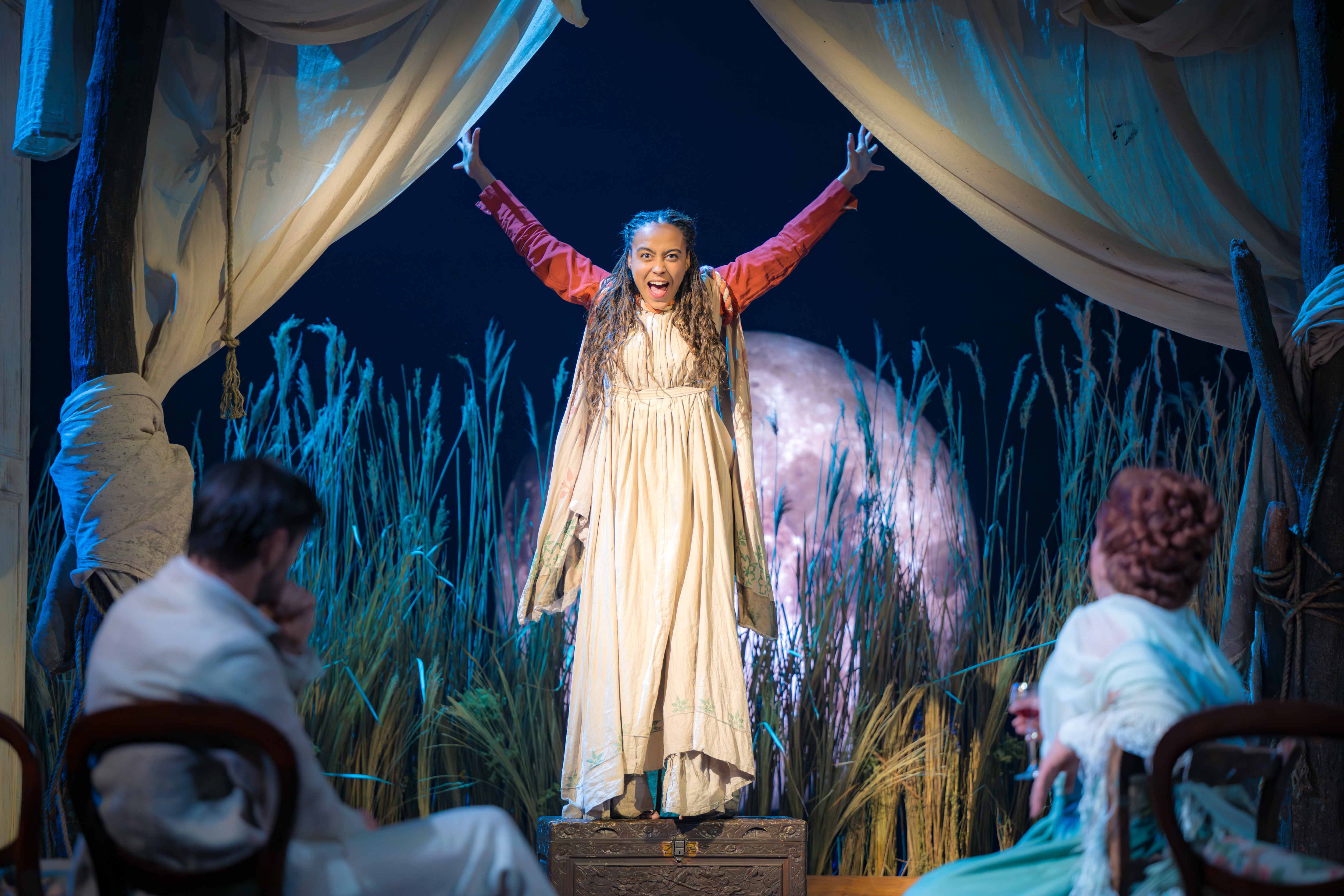
Adapted from Sarah Moss’s novel, Shireen Mula’s Night Waking is complex and demanding, exploring motherhood, colonisation and the ramifications of history. Nicola Jo Cully performs this challenging two-hour monologue with aplomb, segueing between a range of disparate characters, convincingly portraying the protagonist’s mounting despair.

To be fair, despair seems like a reasonable response to the situation Anna finds herself in. Temporarily uprooted from Oxford to a remote Scottish island, she feels marooned, alone all day with her two young children, while her husband, Giles, conducts his ornithological research into the declining puffin population. Her own academic career has stalled since she became a mum, and her attempts to write are stymied by the overwhelming demands of childcare and housework. She’s already feeling angry and depressed – murderous, even; suicidal – so the discovery of a baby’s bones in the garden is the final straw.

And it’s not the only skeleton in the manor house’s cupboard. Giles has recently inherited the island, and historian Anna is horrified when she uncovers evidence of the atrocities his ancestors perpetrated. No wonder the locals are so unfriendly; old resentments run deep.

I love the overlapping nature of the storytelling here, the way the script skips back and forth in time, slowly peeling back the layers to reveal more about both Anna’s situation and the island’s dark history. Rebecca Atkinson-Lord’s agile direction is complemented by Hugo Dodsworth’s impressive set and video design: the projected background images jolting us from one scene to another, as scattered and disconnected as Anna’s sleep-deprived thought processes; the open grave an unmistakable metaphor for digging up the past.

However, I’m not always convinced by the content. The historical aspects are a matter of record so – shocking though it is – I can easily believe that landowners forcibly shipped the impoverished islanders to Canada, and that infant mortality rates were devastatingly high. It’s the contemporary sections that stretch credulity. Am I really supposed to accept that an Oxford professor would allow her husband’s complete abdication of parental responsibility? That an educated, well-to-do 21st century man would interrupt his wife’s work meeting because their baby won’t stop crying? Any family wealthy enough to own an entire island would surely hire a nanny if they were struggling to cope.

A play to admire, perhaps, rather than to enjoy, Night Waking is wide-ranging and ambitious, as thought-provoking as it is informative, and I find myself utterly absorbed in Anna’s tale. The play’s closing statement, revealing how little has changed for the Highland’s inhabitants over the years, provides a hammer-blow of a conclusion.

4 stars

Susan Singfield

The Wee Choo-Choo

28/09/25

Platform Three, Rie-Achan Road, Pitlochry, Perthshire

We’re in Pitlochry as part of a five-day camper-van trip and we’re getting a bit bored of the simple meals we can rustle up on our tiny stove, so we decide to look online for somewhere good to eat. There are plenty of cafes and inns to choose from but the place that really catches our eye is The Wee Choo Choo. As the name suggests, it’s a restaurant in an unusual location: a specially converted train carriage – and not just any old train! The last time we saw this 1960s locomotive it was thundering across a movie screen in Mission Impossible: Dead Reckoning, while up on the roof Tom Cruise and Esai Morales were engaged in fisticuffs.

Rescued from a storage depot in darkest Middlesex by steam train enthusiast Fergus McCallum, one of the train’s carriages is now a high-end Thai restaurant. McCallum’s wife, Isara, handles the cooking and his daughter, Mia, takes care of the management, while McCallum acts as mâitre de. It’s Saturday midday when we drop by and there are a lot of bookings for the evening so, at first, it looks like we’re going to be out of luck, but Mia promises she will call us if she can possibly squeeze us in.

The hours pass and, just as we’re contemplating the prospect of another one-pot meal, our phone rings and Mia tells us there’s been a last-minute cancellation. We virtually sprint the short distance from our campsite to platform three…

Of course, it crosses my mind on the way there that, with such a unique setting, the food may just be mediocre fare, but happily this is not the case. On the contrary, the meal we sit down to represents some of the best Thai cuisine I’ve ever eaten. We begin with a couple of mouthwatering starters.

Goong-Sa-Rong features a couple of juicy King Prawns wrapped in crispy, crunchy yellow noodles and arranged on an avocado salsa salad. Gai Satay comprises chunks of tender marinated chicken on a skewer and a vegetable spring roll filled with crisp vegetables, glass noodles, cabbage and carrot. Both dishes are bursting with flavour and they look every bit as delightful as they taste.

The main courses are equally captivating. There’s Ma-Sa-Man Curry, slow-simmered in coconut milk. We’ve opted to try the duck leg version, (chicken or pork are also available), centred around a large drumstick, the meat of which is literally falling from the bone. It’s tender, mouth-watering and utterly captivating. It’s accompanied by a mound of perfectly cooked jasmine rice, a helping of tamarind and cinnamon potato and some crispy shallots. Moo-Ob-Nam-Pung is a generous helping of honey-pork spare ribs, slow-cooked in a sticky sweet sauce with another mound of that perfect rice. Again, the ribs are perfectly cooked and that sauce so enticing it’s all I can do to refrain from licking the plate clean.

Of course we have to try some puddings, so we opt for Rubies Pearl, a hand-rolled dessert with butterfly pea flower, sweet potato, fresh seasonal fruit in coconut milk and a scoop of homemade coconut ice cream. And then there’s the pièce de résistance, Thai Mango & Sticky Rice. We’ve heard cooks talk about these mangos, which have a very short season and are said to be the finest in the world. I have to admit, I’ve never tasted better, and when that incredible flavour mingles with warm rice pudding and more of that yummy coconut ice cream, the result is on another level.

Could this meal possibly be any better? Well, only if Tom Cruise were to suddenly climb down from the roof and come in through the window to say hello. And even then, he’d need to keep well away from these mangoes, because I’m not planning to share my portion with anyone!

Hats off to the very affable Fergus McCallum (who was more than happy to talk about his project and the culinary skills of the very talented Isara). Here’s my recommendation to anyone who happens to be within striking distance of Pitlochry in the near future: book your seats and make your way to Platform Three at full speed, where The Wee Choo Choo is waiting to supply the food of your dreams.

But hurry! Mango season is nearly over for another year…

5 stars

Philip Caveney

5 stars

Philip Caveney
FEIS

23/09/25

Traverse Theatre, Edinburgh

All is not well at Maguire’s School of Irish Dance. Back in the day, this Glasgow-based outfit was seen as a leader in its ghillie-footed field, when Deirdre (Louise Haggerty) won enough rosettes to paper the walls of her teenage bedroom. Decades later, the school’s fortunes are flagging disastrously and she’s been reduced to offering a ‘VIP’ service, performing online for an exclusively male clientele, who are not above offering extra money for her used socks.

Deidre’s mother, Maura (Julie Coombe), is blissfully unaware of these new measures but, when her teenage granddaughter, Aoife (Leah Balmforth), falls flat on her face at the 2023 Irish World Championships, things look pretty grim. Then Maura manages to scare off the school’s only other decent dancer and it’s clear that something has to give…

Billed as a dark comedy – though perhaps the term ‘farce’ might be more appropriate – FEIS (pronounced fesh) is a cautionary tale about ambition and the lengths to which some people are prepared to go to in oder to secure a win.

Writer Anna McGrath pursues the laughs with a vengeance, though it has to be said that the various twists and turns of the story often defy credibility and, in one particular instance, a real-life star of the Irish dance world has a pretty heinous accusation levelled against him.

Haggerty gives the lead role her all, even throwing in what looks to this novice like an impressive bit of Irish-dancing, but I remain unconvinced that anybody would go to the lengths Deidre does in order to attain her objective. Balmforth feels severely underused throughout, while Coombe’s is obliged to deliver a series of fat-shaming comments at an unseen dancer that feel somewhat at odds with contemporary thinking. (This may be the point but it feels ill-judged to me.)

Musician Brian James O’ Sullivan adds some spirited jigs and reels to the proceedings. Michael Flatley, meanwhile, was unavailable for comment.

3 stars

Philip Caveney