Month: October 2024

Heretic

31/10/24

Cineworld, Edinburgh

It’s Hallowe’en so it feels only natural to take in a creepy movie on this most auspicious of days. We’re reviewing some theatre tonight, so we decide to nip in to an afternoon showing of Heretic, which is having advance screenings prior to its full release tomorrow. The trailers have been promising (though, annoyingly, they show far too much of the actual film for my liking) and the idea of seeing Hugh Grant explore his darker side sounds like fun, so in we go.

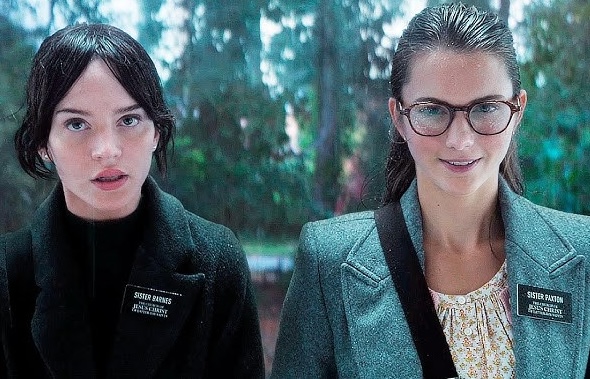
Sister Barnes (Sophie Thatcher) and Sister Paxton (Chloe East) are Mormon missionaries whose thankless daily ritual is to go out into the world to try and enlist converts to their faith. In early scenes we see them cycling around an unnamed backwater of America, being roundly ignored by everyone they approach – apart from some teenagers who pull down Sister Paxton’s skirt in order to catch a glimpse of her ‘magic underwear.’

Pretty soon, however, they arrive at the remote home of Mr Reed (Grant), who invites them in for a chat, assuring them that ‘his wife’ is on the property, so it will all be above board. His house is… unusual, and as it turns out, he’s rather well read on the subject of religion – indeed, he’s made a study of the world’s four main faiths and is more than happy to share what he’s learned. It isn’t long before he’s telling the two young women that the Book of Mormon is a sham, that all religions are essentially the same and that Radiohead’s Creep is a direct steal from The Hollies’ The Air That I Breathe.

He also has a riddle for them to solve – one that requires them to risk everything they believe in. And he assures them that they will witness a miracle…

It would be a crime to reveal more about this curious concoction, other than to say that writer/directors Scott Beck and Bryan Woods create a dark sense of foreboding from the opening scenes onward and that Heretic’s early stretches become a sort of cod-philosophical discussion about the nature of belief. Religion, we are assured, is basically a construct created to exercise power over those who follow it.

The film is essentially a three-hander. (A back story featuring a church elder (Topher Grace) who is looking for the two young women is so brusquely handled that I can’t help feeling that some of it has been lost in the edit.) Grant meanwhile is having a whale of a time, playing up the erudite, hoity-toity malevolence to the max. Both Thatcher and East do an excellent job of portraying their respective characters’ mounting anxiety as they head deeper and deeper into the brown stuff.

It’s in the film’s last third that I start to have serious doubts about the whole enterprise. Once the full scale of the Reed residence is revealed, the logical part of my brain can’t stop wondering about the impossibility of a lone man keeping such a complicated establishment in running order. I mean, what are the maintenance costs? Why has he created such a complex labyrinth in the first place? And how has he managed to do it without anybody noticing?

The final twist seems to want to have its cake and eat it – are we seeing something that’s actually happening or is just a twisted vision in the head of one of the characters? Well, that will ultimately depend on your own beliefs, I suppose. I’ve been suitably entertained by what I’ve witnessed onscreen, but I’m left with the conviction that Heretic isn’t anywhere near as clever as its creators would like to think it is. But on the other hand, I haven’t seen anything else quite like it.

Happy Hallowe’en!

3.4 stars

Philip Caveney
The Wild Robot

27/10/24

Cineworld, Ediburgh

In what will almost certainly be one of Dreamworks’ final in-house animations, The Wild Robot pulls out all the stops, making this one of the most visually stunning productions outside of Studio Ghibli. In its early sections, it also deploys some perfectly-timed slapstick sequences that are laugh-out-loud funny.

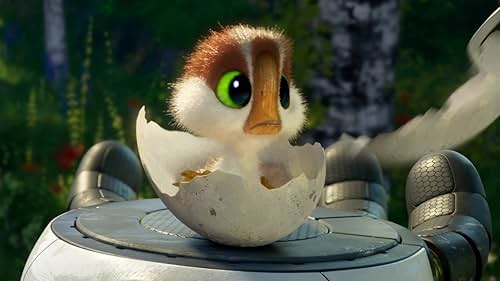
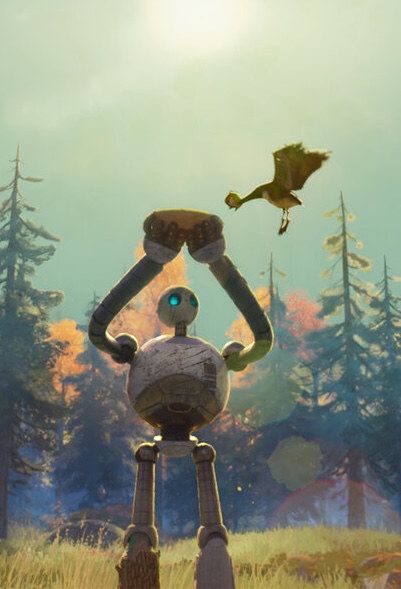
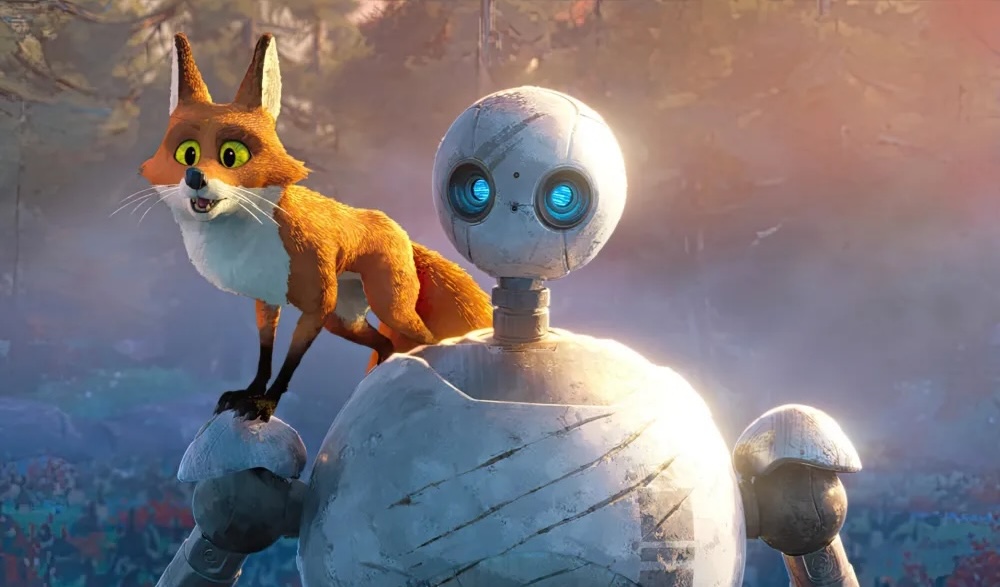
This is the story of Rozzum Unit 7134 (voiced by Lupita Nyong’o), an AI ‘household assistant’ accidentally deposited on a Pacific island and inadvertently switched on by an exploratory rodent looking for food. ‘Roz’ immediately starts wandering the unfamiliar landscape, frantically seeking out suitable tasks to accomplish, but there are no humans to be assisted and the island’s resident wildlife inevitability see the new arrival as something to be feared. Determined to make a success of this unexpected situation, Roz sets out to learn all the different creatures’ languages so that she can adapt to their individual needs.

But things become complicated when she accidentally kills a nesting goose and crushes all but one of its eggs. She manages to save the surviving egg from the attentions of hungry fox, Fink (Pedro Pacal), and when it finally hatches, the chick – who Roz eventually names Brightbill (Kit Connor) – imprints on Roz, perceiving the robot as his mother. Roz now has some clearly designated tasks to accomplish. Brightbill needs to learn to eat, swim and then fly before he and the rest of the local goose population set out on their yearly migration. Assisted by Fink and a knowledgable possum(Catherine O’ Hara), Roz has to make some serious adjustments to her usual mode of practice…

As I said, The Wild Robot, based upon Peter Brown’s novel, is an impressive piece of animation, sometimes breathtaking in its depictions of the island’s landscape and its various inhabitants. Huge flocks of birds and butterflies are rendered in such detail that it sometimes feels like I’m watching a heightened David Attenborough documentary. Writer/director Chris Sanders also makes some canny observations about the nature of AI and its capacity for adaptation.

A shame then that in the final third, the script increasingly feels the need to have some of the characters making cringe-making fridge-magnet-style observations about the nature of love and understanding – Bill Nighy’s migration leader is a particular case in point. Those elements are already being shown in ways that even the youngest of audiences can comprehend, so such mawkish pronouncements feel like a mis-step. Also, the cynical part of my brain makes me wonder how, in the loving multi-species community that eventually evolves on the island, the carnivores will ever manage to survive.

But perhaps that’s just me.

Quibbles aside, this is a beautiful and genuinely moving film that explores some fascinating ideas. If it does prove to be Dreamworks’… ahem… swan song, then it’s an impressive note to end on.

4 stars

Philip Caveney
A Streetcar Named Desire

26/10/24

Lyceum Theatre, Edinburgh

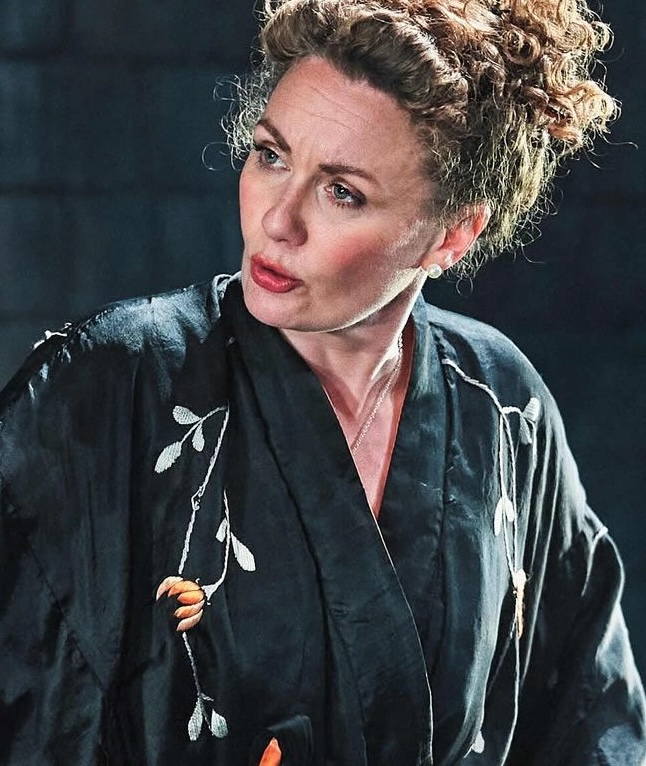
It’s sometimes hard to believe that Tennessee Williams’ A Street Car Named Desire was first performed in 1947. This powerful mixture of one man’s toxic masculinity overpowering a woman’s fragile mental condition feels somehow utterly contemporary in its telling, and this perfectly-pitched adaptation by Pitlochry Festival Theatre is compelling in every scene.

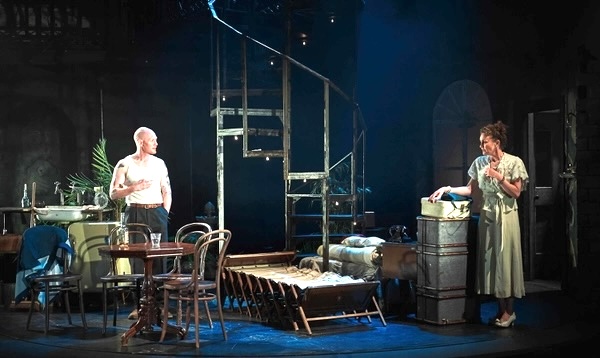
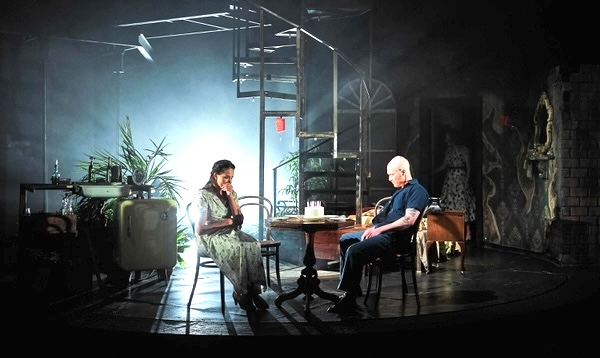
Stella (Nalini Chetty) and Stanley Kowalski (Matthew Trevannion) live in a cramped, two-room apartment in the French Quarter of New Orleans. Stella is pregnant and she’s understandably taken aback when her older sister, high school teacher Blanche DuBois (Kirsty Stuart), arrives unexpectedly, lugging a massive trunk and lacking the necessary funds to pay for a hotel room. Blanche announces that, after the death of their mother, the family plantation, Belle Reve, has been ‘lost to creditors,’ and Blanche has nowhere else to turn.

Stanley is immediately suspicious about Blanche’s rambling explanation for her presence, particularly when he hears about the loss of the DuBois family property, which he has always believed he is owed a share of. When Blanche begins a tentative romance with his card-playing buddy, Mitch (Keith Macpherson), he determines to do a little snooping…

Stuart is superb in the role of Blanche, nailing the woman’s ever-shifting moods with consummate skill, one moment critical and demanding, the next coquettish and playful. Sound designer Pippa Murphy adds to her disturbed moods by overlaying scratchy soundscapes as Blanche is haunted by something terrible that happened in her youth. As the loathsome Stanley, Trevannion has a field day, strutting and bellowing around the cramped environment like a rooster, asserting his dominance over everyone who has the bad fortune to come into pecking distance. Chetty, meanwhile, navigates the turbulent waters between Blanche and Stanley, seemingly unable (and unwilling) to resist her husband’s rapacious demands. No matter how many times he attacks her, she always goes back for more.

Designer Emily James has chosen to situate the Kowalski apartment on a huge turntable and this is a masterstroke. As it rumbles around, presenting different views of both the interior and exterior of the apartment, it increasingly resembles a deranged carousel with the players caught in its unhealthy embrace, unable to get off the ride until it arrives at its ghastly destination. Director Elizabeth Newman eschews the victim-blaming that so often blights interpretations of this play and turns up the heat on the sweaty, malevolent scenario, so that the play’s final half makes intense, disturbing viewing. Those who are triggered by scenes of sexual violence should be warned that there are some challenging moments here, but for me, it’s like passing a car wreck on the motorway – I cannot tear my gaze away.

If you’re thinking, ‘Well, I’ve seen this play before,’ perhaps you should think again. This is a mesmerising slice of theatre, that feels as important now as it ever did.

5 stars

Philip Caveney

Arán & Im

25/10/24

Traverse Theatre, Edinburgh

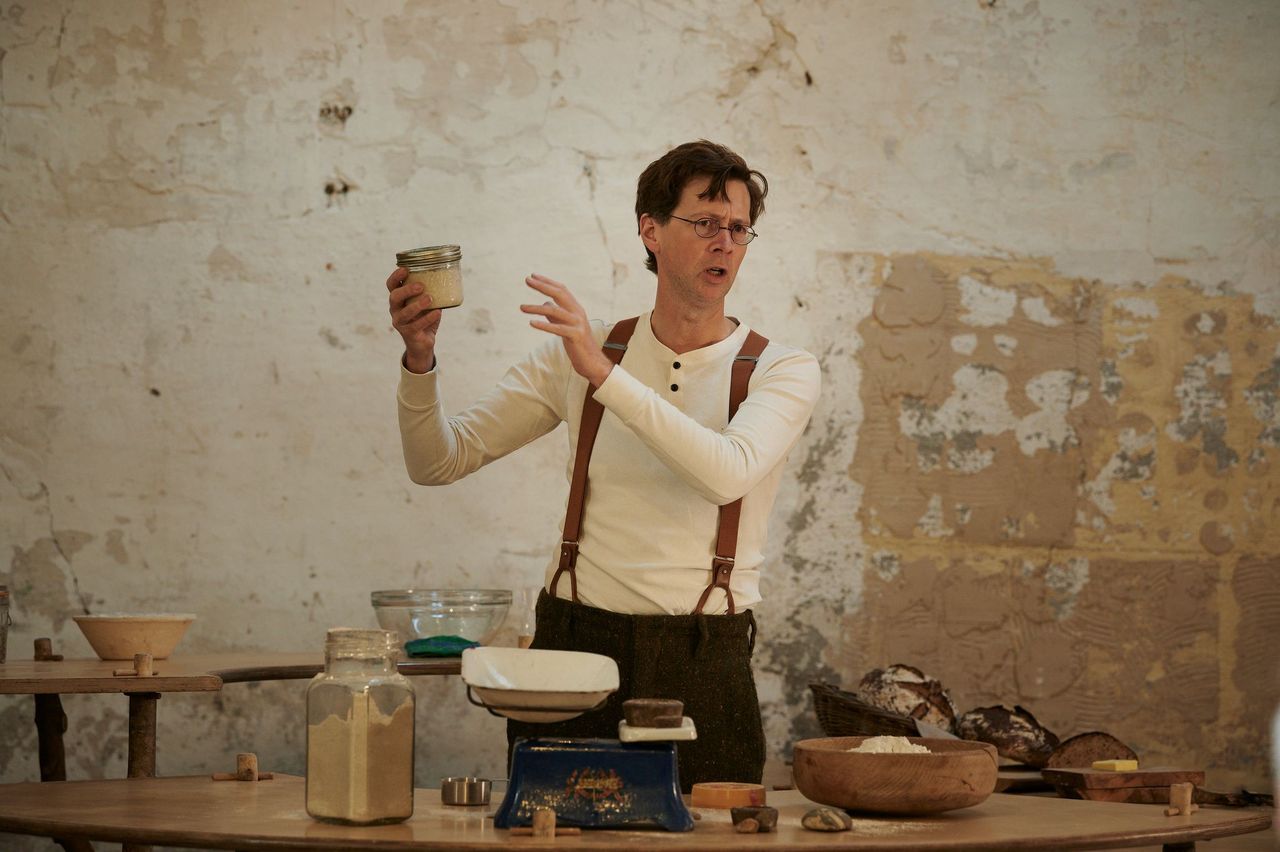
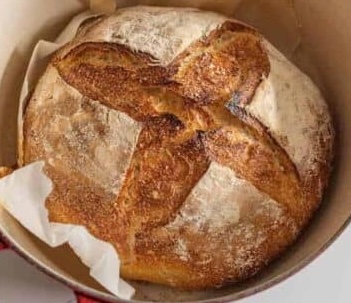
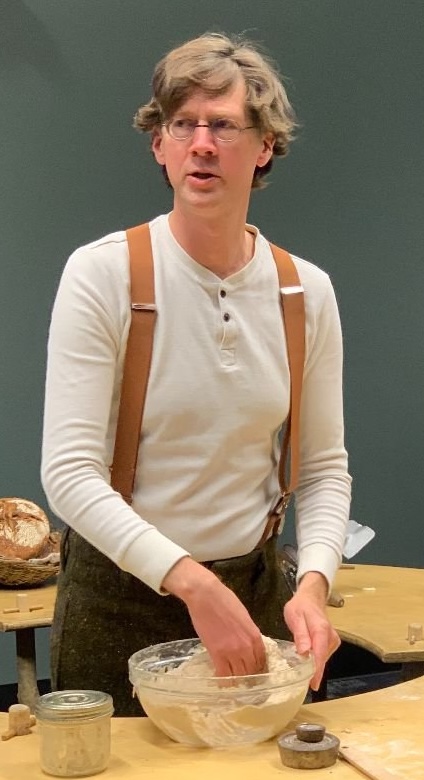
Although the so-called Sapir-Whorf hypothesis – a theory of linguistic relativity, suggesting that the language a person speaks influences how they think about reality – is somewhat out of fashion these days, writer-performer Manchán Magan mounts a convincing argument in its favour. Arán & Im is Irish for bread and butter and it’s the perfect name for this gentle hybrid of a show/lecture. The titular items baked, churned and eaten during the seventy-five minute running time symbolise the words we use: they’re essential, elemental; the basic “bread and butter” of our lives.

About half of the show is in Irish, but you don’t need any prior knowledge of the language to follow what’s happening. Magan is an experienced guide, switching between Irish and English, explaining the myriad meanings behind key words and expressions. He’s clearly fascinated by the way language connects us to our histories and our lands, our mythologies and beliefs. He asks questions of the Scottish Gaelic speakers in the audience (including a whole row of enthusiastic high school students) and delights in the similarities and patterns he observes.

There’s a lot here about not losing sight of our roots, about maintaining our understanding of the fundamental aspects of life – how to make our own bread and butter, if you will. If there’s an issue, it’s that there are so many words. The breaking of bread helps, as does the conversational tone, but there are times when I’d like more visual clues to anchor me: I’d like to be able to read the words being discussed, or to see the constellation maps being described. Admittedly, any obvious tech would be jarring and intrusive: the carefully homespun nature of the piece would come unravelled, so I don’t know what the answer is. But there are moments when I’m overwhelmed by the amount of information and need a different way to absorb it all.

Still, I find the premise fascinating. I grew up in Wales and, although I’m not a Welsh speaker, I’m still steeped in the language. The hymns I know are all in Welsh, because that’s what we sang in primary school. There are certain expressions that always come to me in Welsh before English: dewch i mewn (come in); dwylo i fyny (hands up); ga i fynd i’r toiled os gwelwch yn dda? (can I go to the toilet, please?). This show speaks to me. Language is integral to who we are.

And if nothing else, Arán & Im is surely the most aromatic piece of performance art you’re ever likely to witness.

3.5 stars

Susan Singfield

Smile 2

24/10/24

Cineworld, Edinburgh

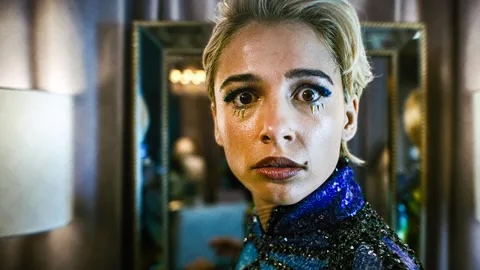
The release of Smile was a genuine cause for celebration – an 18 certificate film that was actually scary and didn’t depend on costly special effects to achieve its goals. I loved the film, concluding my review by hoping that writer/director Parker Finn would resist the urge to turn it into a franchise. Two years later, here’s the unpromisingly titled Smile 2 and it’s time for me to eat a large slice of humble pie, because the sequel is bigger, gnarlier and, it must be said, way more ambitious than its predecessor. It manages to skilfully expand the original theme into a great big metaphor about the perils of stardom, drug addiction and fan worship. It’s better than the original, which let’s face it, hardly ever happens.

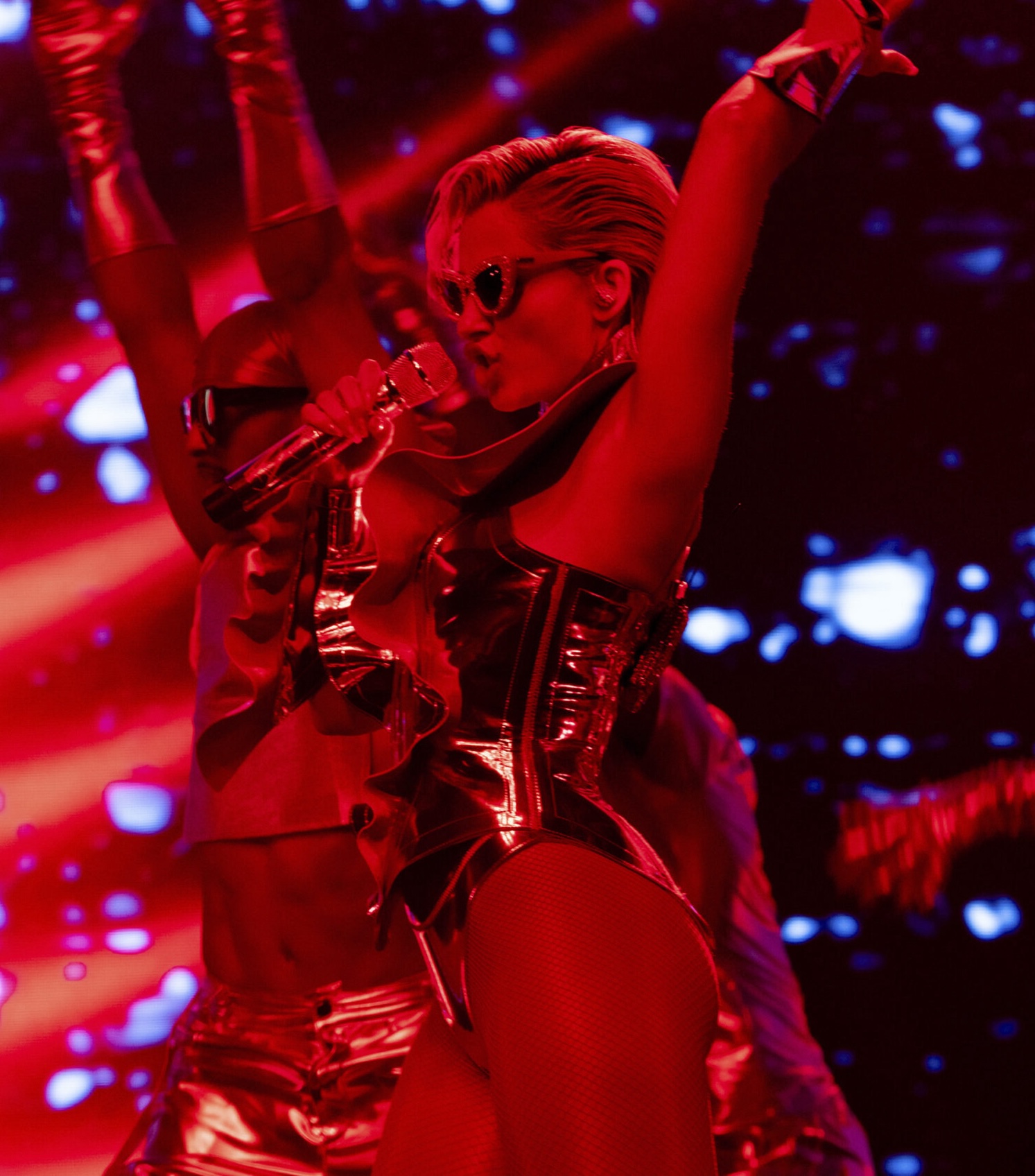
Skye Riley (Naomi Scott) is a celebrated pop diva, looking to relaunch her stalled career after a devastating car crash, which claimed the life of her partner, Paul (Ray Nicholson), and left her badly injured. Her body still carries the scars of the various operations she’s undergone in order to get back in the game but, compelled by her ever-pushy manager (and mother) Elizabeth (Rosemarie DeWitt), Skye is in rehearsal for the big tour that will hopefully propel her back into the charts. So – no pressure there.

When a back injury prompts her to visit her former drug supplier, Lewis (Lukas Gage), in the hope of scoring some prescription pain killers, she encounters a man who is under the grip of the mysterious inner demon that we encountered in the original film. (A pre credits sequence has quickly shown us how he came to be next in line for a helping of horror.) Lewis is grinning happily, even as he beats himself to death with a dumb bell.

Understandably not wanting to be associated with his death, Skye flees the scene but, as she goes gamely on with rehearsals, she’s horribly aware that something is wrong. The world of pop music inevitably has more than its fair share of grinning onlookers but, as the days slip by, there seem to be more and more of them and a mounting air of madness infects everything that Skye does, even when she reconnects with former best friend, Gemma (Dylan Gelula).

What’s more, her time is fast running out…

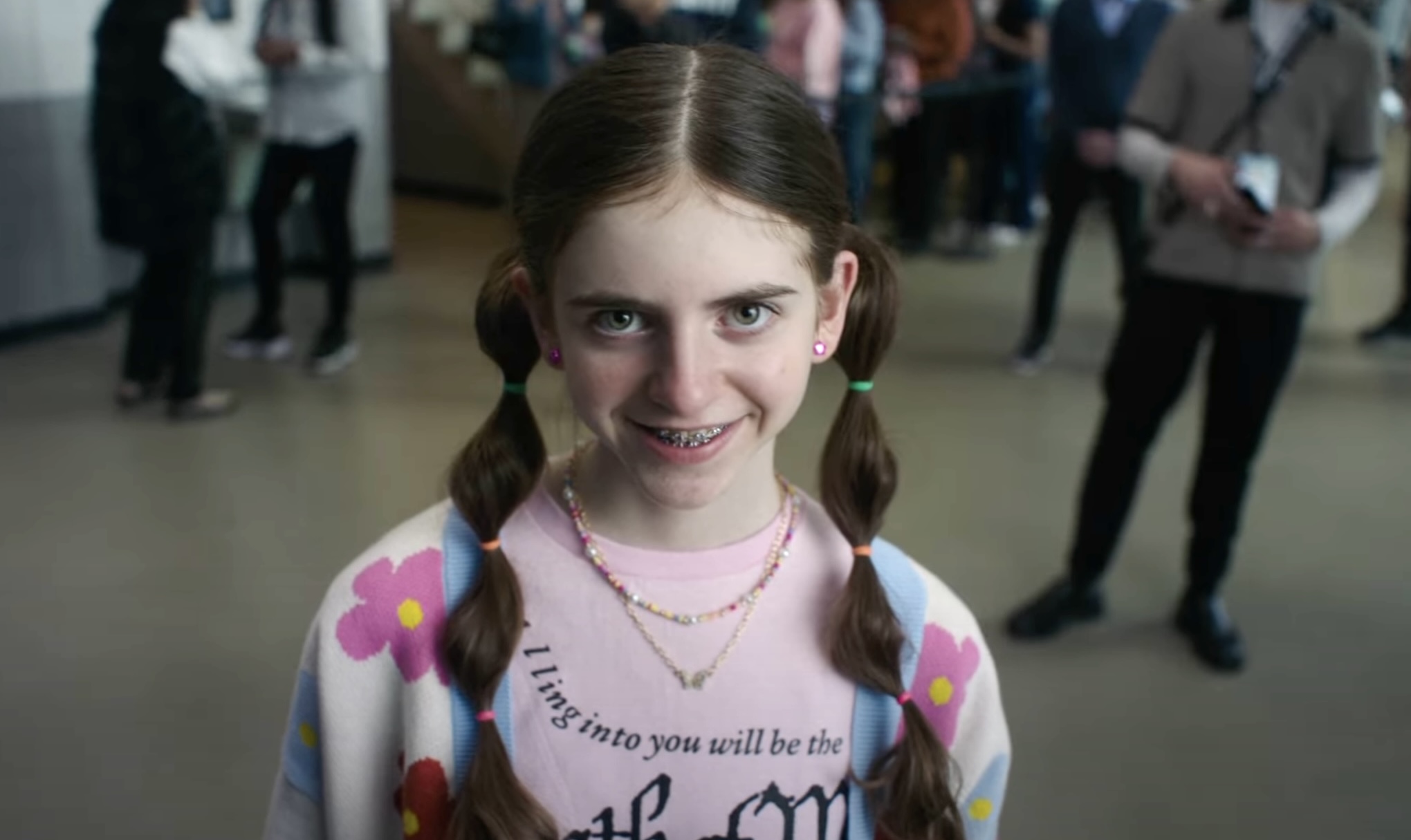
Scott is terrific in the lead role, acting up a storm as Skye moves from anxiety to fear to utter terror – and she also handles the musical elements with assurance, singing Cristobal Tapia de Veer’s compositions with enough authority to convince me that she really could cut it as a pop star if ever she desired such a career. Finn manages to construct a whole series of jump-scares that really do catch me unawares. The pop world gives him the opportunity to throw in plenty of unsettling images: the star-struck young fan with braces on her teeth who can only stare and smile; the malevolent stalker who wants much more than just an autograph – and the gurning dance troop invading Skye’s apartment at one point is an absolute triumph.

There’s also a toe-curling sequence where Skye is invited to be guest presenter for a major children’s charity and… well, let’s just say that things do not run as smoothly as she would like. As the pressure mounts, and poor Skye can’t even look into a mirror without seeing something terrifying, Smile 2 becomes a masterclass in runaway anxiety. What next, I wonder? Smile 3: The Musical?

If anyone can make that work, Parker Finn is clearly the man for the job.

4.8 stars

Philip Caveney
Detained

22/10/24

Traverse Theatre, Edinburgh

In a week when the Home Office has found the time to issue the fictional Paddington Bear with an official passport, it’s sobering to be faced with a stark reminder of the realities of the UK immigration system and the human lives caught up in it.

Playwright Michelle Chantelle Hopewell’s professional debut has a strong premise, exploring the uneven power dynamic between two friends, where a single impulsive moment of spite has a profound and devastating impact.

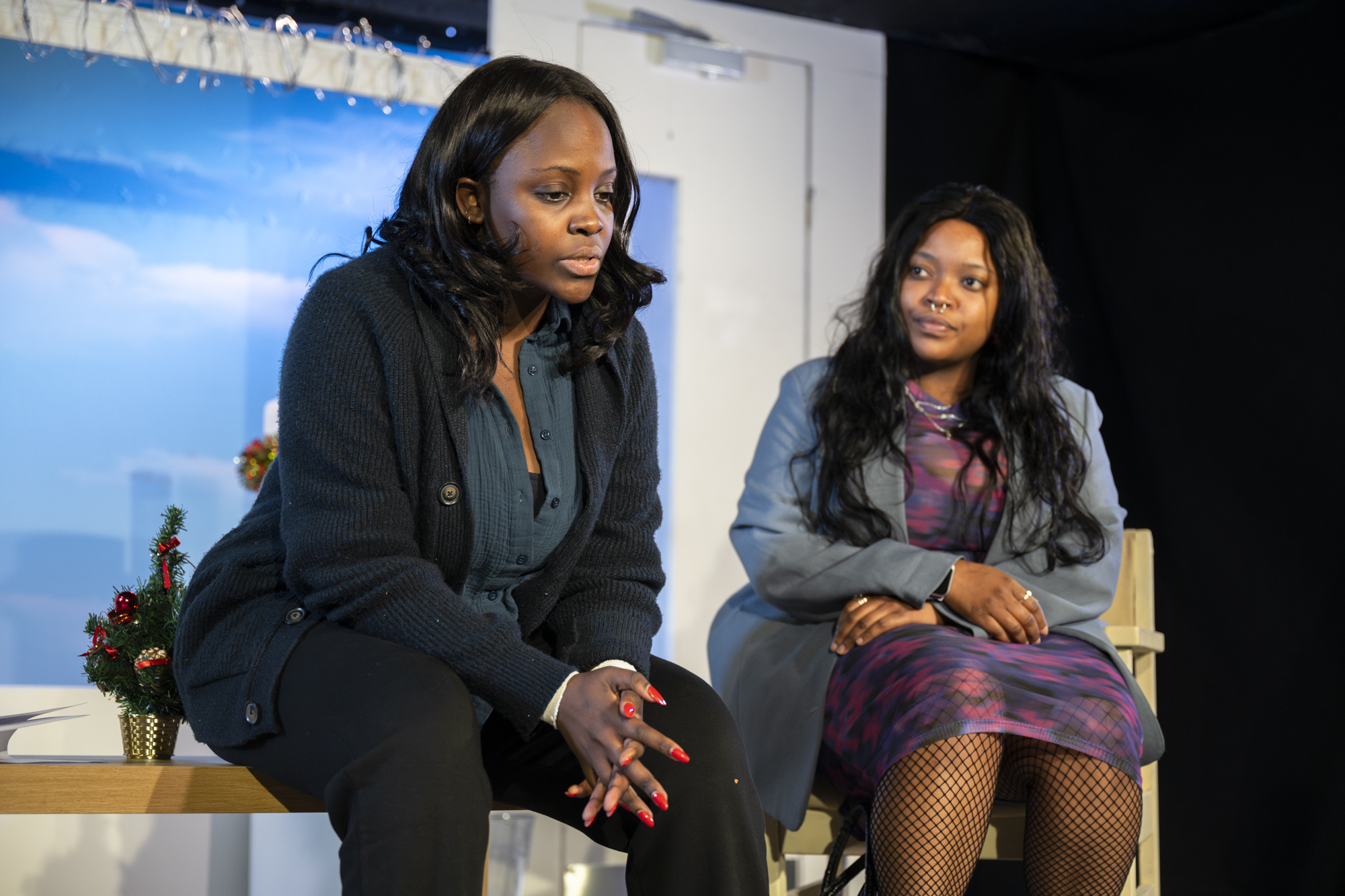
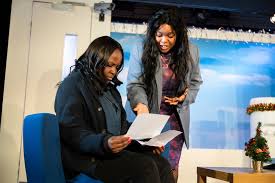
South African asylum seeker Yemi (Titana Muthui) is incarcerated in a detention centre, and she’s appalled to learn that she’s there because of her best friend, Bea (Laura Lovemore). The women work in the same restaurant, and Bea, catching her boyfriend in the arms of another waitress, has called the authorities to report her for being there illegally. She doesn’t know that Yemi’s visa has run out, that her ‘sister’ will get caught in the crossfire.

We’re witness to a series of visits spanning two years, as Yemi languishes in ‘jail’, refusing to open up about her traumatic past, even to the lawyer who might be able to assist her. Through her conversations with Bea, we learn how horribly dehumanising the process is, and how a simple oversight – such as not filling in a form on time – can change a person’s life. Bea is impacted too, learning to live with the guilt of what she’s done, trying – and failing – to compensate by campaigning for Yemi’s release.

Both Muthui and Lovemore are compelling in their roles, with Muthui in particular exuding a desperate dignity. Even though I want to shout at Yemi to tell the lawyer what he needs to know, I can’t help but be impressed by her quiet determination not to be forced to share her nightmares to appease others. Muthui makes this awful choice entirely credible.

Caitlin Skinner’s direction ensures that this wordy drama remains dynamic, and Heather Grace Currie’s simple set design manages to include both the barbed wire holding Yemi back and the blue skies still offering her a glimmer of hope.

Even for A Play, A Pie and A Pint, Detained is short, and doesn’t perhaps make the most of its potential, with a lot of ideas left unexplored. I’m also not convinced by the single section addressed to the audience by Yemi, which feels stylistically (but not tonally) different from the rest. I think for this to work, she would need to be revealing something we haven’t previously seen from her – a greater anger, maybe, or a deeper exploration of her situation.

A piece that asks more questions than it answers, Detained is certainly a play for our times. Let’s hope that fewer pretend bears and more actual people are afforded access to asylum over the coming years.

3 stars

Susan Singfield

The Apprentice

19/10/24

Cineworld, Llandudno

We’re in Wales, visiting Susan’s mum, but Brenda is a bit of an anti-Trump-obsessive and like us, she’s been eagerly awaiting the release of The Apprentice. It’s clearly time to flex the Unlimited card. Abi Abbasi’s biopic couldn’t have come at a more inopportune time for Trump. Of course he’s threatened legal action, though I’m pretty sure that Abbasi’s film doesn’t feature anything that isn’t already common knowledge to those who’ve read some of the numerous books about the man – but what it does, very effectively I think, is to illustrate how the Trump-monster was made and shaped.

Like most beasts, he’s learned his craft through imitation.

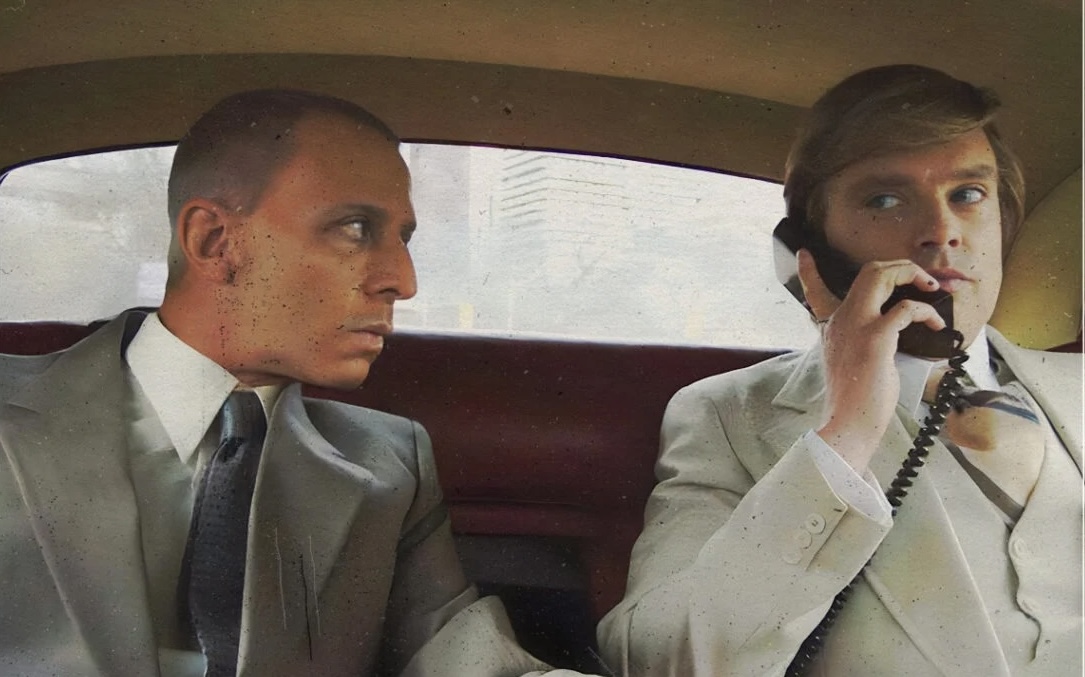
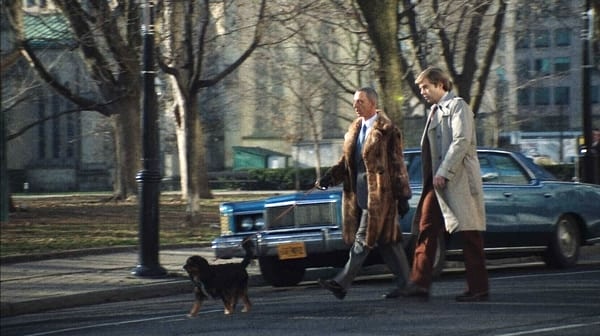
When we first meet Donald (Sebastian Stan) it’s 1973 and he’s essentially a slum landlord in New York City, trying his level best to please his ever-critical father, Fred (Martin Donovan), and deal with his alcoholic older brother Freddy (Charlie Carrick). The family fortune has already been made and the Trumps are currently fighting allegations that they have been discriminating against their African-American tenants – but Donald is looking for ways to better himself and has a vision of turning the long-derelict Gulf and Western building into a gleaming new construction called Trump Tower. But he knows he can’t do it alone.

Then he falls into the company of Roy Cohn (Jeremy Strong), a ruthless lawyer, best known at this point for securing the death penalty for the Rosenbergs, a man who will stop at nothing to get his own way. He takes Donald under his wing and quickly drills into him his personal mantra. Never admit defeat, the truth is what you say it is and always act as though you’ve won, even if you haven’t.

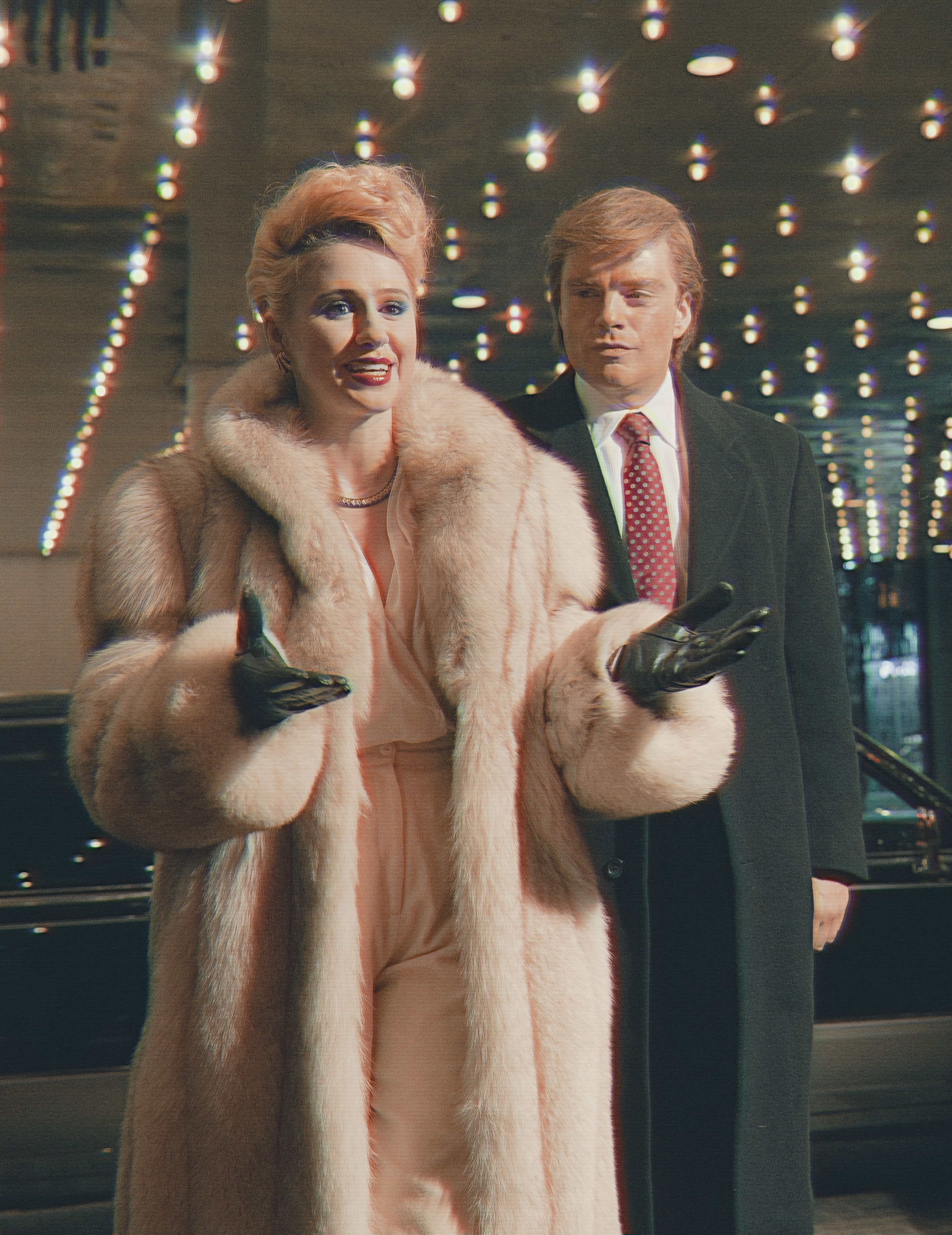
Pretty soon, Trump has become the perfect acolyte, copying all of Cohn’s traits and even doubling down on them. When Donald meets and falls for Ivana Zelničková (Maria Bakalova), there’s a moment where it seems as though the film might be about to let him off the hook. His clumsy attempts to seduce her make him seem almost… relatable – but the feeling is short-lived. The monster soon comes back to the fore and the scene where his affectations turn against his former love is shocking to say the least.

Sebastian Stan does a pretty good job of capturing Trump’s gradual deterioration into the beast we know. Holding back the man’s distinctive hand gestures and vocal affectations until the film’s final furlong, he literally grows into the role. Strong, meanwhile, submits an extraordinarily chilling performance as Cohn: lean, cadaverous, almost alien, he surveys everyone he meets with the same dead-eyed stare. Here is a man who hides his real identity behind a mask, who puts down his enemies with a barrage of verbal abuse, while secretly pursuing a dissolute life with complete abandon. He’s totally toxic and yet, his ultimate treatment by Trump, when he has outlived his use, is all the more shameful because of that toxicity – and it’s hard not to feel some sympathy for him.

Abas meanwhile, captures the look and feel of the changing decades with a skilful combination of found footage and reimagined scenes. His use of music is inspired. Using Yes Sir, I Can Boogie as Ivana’s unofficial theme tune is particularly effective.

Trump can (and surely will) protest that releasing The Apprentice when he is gearing up for the fight to become the US President for a second term is inexcusable – but, as this film so clearly portrays, when it comes to a dirty, underhand fight, this is a man with considerable experience of his own.

4.3 stars

Philip Caveney
Treasure Island

15/10/24

Festival Theatre (Studio), Edinburgh

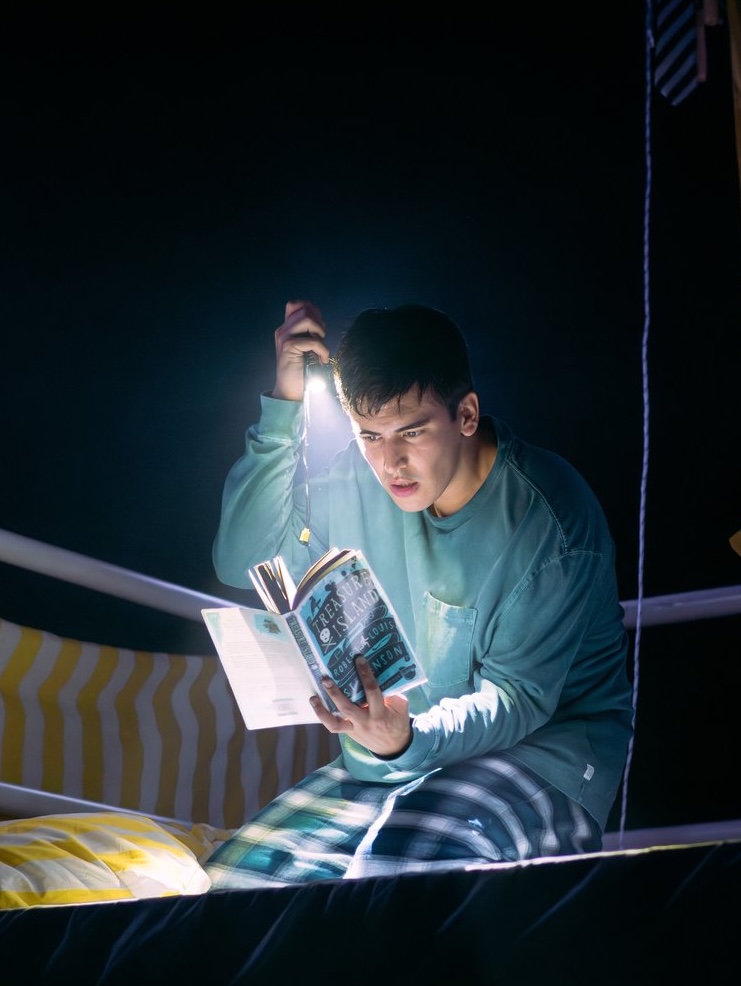
Robbie (Anthony O’Neil) is having some issues at school. He has a good singing voice but, whenever he is required to perform in front of his fellow pupils, he finds himself overcome with anxiety, unable to utter a single word. But Robbie does enjoy reading and, when he picks up a copy of Treasure Island, he finds himself empathising with its young hero, Jim Hawkins – a boy who must conquer all his fears in his quest to find the lost treasure of the mysterious Captain Flint.

Ross Mackay’s sprightly adaptation of Robert Louis Stevenson’s classic tale is sure-footedly aimed at younger audiences and effortlessly displays the ways in which young readers can escape into their own imaginations. O’Neil stays in the central role throughout, while fellow performers Ali Biggs, Megan McGuire and Simon Donaldson slip smoothly in and out of a whole host of other larger-than-life characters. McGuire shines as a Squire Trelawney with an amusing penchant for malapropisms, Biggs makes a dashing Captain Smollet, while Donaldson delivers just the right amount of threat as Long John Silver. Together the threesome also bash out some stirring songs and jaunty sea shanties, lively enough to have the family audience clapping delightedly along with them.

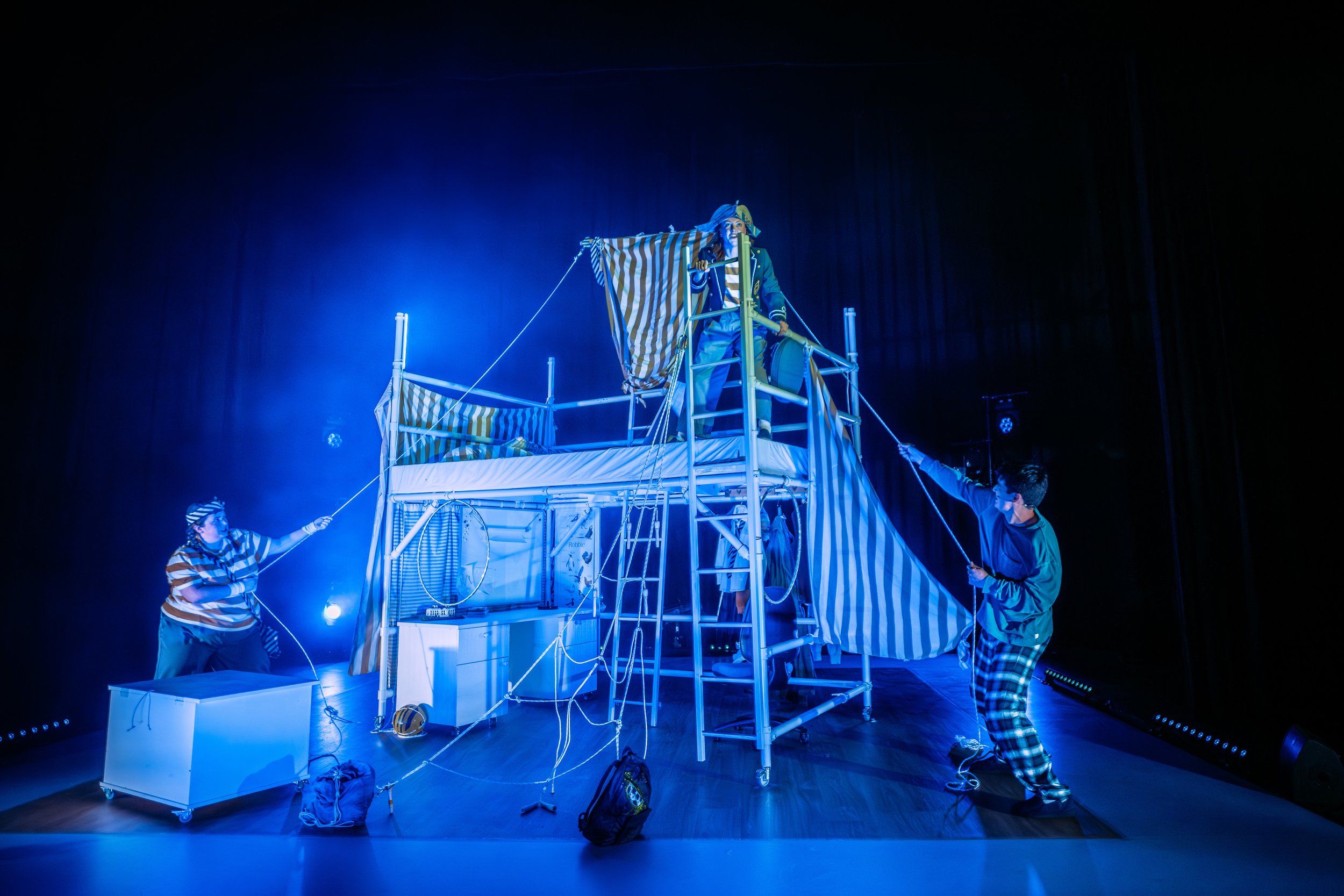
Becky Minto’s deceptively simple set design allows Robbie’s bunk bed to become a whole series of locations and, with Benny Goodman’s lighting, somehow manages to embody The Hispaniola, tossed on the stormy seas of Robbie’s fevered imagination as well as the Admiral Benbow Inn, set alight by a pack of scurvy sea dogs. The complex adventure is deftly packed into a ninety minute running time and there’s enough happening onstage to ensure that the adults in the audience enjoy the action along with the younger crowd.

Parents looking to introduce their children to a spot of theatre have just two more chances to hop aboard for afternoon shows at the Lemon Tree, Aberdeen and Platform, Easterhouse.

4.2 stars

Philip Caveney

Lost Girls/ At Bus Stops

15/10/24

Traverse Theatre, Edinburgh

Lost Girls/At Bus Stops is my favourite so far in this PPP season: I love the marriage of Róisín Sheridan-Bryson’s fragmented, non-linear writing with Laila Noble’s kinetic direction. 

At its heart there’s a simple will-they/won’t they love story. Ever since Jess (Catriona Faint) approached Iona (Leyla Aycan) at a bus stop with a flyer for a Fringe show several years ago, the two have been friends, meeting up every August to make the most of the Festival buzz, weaving their way from show to bar to show again, navigating the crowds, the hills, the closes, the booze. On the surface, theirs is an easy alliance, born of a shared hedonism and an openness about who they are. Underneath, they’re a mess of repressed longing, each too nervous to risk their precious friendship by declaring how they really feel. And this time, with Iona about to leave for pastures new, there’s an added pressure. If neither of them makes a move, it’ll be too late.

Sheridan-Bryson’s script skips nimbly between dialogue and narration, the protagonists referring to themselves in both third and first person, almost mythologising the city, their accounts of various Edinburgh nights colliding as they disagree about details and bring different moments to the fore. The disrupted timeline mirrors a real-life conversation, almost stream-of-consciousness in its construction, bouncing back and forth through their shared memories.

The two actors portray the contrasting characters with aplomb, Aycan’s gentle stillness a perfect foil for Faint’s more manic, agitated demeanour. As Jess reacts to the pressure by downing drink after drink, snogging random men and trying to start fights, Iona – while matching her on the booze front – is altogether calmer, trying time and again to make Jess stop and talk, to say the things they need to say. Their emotions are palpable and it’s impossible not to feel engaged, not to sit silently urging them to take the plunge. 

Zephyr Liddell’s set is simple but effective, the grimy bus stop and disco lights echoing the superficial glamour of a sequin-clad performer in an archetypal dingy Fringe venue. 

Sheridan-Bryson pulls off the difficult task of creating a play that is at once meta-theatrical and down-to-earth, complex in structure but easy to follow. It’s an impressive piece of work. 

4.6 stars

Susan Singfield

Timestalker

13/10/24

The Cameo, Edinburgh

The release of a new Alice Lowe film is a cause for celebration. Actor/writer/director – and as far as I know, she might do the catering as well – Lowe is adept at ensuring that a modest budget goes a long, long way. Her debut feature, Prevenge, was released way back in 2017, shot while she was pregnant (of course it was), so Timestalker has been many years in ahem… gestation. It’s probably best described as a fantasy set across hundreds of years, and the central theme is the general futility of pursuing the heart’s desire.

We first meet Agnes (Lowe) in the 1600s in Scotland, where she’s a lonely spinster, much gossiped about by her neighbours, who pays the occasional visit to a masked preacher, a man given to talking about the dawning of a new religion. When said preacher is arrested and brought to a public place for torture and execution (they made their own entertainment those days), his mask is removed, revealing the handsome face of actor Aneurin Barnard. Agnes is instantly and irrevocably smitten. Attempting to approach him, she trips and falls face first onto the executioner’s axe, which is the bloody end of her.

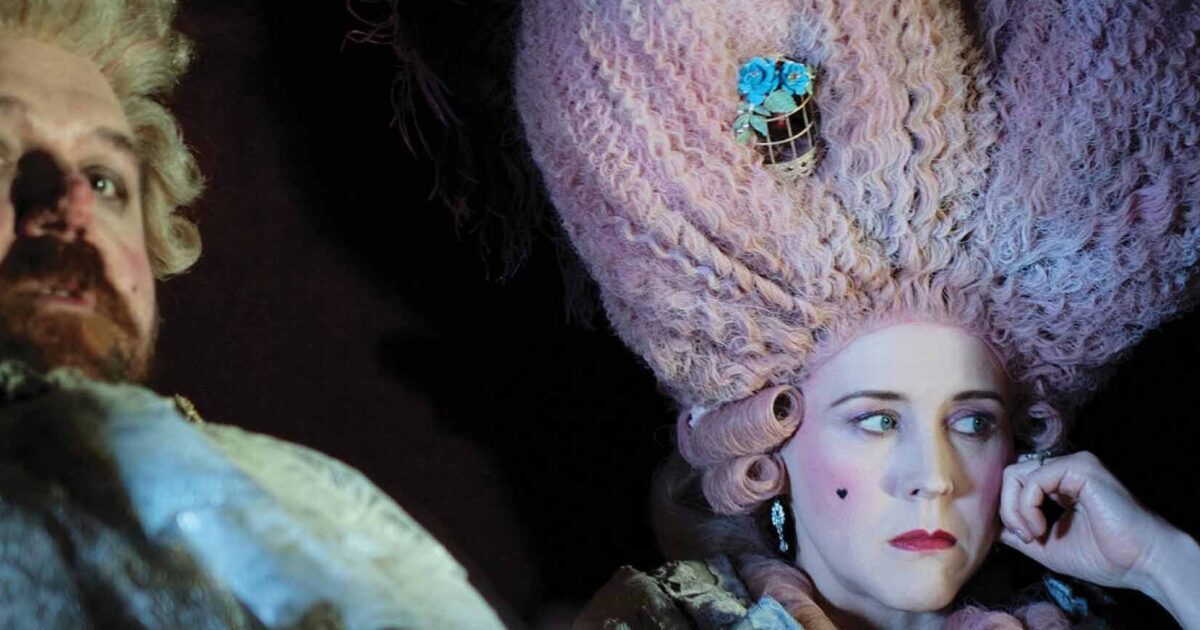
Except that it’s not. She’s promptly reborn in the 1790s, rich but bored, with a toxic husband played by Nick Frost. This Agnes has a penchant for wearing some truly monumental wigs but she’s missing something in her life. When she spies the visage of a handsome highwayman – Barnard again – her passion is reignited and she is, once more, in pursuit of love. But of course it’s doomed to end badly. With each transformation, her luck fails to improve and an added problem is that every new persona harbours memories of the one before… and where exactly does Cleopatra fit into all this?

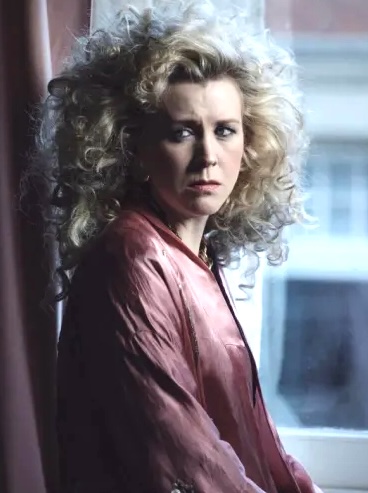
Lowe’s sparky script is laced with deadpan humour, and cinematographer Ryan Eddleston has a lot of fun aping the look of celebrated films. If the opening sequence is Witchfinder General, then the 80s New Romantic section has the muted, pastel tones of Adrian Lyne’s Flashdance – and Lowe has the perm to back it up. Sadly, the budget doesn’t quite stretch to making the Manhattan locations look entirely convincing.

Tanya Reynolds does a good job of embodying the various iterations of Agnes’s perennial sidekick, Meg, and Jacob Anderson is quietly impressive as different versions of a character simply known as Scipio. Frost continues to be suitably malevolent in every loathsome bloke he portrays.

While it might sound faintly bewildering on the page, the myriad twists and turns of the plot are confidently handled and there are some cleverly placed visual clues – a huge heart hidden in a forest, a brightly plumaged songbird in a cage – to keep reminding us of what’s gone before.

As ever with Lowe’s work, the spirit of pure invention is kept proudly to the fore and I find myself wondering what this formidable film maker could achieve given a hundred-million-dollar budget. Until that unlikely event actually happens, why not seek out your nearest independent cinema and sample the delights of her latest gem? It’s well worth your time and money.

4 stars

Philip Caveney